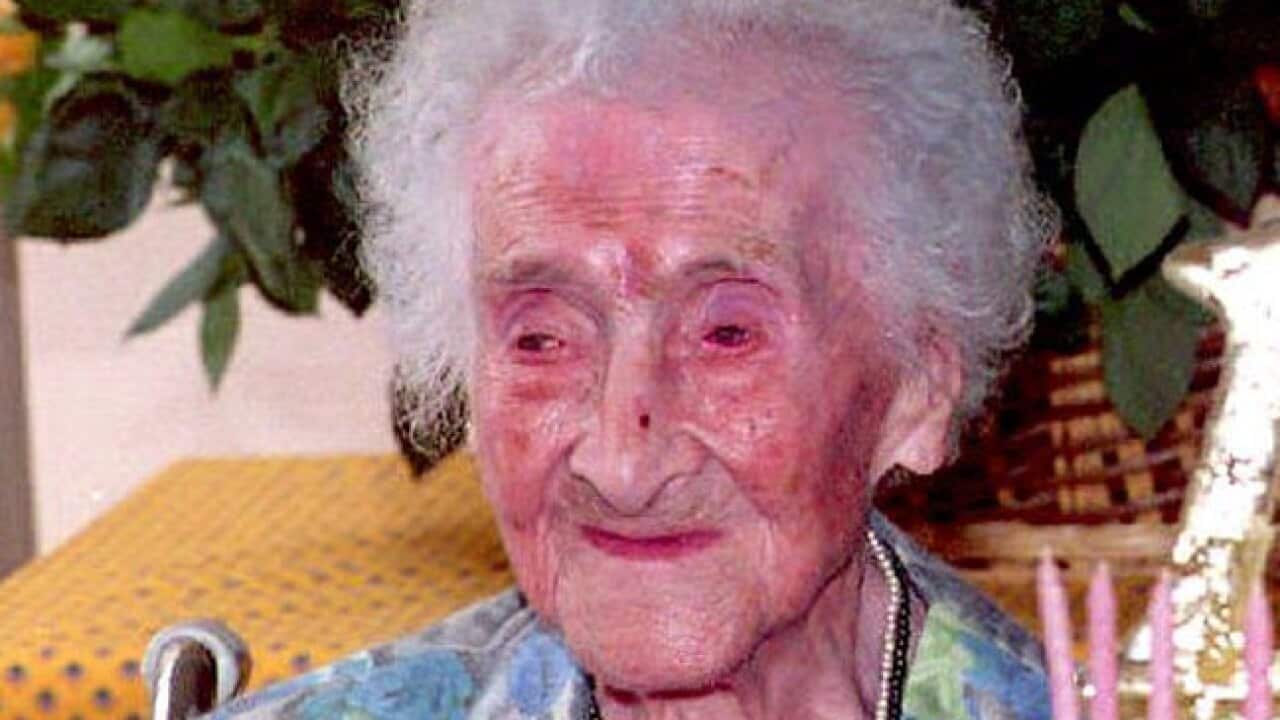
Israeli researchers studied a population of Ashkenazi Jews who have lived to age 95 and older and found that their eating and lifestyle habits were no better than those of the general population.
In fact, men in the long-lived group drank slightly more and exercised less than their average counterparts, said the findings in the online edition of Journal of the American Geriatrics Society.
"This study suggests that centenarians may possess additional longevity genes that help to buffer them against the harmful effects of an unhealthy lifestyle," said senior author Nir Barzilai, director of the Institute for Aging Research at Yeshiva University's Albert Einstein College of Medicine.
News that makes sense
Your trusted source for staying up-to-date with the world around you. Get free daily news updates and analysis, straight to your inbox.
The study involved 477 Ashkenazi Jews aged 95-122 who were living independently. A total of 75 percent were women. All were enrolled in an ongoing study that aims to uncover the secrets to longevity.
Ashkenazi Jews were chosen because they are more "genetically uniform than other populations, making it easier to spot gene differences that are present," said the study.
Overall, the elder group had similar habits in terms of height-weight ratio, smoking, exercise level and diet as similarly matched people in the general population.
Data on comparison subjects came from 3,164 people who had been born around the same time as the centenarians and were examined between 1971 and 1975 while participating in the National Health and Nutrition Examination Survey.
Twenty-four percent of long-living men drank alcohol daily, compared to 22 percent of the general population, while 43 percent of the older group exercised regularly compared to 57 percent of regular men.
While people in both groups were just as likely to be overweight, the longer-living group was less likely to reach higher levels of obesity. But researchers cautioned that the older set's secrets are not a good fit for most.
"Although this study demonstrates that centenarians can be obese, smoke and avoid exercise, those lifestyle habits are not good choices for most of us who do not have a family history of longevity," said Barzilai.
"We should watch our weight, avoid smoking and be sure to exercise, since these activities have been shown to have great health benefits for the general population, including a longer lifespan."







