
This audio is voiced by AI and may occasionally mispronounce words.
Share your feedback and help us improve this feature. Read more about how we use AI at SBS here.
This article contains references to domestic and partner violence.
Natalie Hancock was told her entire life that the most important thing a young woman could do was get married.
She grew up in Sydney's Hills District, immersed in her local Pentecostal church, where, by her late teens, her biggest romantic prospect was a boy from church who told her that God had chosen him as an "ordained messenger" and came bearing a message for her: that she should marry him.
She didn't.
But at 19 — while expanding her world at a working holiday program in the UK she soon discovered was something of a scam — Natalie met the man who would become her husband within a year.
News that makes sense
Your trusted source for staying up-to-date with the world around you. Get free daily news updates and analysis, straight to your inbox.
They met while working at a pub together: He was the chef and 10 years her senior. Natalie recalls he'd recently arrived from Hungary and barely spoke a word of English, but she was smitten.
"He was charming and absolutely obsessed with me," she tells SBS News.
"Having grown up firmly rooted in the church, my experience with men — and relationships in general — was pretty stunted."
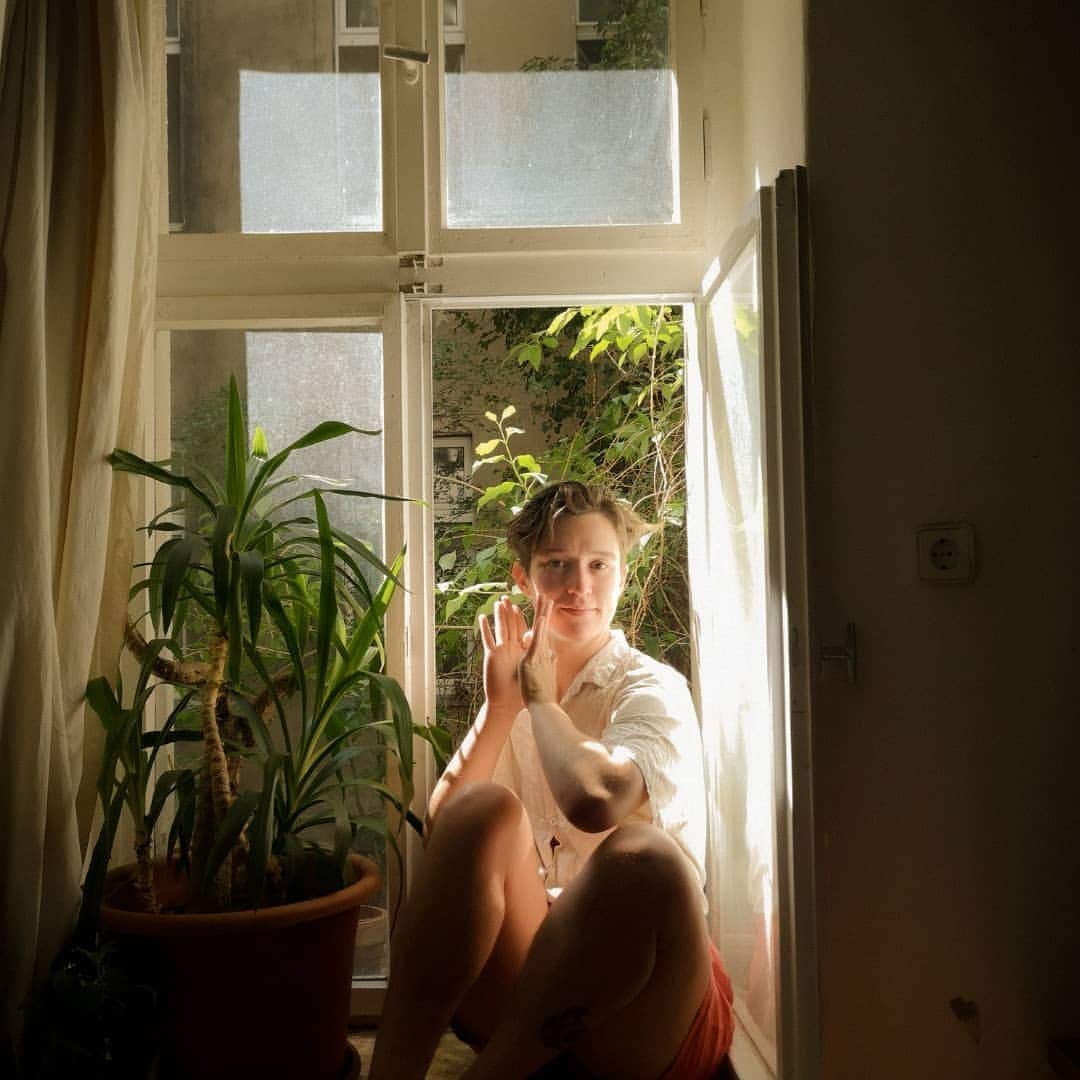
When her visa was a few months from expiring, he asked her to marry him.
"I was thrilled — not because I knew it was a good, or even safe, decision; but because I had grown up in a world where getting married was one of, if not the most important thing you could do as a young woman," she says.
They married just days after her 20th birthday, in January 2013.
It didn't last.
Less than a year later, the pair separated, joining the tens of thousands of young Australians who divorce each year.
Meet Australia's young divorcees
The latest annual figures from the Australian Bureau of Statistics (ABS) show more married couples divorced in 2025 than the year before: 49,148 divorces were granted — an increase of 4.1 per cent — pushing the national divorce rate to 2.2 per 1,000 people, up from 2.1 in 2024.
The median age at divorce has stayed relatively steady in recent years and sits at 47.3 for men and 44.4 for women.
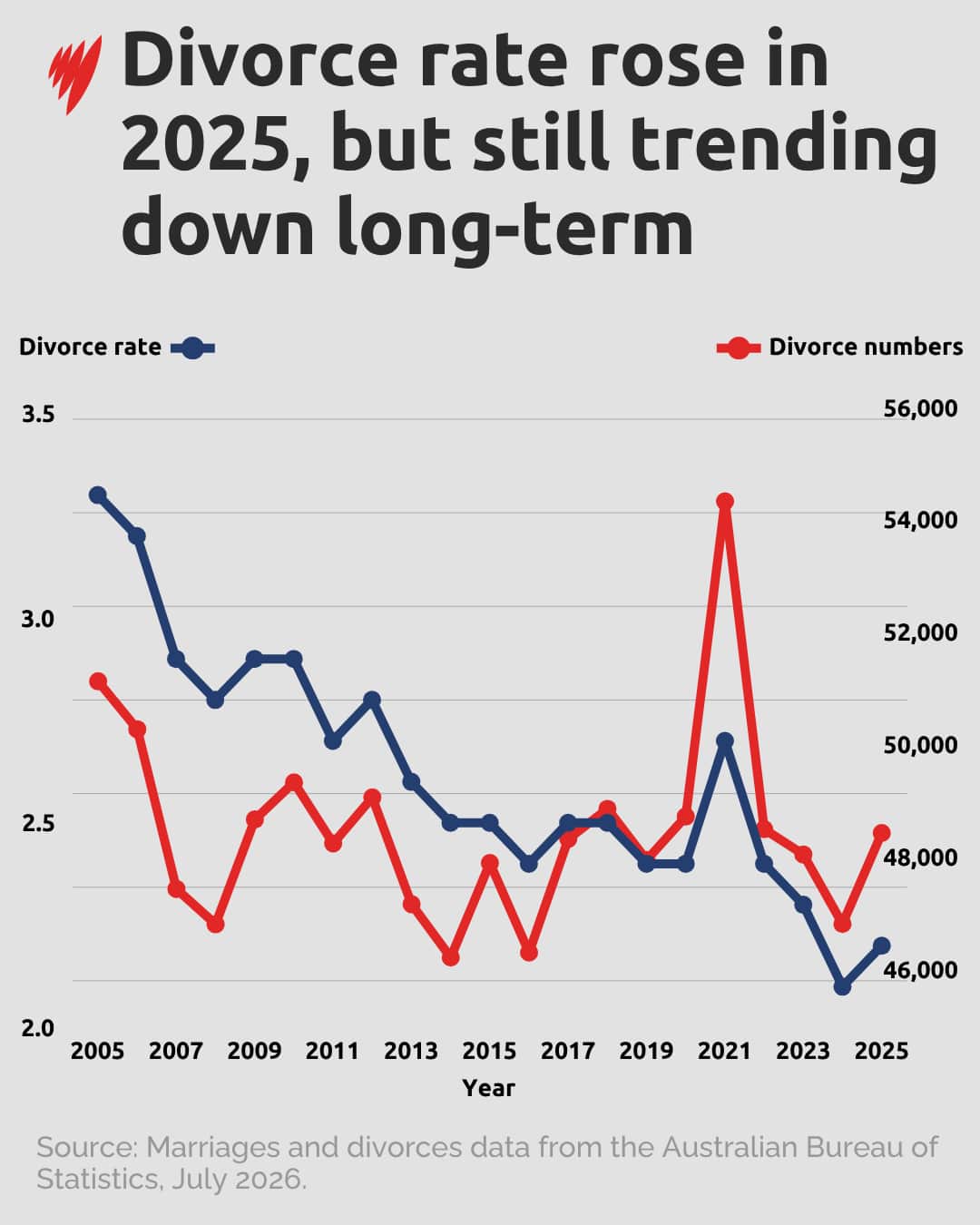
But dig a little deeper into the data and you'll find a small, easy-to-miss subset: the people who married and divorced young.
In 2025, 775 women aged 16-19 and 11,868 women aged 20-24 got married, compared with 296 and 7,789 men in the same age brackets.
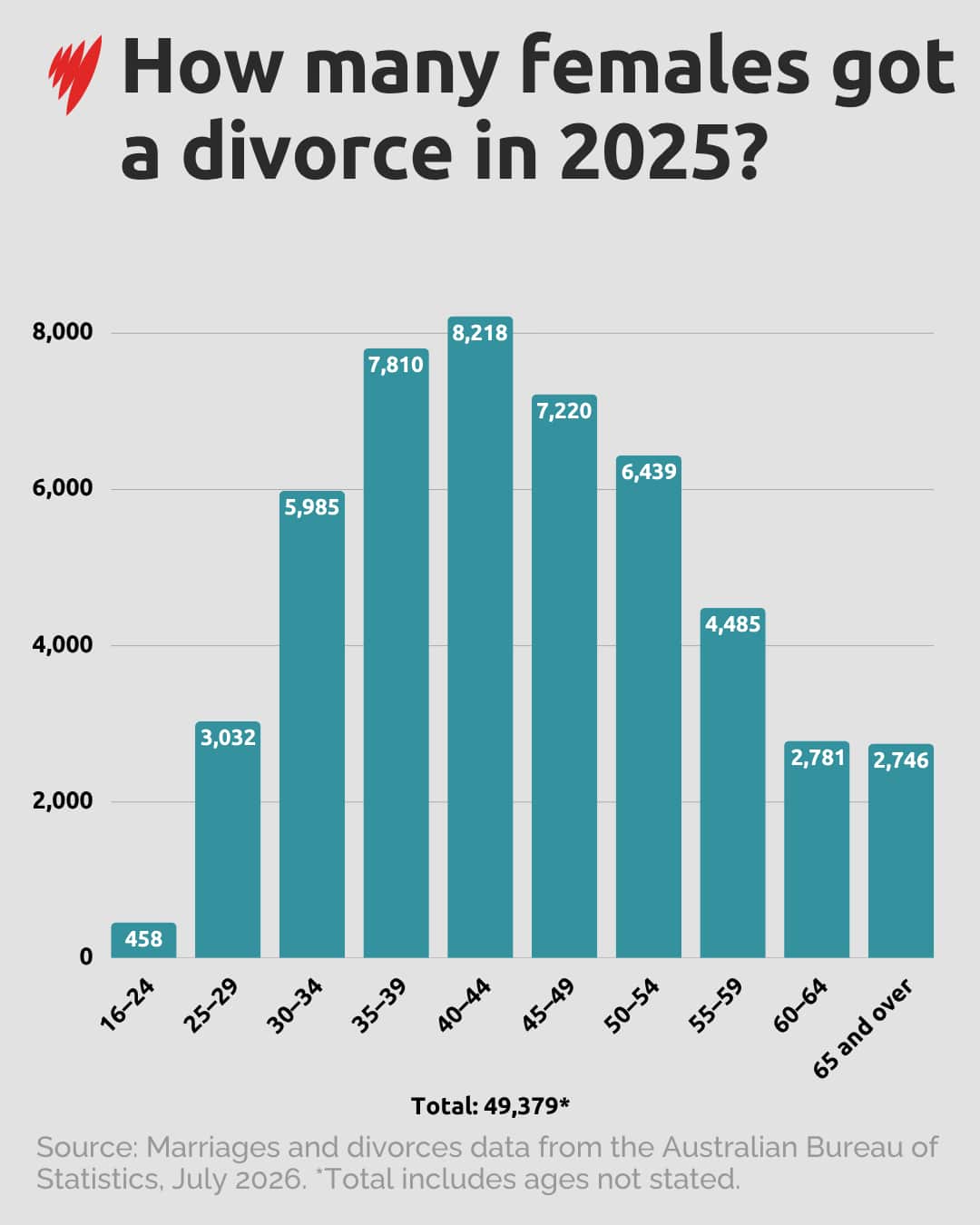
That same year, 458 women aged 16-24 got divorced — an equivalent divorce rate of 0.3 per 1,000 people. Only 170 men in the same age bracket divorced, at a rate of 0.1 per 1,000 people.
It's a narrow slice of the population, but many within it have similar stories to share.
Brenda, whose name has been changed for privacy reasons, was pressured by her family to marry young at the age of 23. Looking back, the now 35-year-old says this stemmed largely from her mixed Lebanese and Greek Catholic background.
"There was an underlying pressure in terms of family, culture, religion and timing. I come from a mixed cultural background and it was very much the rhetoric I heard growing up," she tells SBS News.
"It was good that I had an education, but afterwards, it was about getting married, starting your own household, and having children."
I don't think I had enough confidence in myself and the fact that I was a grown adult who should be able to make grown adult decisions.
Divorce lawyer Cassandra Kalpaxis says most of the young clients she sees — generally aged 25 to 35 — followed a similar path into marriage. Pressure shaped by cultural background, parental expectation and religious belief is often what drives them to marry their first serious partner with little sense of what marriage will require of them.
"For many, they had been taught that marriage had to look a certain way, regardless of whether the relationship was healthy," Kalpaxis tells SBS News.
The pressure to stay together
Natalie recalls that her marriage in the UK quickly turned violent.
"After we got married, I saw a shift in his behaviour almost instantly," she says.
"He drank more, became more jealous, more controlling, and more violent. I was now his property."
Until then, she had never considered leaving as an option — she had made a promise to God.
I felt like I had been charged with a duty to be a good wife, no matter what.
"I truly believed at the time that separation was not an option," she says. "I was so ashamed to even entertain the thought."
Sarah's marriage followed an almost identical shape.
Growing up in regional Victoria, she married her first love at 21 — a chef 10 years older than her whom, like Hancock, she met at her pub job.
"It was pretty normal, being from a country town where people get married younger," Sarah tells SBS News.
But her marriage quickly turned violent. SBS News has changed her name for privacy reasons.
"It all culminated in a giant fight where he physically threatened me — I ran out of the house, was with friends and then wouldn't see him alone after that."
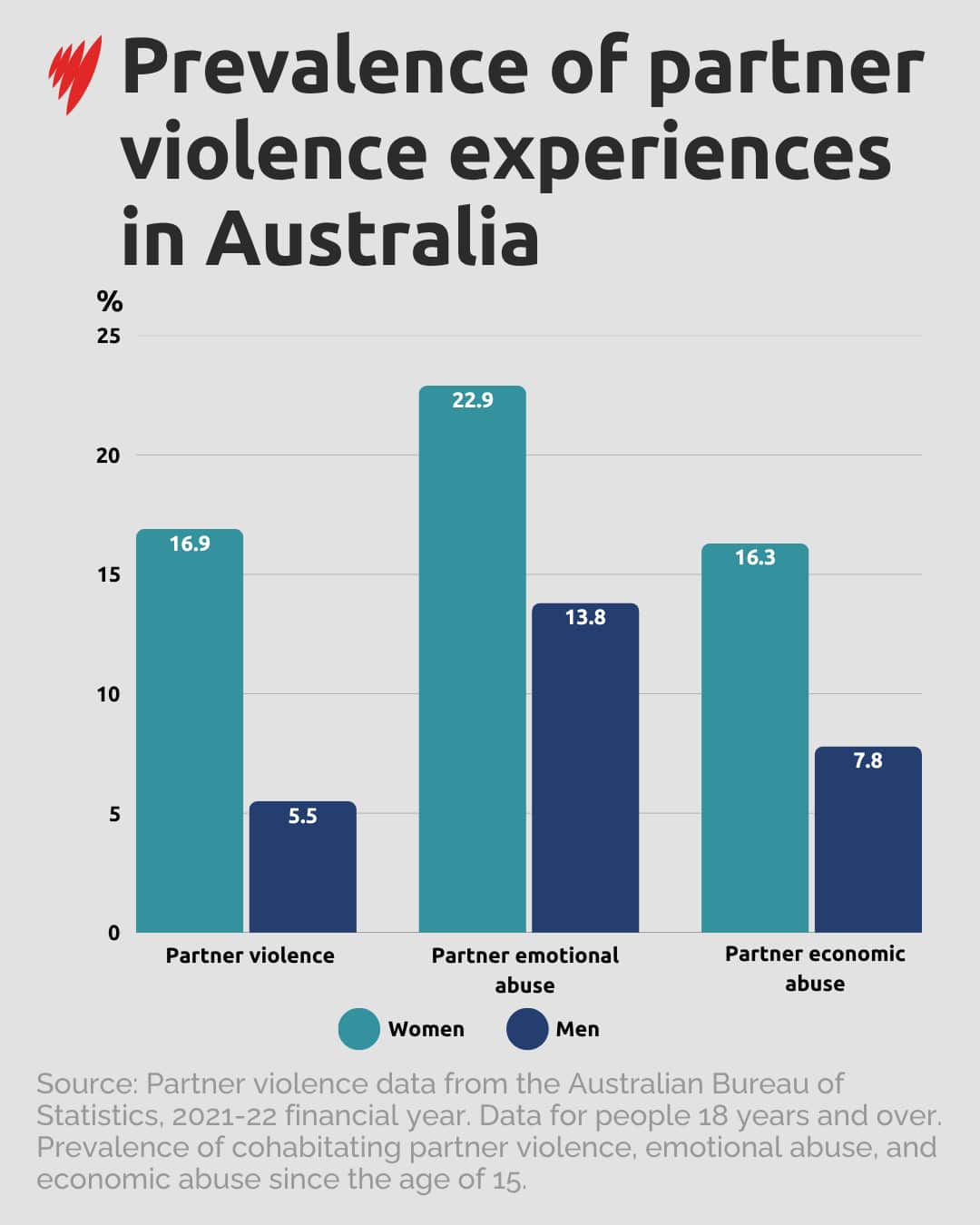
It's a dark pattern plaguing many of Australia's young marriages.
Kalpaxis says young people are particularly vulnerable to entering abusive relationships, with many not believing they're able to leave.
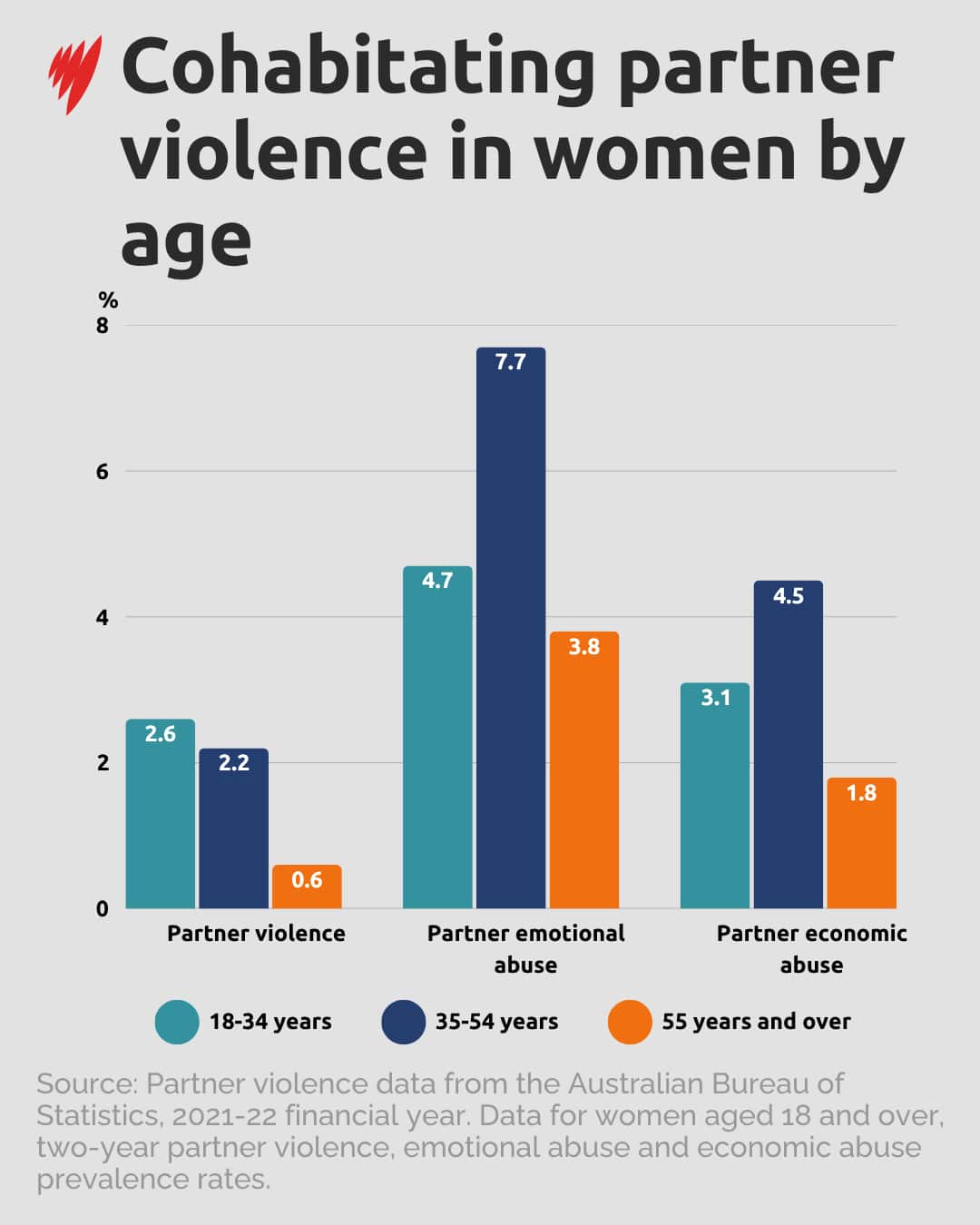
One in four women have experienced physical or sexual violence from an intimate partner since the age of 15, according to ABS data from 2023. Comparatively, one in 14 men have experienced the same.
The 2021 Australian Child Maltreatment Study found significantly higher proportions of intimate partner violence were reported among participants aged 16-24 (48 per cent) and 25-44 (51 per cent) compared with those aged 45 years or older (40 per cent).
Sexual violence was also much more likely among study participants aged 16-24.
For those with additional cultural pressures, those risk factors can be even higher, Kalpaxis says.
"There is often significant pressure from people within their communities, reinforcing expectations about what marriage should look like and the belief that you don't leave a marriage, regardless of what's happening behind closed doors," she says.
Those not represented in the data
But some of the women most affected by this may not appear in the data at all.
Studies have shown that those from culturally and linguistically diverse (CALD) backgrounds may have an increased risk of family, domestic and sexual violence due to factors like language barriers, visa status and a lack of community support and networks.
The Victorian government's Royal Commission into Family Violence — Australia's first, in 2015 — identified CALD communities as a priority group, highlighting that family violence in CALD communities was likely underreported, with no reliable data that paints a clear picture of the problem due to barriers to access, communication and social participation.
The royal commission also found unique risks facing CALD communities, including social isolation, forced marriage, financial and spiritual abuse, multi-perpetrator violence, and immigration-related abuse, among others.
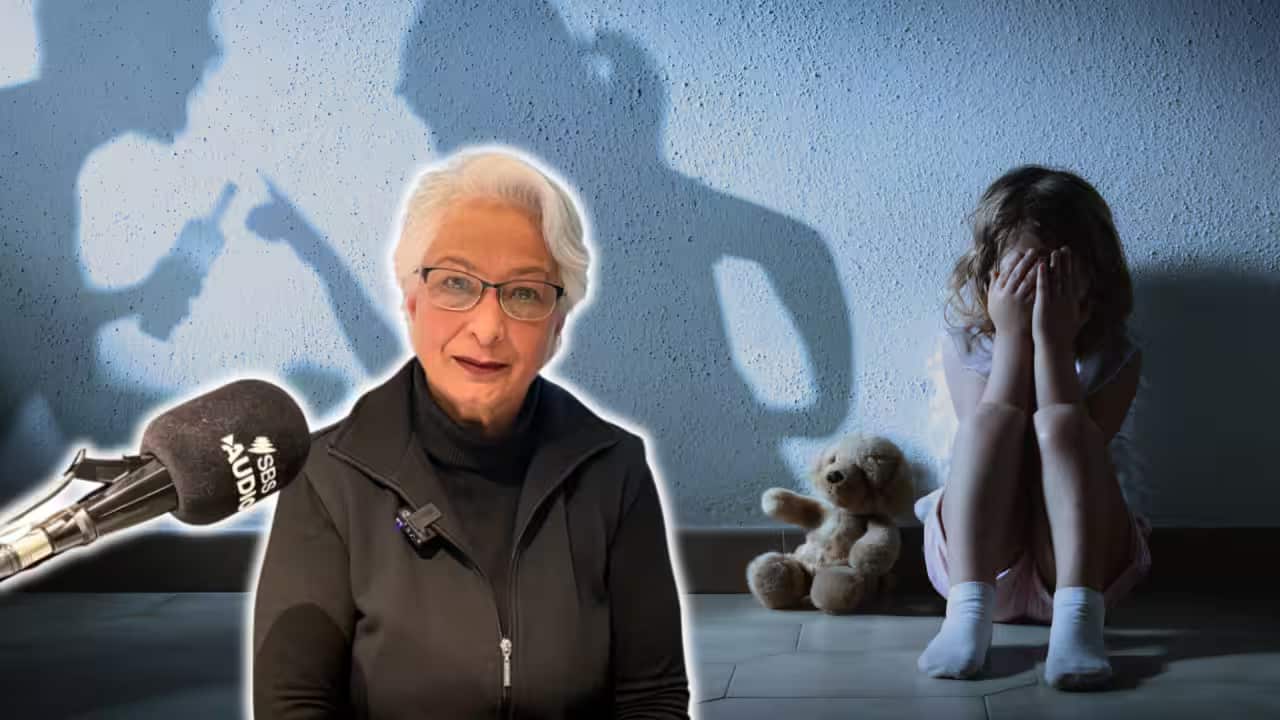
It's a reality that couple and family therapist Muktesh Chibber has seen directly in her work with young people in the Indian community.
She regularly sees girls aged 19 to 22 who have come to Australia to marry — often in arranged matches — and then struggle to adapt to a new country, language and family structure all at once.
"The whole society and environment is unknown — the way of life, the lifestyle," Chibber says.
"If it's an arranged marriage, the couple don't know each other."
Isolation, a lack of financial freedom, and a limited understanding of how Australian systems work can keep some women in marriages they want to leave far longer than they otherwise might.
"They experience a lot of helplessness. They don't know what to do because they don't know the [Australian] system … they just have their partners. Some of them feel trapped," Chibber says, adding that experiences of intimate partner violence often compound this feeling.
Many of them stay in that violent relationship — it's deeply saddening to see girls in that cycle because they really feel trapped.
Kalpaxis sees the challenge of such dynamics from the legal side — entrenched cultural stigma around separation can often mean third parties, like family members, are brought in as mediators.
"When there is a religious component, I sometimes see attempts to excuse or minimise the behaviour, or even cover it up, by people who are older or more influential within the community," she says.
"Unfortunately, this can prolong victim survivors staying in abusive relationships."
She's especially concerned about the youngest end of the bracket: girls as young as 16 or 17 who marry with parental consent, often in arranged matches, where cultural shame can make leaving violence feel impossible.
"I'm seeing more and more people experiencing domestic violence within this category who find it incredibly difficult to leave because of the cultural shame associated with separating," she says.
"In some cultures, particularly within this age bracket, domestic violence is not spoken about, and it is not something people want to get involved in.
"This leaves women and young girls particularly at risk, and the lethality markers [indicators that violence could escalate to result in death] in these relationships tend to be quite high."
A 'badge of honour'
For young people who make it to the other side, leaving marriages they no longer want or feel safe to be in, the stigma slowly melts away with time, says Sarah.
The shame that once defined her divorce has faded as her own friends have gone through breakups.
"It's lost its novelty," she says.
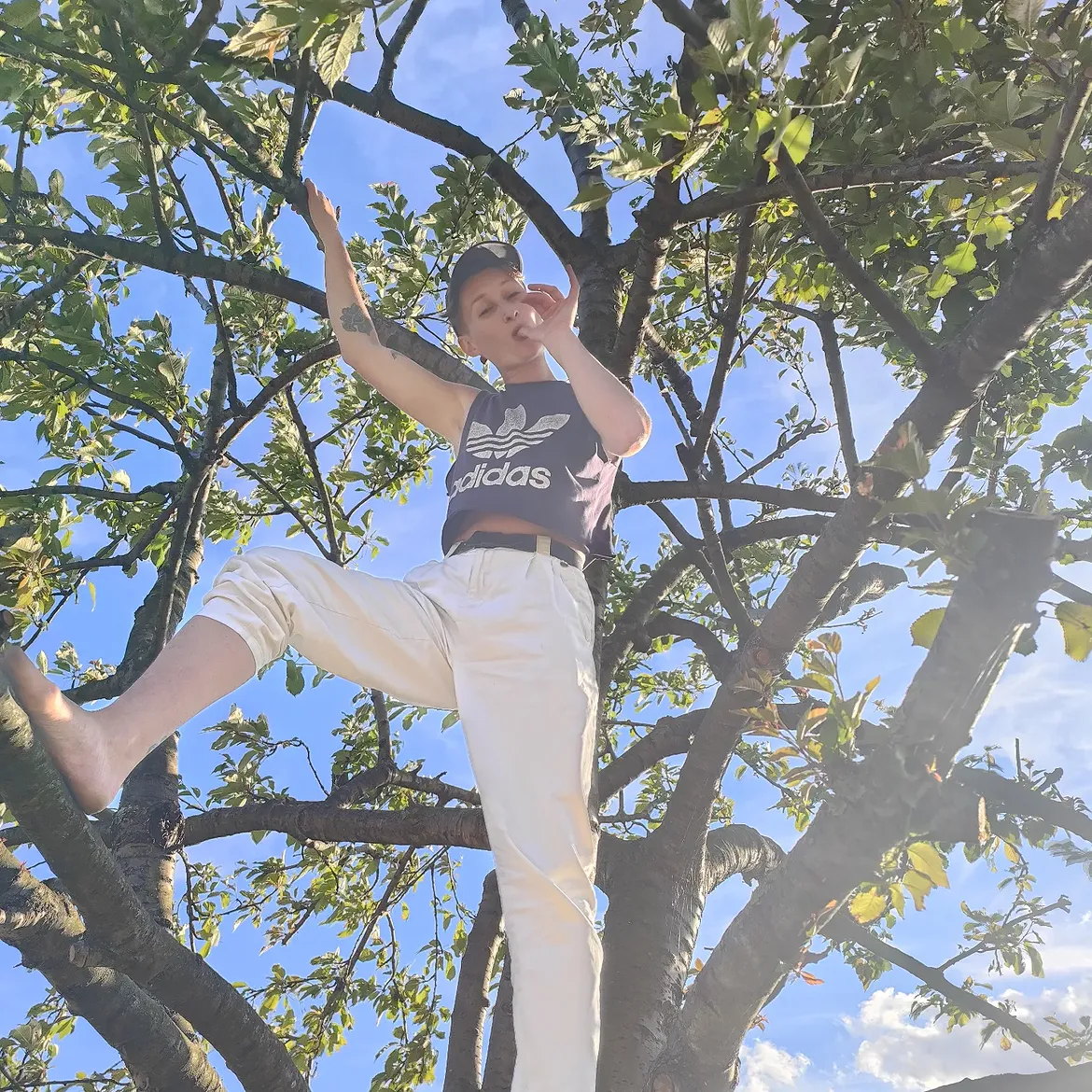
Now, she looks back at her younger self with compassion: "It was probably a harsher life lesson than what I needed at that age, but it was still a really nice thing to choose love."
Similarly, Brenda now wears the divorcee label as a "badge of honour".
"I honoured myself and accepted that it was done and that it was time to grow and move forward," she says.
Her only regret is cultural.
I wish marriage wasn't just touted as a thing for girls to do.
Natalie feels almost entirely disconnected from the young woman who married just days after her teens ended.
"I often joke that I was a child bride — four days out of teenhood," she says.
"I have experienced multiple revolutions of myself since then — I'm now openly and proudly queer, in a healthy relationship with an amazing woman.
"When I look back on that version of myself, I feel completely disconnected. It feels like my entire brain chemistry has changed. And I truly believe it has."
If you or someone you know is impacted by family and domestic violence, call 1800RESPECT on 1800 737 732, text 0458 737 732, or visit 1800RESPECT.org.au. In an emergency, call 000.
The Men’s Referral Service, operated by No to Violence, can be contacted on 1300 766 491.
For the latest from SBS News, download our app and subscribe to our newsletter.







