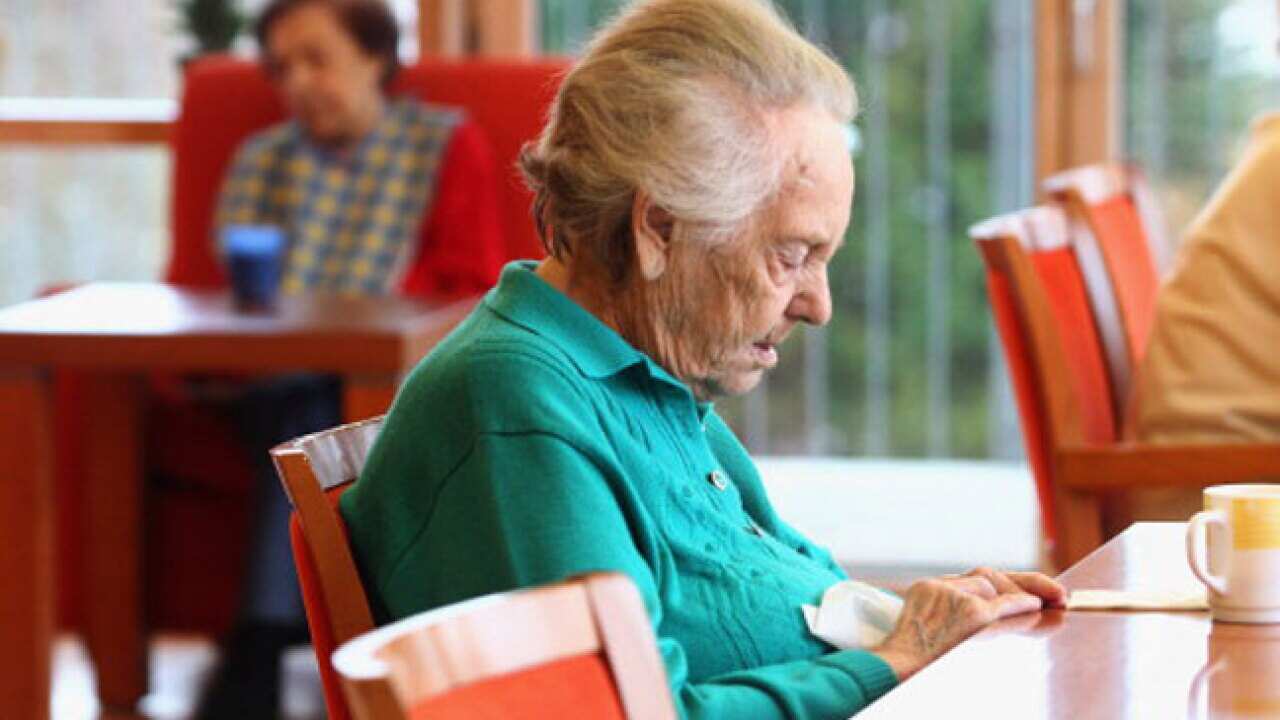
The first national report card into mental health has shown that those suffering mental illness on average live 25 year less than others.
The report released today, A Contributing Life: the 2012 National Report Card on Mental Health and Suicide Prevention, outlines ten recommendations to improve the mental health of Australians.
MENTAL HEALTH RECOMMENDATIONS
News that makes sense
Your trusted source for staying up-to-date with the world around you. Get free daily news updates and analysis, straight to your inbox.
- Reducing the early death of Australians with severe mental illness and improving their physical health.
- Minimising the use of seclusion and restraint
- Increasing access to mental health services from 6-8 to 12 per cent of Australia's population
- Making the mental health of Aboriginal and Torres Strait Islander peoples a higher priority.
- Stopping people from being discharged from mental health services into homelessness or unstable homes.
- Increasing the employment rates of people with mental illness and paying greater attention to supporting them at work
- Increasing access to home based visiting to support families and children
- Providing effective, local interventions to prevent suicide
Commission chairman Allan Fels said that it's the physical health of mental health sufferers that is often overlooked.
“Sometimes they physical health side is overshadowed by the mental illness side,” Professor Fels said.
“The physical health of at least severely mentally ill people is quite poor, they live, on average, 25-years younger than the rest of the population.”
He said the focus should be shifted to a holistic view.
“They need to treat people with mental illness, give more priority to the physical health, to the obesity, sometimes to the drugs they are taking.”
“Governments a few years ago committed to 12 per cent of the population getting access to mental health services, but the numbers show that only eight per cent do. The problem is even worse in rural and regional and remote Australia.
The National Health Commission, set up to advise the prime minister in mental health reform, will deliver the next report in a year's time.
Support is available for anyone who may be distressed by calling Lifeline 131 114, Mensline 1300 789 978, Kids Helpline 1800 551 800.
NITV: REPORT SAYS SUICIDE WORSE IN REMOTE INDIGENOUS COMMUNITIES







