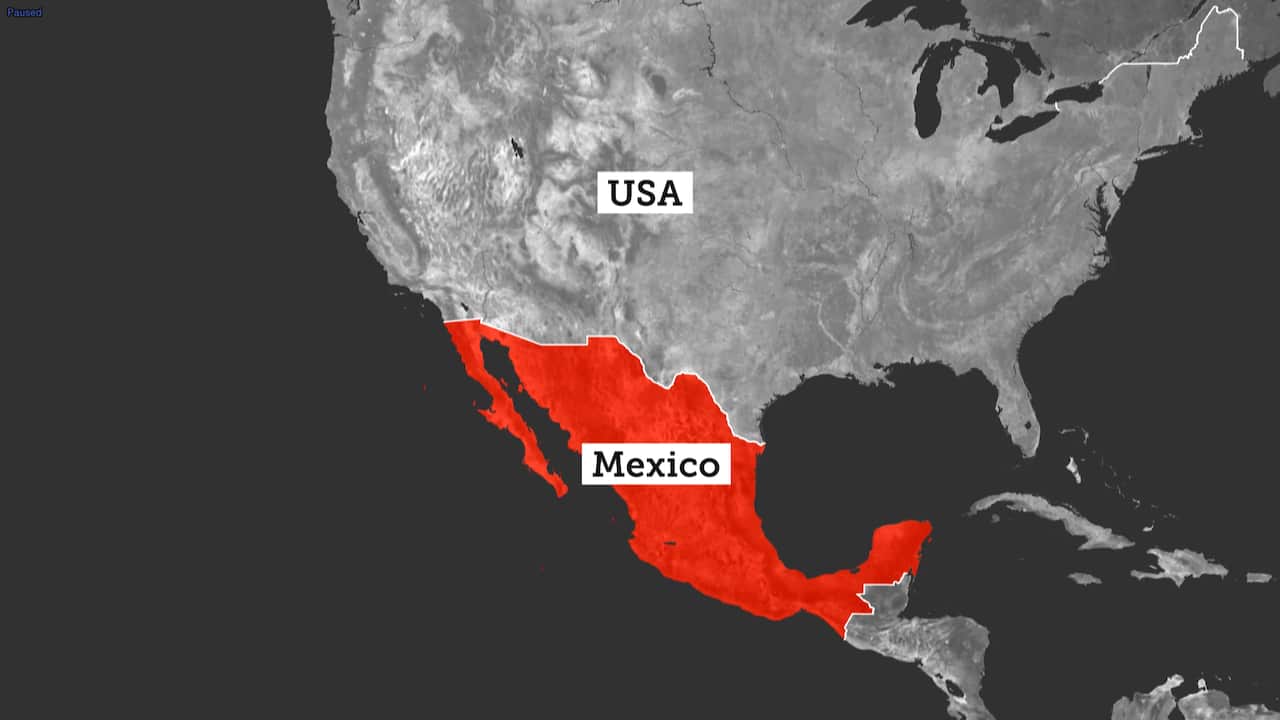
Thousands of Central American migrants traveling in a caravan through southern Mexico have had their hopes dashed of being bused to the nation's capital after authorities in Veracruz pulled an offer of transportation.
As the caravan crossed into the Gulf coast state of Veracruz, Governor Miguel Angel Yunes announced that authorities there would be providing not only humanitarian assistance but also offering mass transportation for the migrants.
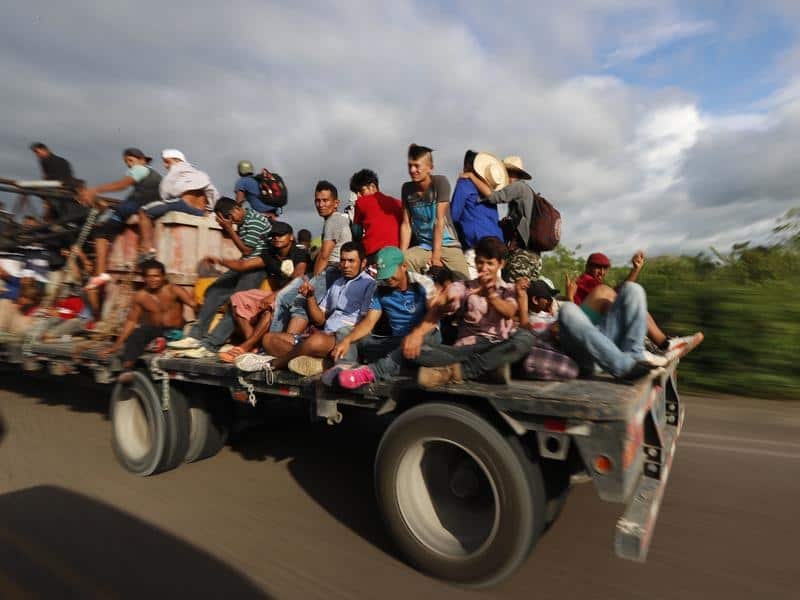
"It is very important that they be able to move soon from Veracruz toward another place," Yunes said in a video message released in the evening.
News that makes sense
Your trusted source for staying up-to-date with the world around you. Get free daily news updates and analysis, straight to your inbox.
Caravan organisers told the migrants that they would be leaving around 5am for the capital in dozens of buses, apparently enough to accommodate the several thousand people in the group.
But soon afterward, Yunes released a second video saying that because Mexico City's water system was undergoing maintenance and much of the city would be without water over the weekend, it would not be correct to send the migrants there.
Instead he offered to take the migrants to another city in Veracruz until the problem in Mexico City is resolved.
Earlier in the day, a third caravan of migrants - this time from El Salvador - waded over the Suchiate River into Mexico on Friday, bringing another 1000 to 1500 people who want to reach the US border.
The third caravan tried to cross the bridge between Guatemala and Mexico, but Mexican authorities told those travelling in it they would have to show passports and visas and enter in groups of 50 for processing.
The Salvadorans expressed misgivings that they would be deported, so they turned around and waded across a shallow stretch of the river to enter Mexico.
Although police were present, they did not try to physically stop the migrants, who later walked along a highway toward the nearest large city, Tapachula.
Mexico is now faced with the unprecedented situation of having three caravans stretched out over 500 kilometres of highways in the southern states of Chiapas and Oaxaca, with a total of about 6000 migrants. The first, largest group of mainly Honduran migrants entered Mexico on Oct. 19.
Though the first caravan once numbered as many as 7000, it has shrunk significantly. It has been hard to know their exact numbers as people scatter across highways and in small towns.
Mexico's Interior Department estimated that, as of Friday, it numbered only 3000 people. Other estimates had it around 4000 or more.
The second caravan, also of about 1000 to 1500 people, entered Mexico earlier this week and is now in Mapastepec, Chiapas.
The second group includes Hondurans, Salvadorans and some Guatemalans.
In addition, the government identified a fourth, smaller group of 300 Central American migrants walking further ahead, in the Gulf coast state of Veracruz.
It remained unclear how many migrants would make it; 20 days of scorching heat, constant walking, chills, rain and illness had taken their toll.
Mexico's Interior Department says nearly 3000 of the migrants in the first caravan have applied for refuge in Mexico; hundreds more have returned home.