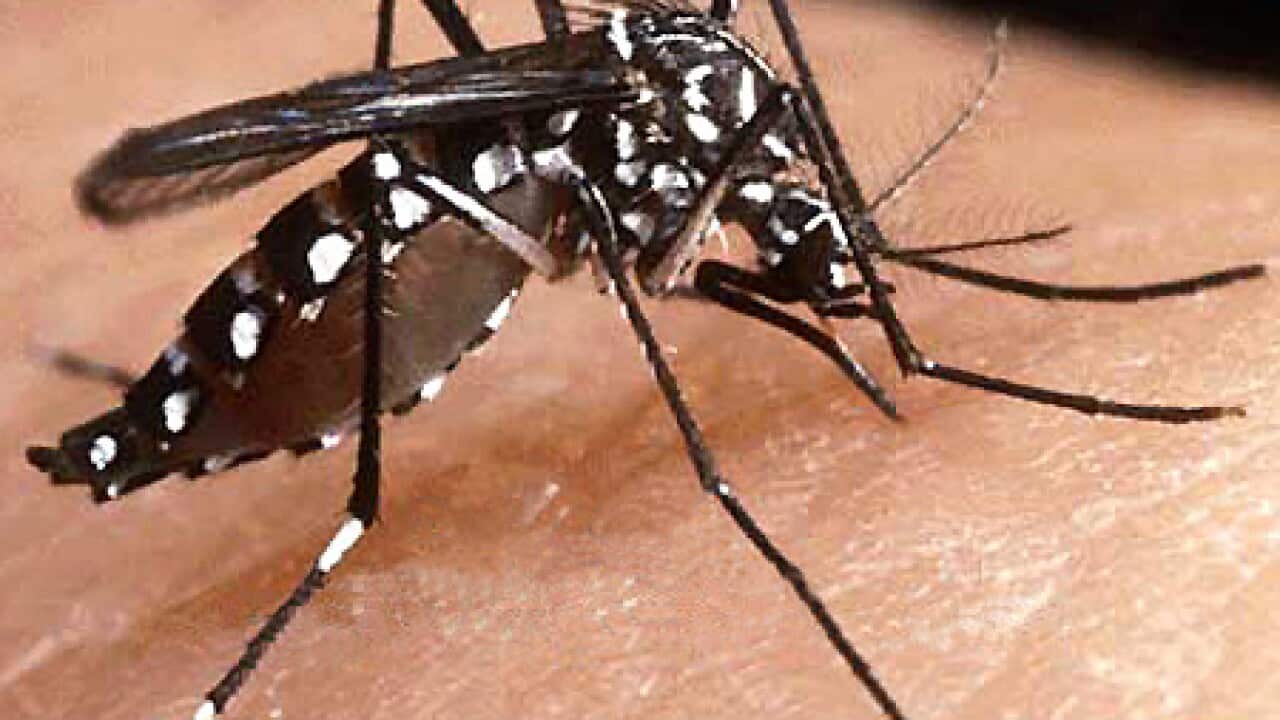
West Australians are being warned about the health risks associated with mosquito bites in the state's north.
Confirmation of brain inflammation in a Carnarvon resident following a mosquito bite has prompted the Department of Health to warn people holidaying in the Kimberley, Pilbara, Gascoyne and Midwest regions to take care.
The Department says the inflammation was caused by Murray Valley Encephalitis (MVE) virus or Kunjin virus.
Several other possible cases of MVE infection are also being investigated in some Kimberley and Pilbara residents, the Department says.
Medical Entomologist Sue Harrington said the Department's surveillance program continued to detect activity of the rare, but potentially fatal, MVE and Kunjin viruses throughout the Kimberley, Pilbara and Gascoyne regions.
News that makes sense
Your trusted source for staying up-to-date with the world around you. Get free daily news updates and analysis, straight to your inbox.
There has also been an increase in reports of people with Ross River virus and Barmah Forest virus diseases in the northwest and the Midwest region, she said.
"Murray Valley encephalitis virus and Kunjin virus are carried by mosquitoes, and while the risk of being infected and becoming unwell is low, the illnesses can be severe and people should take sensible precautions to avoid mosquito bites," Ms Harrington said.
She said symptoms of MVE included fever, drowsiness, a headache, a stiff neck, nausea and dizziness.
In severe cases, people may also experience fits, a lapse into a coma, and may be left with permanent brain damage or could die, Ms Harrington said.
"In young children, fever might be the only early sign, so parents should see their doctor if concerned, particularly if their child experiences drowsiness, floppiness, irritability, poor feeding, or general distress," she said.
Ms Harrington said Kunjin virus usually caused milder illnesses but could get worse, so anyone experiencing symptoms should seek immediate medical help.
Ross River virus disease has also been detected in people from the Kimberley and Pilbara regions, while cases of Barmah Forest virus disease are being noted in the Midwest region, Ms Harrington said.
"There are no specific cures or vaccines for any of these mosquito-borne diseases so it is very important that people take care to prevent being bitten by mosquitoes," she said.
Ms Harrington said although people did not need to alter their travel plans, it was important to avoid mosquito bites by avoiding outdoor exposure at night, securing insect screens and wearing protective long-sleeve clothing outdoors.







