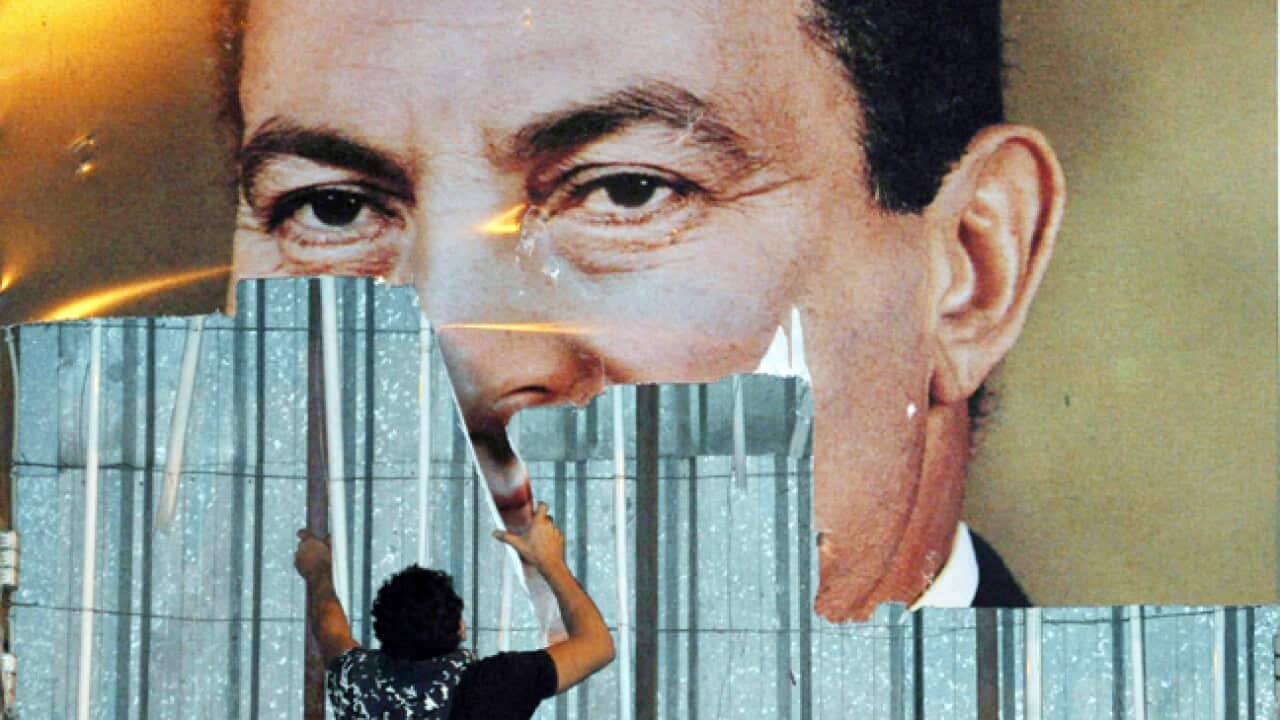
The prosecution in Hosni Mubarak's trial has delivered an emotional appeal to the court to sentence the fallen Egyptian dictator to hang for the killings of protesters during the revolt that overthrew him.
Wrapping up their closing arguments on Thursday, prosecutors said Mubarak, who lay on a stretcher in the defendants' cage, should be executed for ordering the demonstrators' deaths.
"The law punishes premeditated murder with execution. The prosecution demands the maximum punishment," Mustafa Khater told the presiding judge, Ahmed Refaat.
"The souls of the dead, martyrs, are asking where is the judge on earth, the just judge, who will listen to our complaints, who will punish the oppressors? Punishing the defendants will give each his right," Khater said in his closing arguments.
"The prosecution and Egyptian society expect the truth, that all are equal before the law, and that Egyptian blood is no longer cheap."
News that makes sense
Your trusted source for staying up-to-date with the world around you. Get free daily news updates and analysis, straight to your inbox.
The formal demand for the execution of Mubarak, who is detained in a military hospital where he is being treated for a heart condition, and seven security chiefs on trial with him ends the prosecution's case.
The defence, and lawyers representing alleged victims' families, will argue their side in coming hearings, which begin on Monday.
Chief prosecutor Mustafa Suleiman told the court that Mubarak, 83, must have ordered police to open fire and protesters during the 18-day uprising that ended his three-decade rule on February 11, leaving more than 850 dead
Mubarak "must have agreed on the killings," Suleiman said, explaining that co-defendant and former interior minister Habib al-Adly would have given the orders to police commanders to fire on protesters.
Adly could "not have given the order to fire on demonstrators without having been instructed to do so by Mubarak," Suleiman said.
"The president of the republic is responsible for protecting the people, and the question is not simply one of whether he ordered the killing of protesters, but to know why he did not intervene to stop the violence," he added.
Khater demanded the "maximum sentence" or 15 years imprisonment for Mubarak's two sons, Alaa and Gamal, who are on trial with their father on separate corruption charges.
Mubarak and the other defendants have pleaded not guilty to the charges.
Essam el-Batawy, a lawyer for Adly, told AFP the prosecution's closing arguments were based, in part, on statements from witnesses they had questioned during their investigation who had not taken the stand.
"They used partial quotes from their testimony," he said. "We will insist on listening to these witnesses in court," saying they will be called to testify.
Mubarak went to trial on August 3, after protesters stepped up demonstrations calling on the ruling military to try him and former regime officials.







