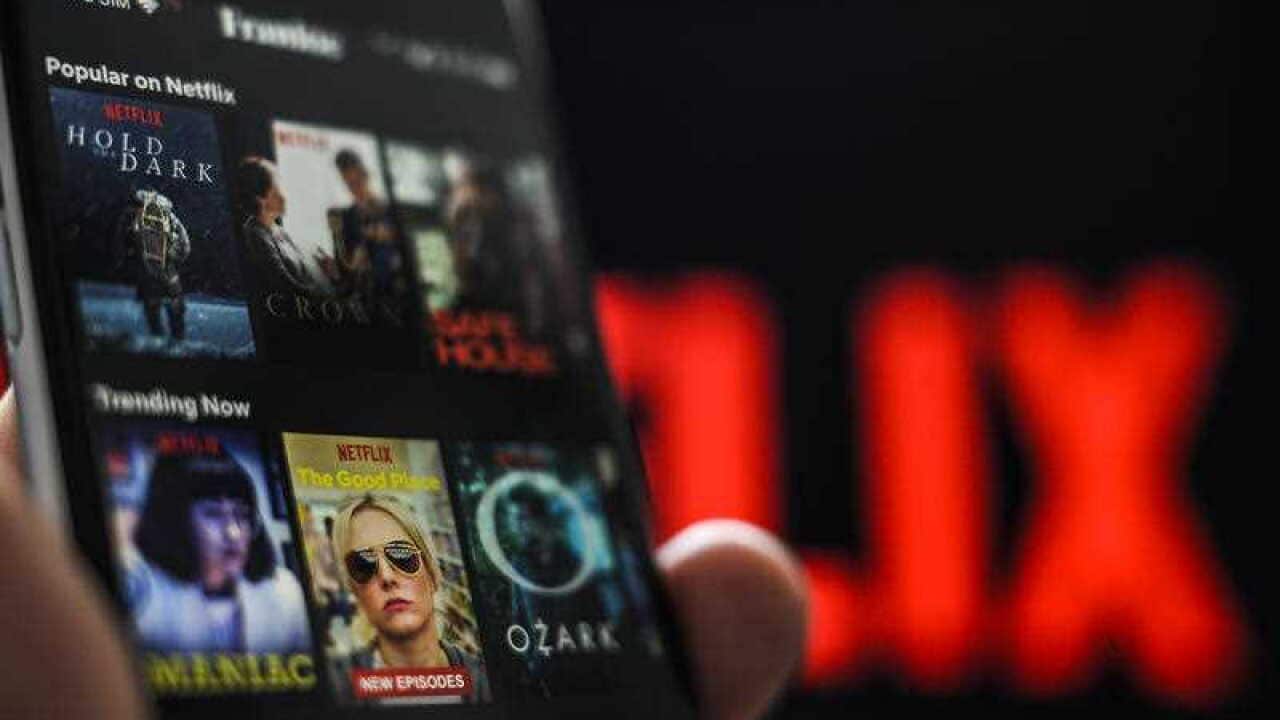
Netflix has angered subscribers who have accused the streaming service of targeting them using title artwork to suggest black actors have starring roles in films when they play smaller parts.
The streaming network announced its algorithm will deliver personalised suggestions and visual artwork to its 130 million users based on their habits.
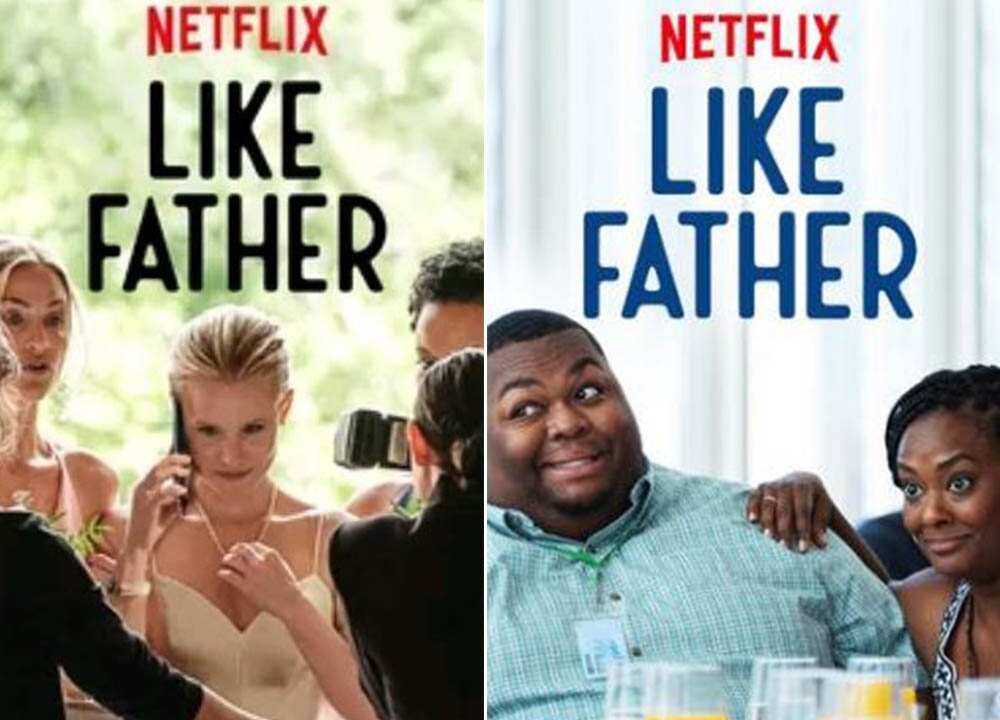
But Twitter user Stacia Brown recently posted her frustration after she noticed the film artwork was featuring black cast members who did not feature prominently in the movie.
"Other Black @netflix users: does your queue do this? Generate posters with the Black cast members on them to try to compel you to watch? This film stars Kristen Bell/Kelsey Grammer and these actors had maaaaybe a 10 cumulative minutes of screen time. 20 lines between them, tops," she wrote.
News that makes sense
Your trusted source for staying up-to-date with the world around you. Get free daily news updates and analysis, straight to your inbox.
Ms Brown took a screenshot of the comedy Like Father, which stars Kelsey Grammer and Kristen Bell.
But rather than the two white main characters in the film artwork, the ad featured African-American actors Blaire Brooks and Leonard Ouzts.
This was also apparent in the British film favourite Love Actually, which stars white actors Hugh Grant, Emma Thompson and Colin Firth.
But in the screenshot from Ms Brown, the artwork centres on Kiera Knightley and Oscar-winner Chitwetel Ejiofor. Mr Ejiofor plays a relatively minor role in Love Actually, as Knightley's husband.
Many other Netflix users also reported similar experiences with the advertising.
But a Netflix spokesperson told SBS News that the algorithm is based on personal behaviour during a user's experience and the reports were untrue.
"Reports that we look at demographics when personalizing artwork are untrue. We don't ask members for their race, gender or ethnicity so we cannot use this information to personalize their individual Netflix experience," the spokesperson said.
"The only information we use is a member's viewing history. In terms of thumbnails, these do differ and regularly change. This is to ensure that the images we show people are useful in deciding which shows to watch.
"We are always trying to learn from our members and looking for ways to improve how we personalize the service over time."
Coder Ben from Chicago tweeted that people wouldn't find it comforting knowing they are being treated differently.
"I bet ppl at the company thought it’d be a cool idea & drive hella engagement... BUT ppl generally don’t like knowing they’re being treated different bcuz of their race esp. not in the comfort of their own homes tryna watch a movie," [sic] he tweeted.
The Guardian interviewed Tobi Aremu, a film-maker from Brooklyn, who had an issue with how the movie Set It Up was displayed.
“It’s beyond feeling duped,” he told the publication. “Because if something is black, I take no offence in being catered to. I am black, give me black entertainment, give me more – but don’t take something that isn’t and try to present like it is. I wonder what the makers of those shows and films think. If it was me, I would be very upset.”
SBS News has reached out to Netflix for comment.







