
Japanese Prime Minister has joined those praising the Japanese and American scientists who have won the 2018 Nobel Prize for Physiology or Medicine.
Tasuku Honjo and James Allison won the award for their game-changing discoveries about how to harness and manipulate the immune system to fight cancer.
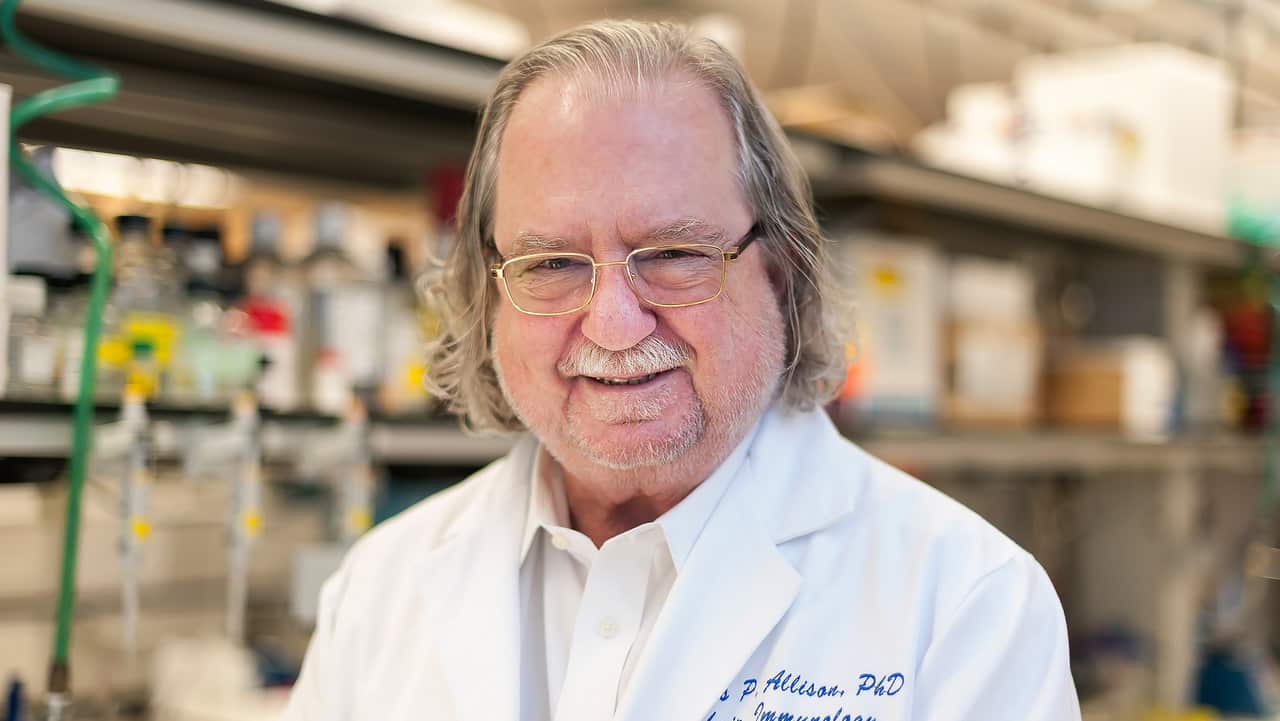
The scientists' work in the 1990s has since swiftly led to new and dramatically improved therapies for cancers such as melanoma and lung cancer, which had previously been extremely difficult to treat.
News that makes sense
Your trusted source for staying up-to-date with the world around you. Get free daily news updates and analysis, straight to your inbox.
Japanese Prime Minister Shinzo Abe congratulated Honjo in a phone call, telling him: "I believe the achievements of your research have given cancer patients hope and light."
Mr Allison told a news conference he was in a "state of shock" hours after learning from his son that he had won a Nobel prize.
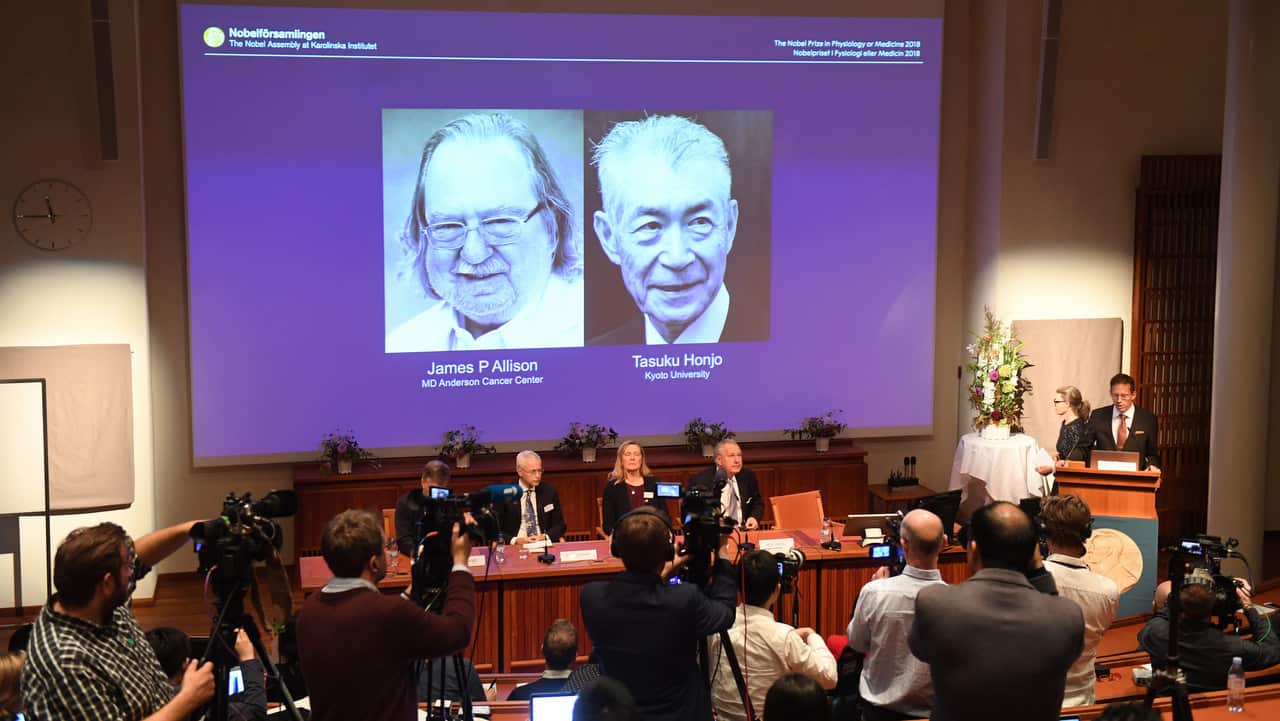
"As a basic scientist, to have my work really impact people is just one of the best things," he said.
"I think it's everybody's dream. And I've been lucky enough to do work that is benefiting people now."
Commenting on the award, Kevin Harrington, a professor at the Institute of Cancer Research in London, said the work had revolutionised cancer treatment.
"We’ve gone from being in a situation where patients were effectively untreatable to having a range of immunotherapy options that, when they work, work very well indeed," he said in a statement.
"For some patients we see their tumours shrink or completely disappear and are effectively cured."
Medicine is the first of the Nobel Prizes awarded each year.
The prizes for achievements in science, literature and peace were created in accordance with the will of dynamite inventor and businessman Alfred Nobel and have been awarded since 1901.
The literature prize will not be handed out this year after the awarding body was hit by a sexual misconduct scandal.
A Swedish court on Monday found a man at the centre of the scandal guilty of rape and sentenced him to two years in jail.







