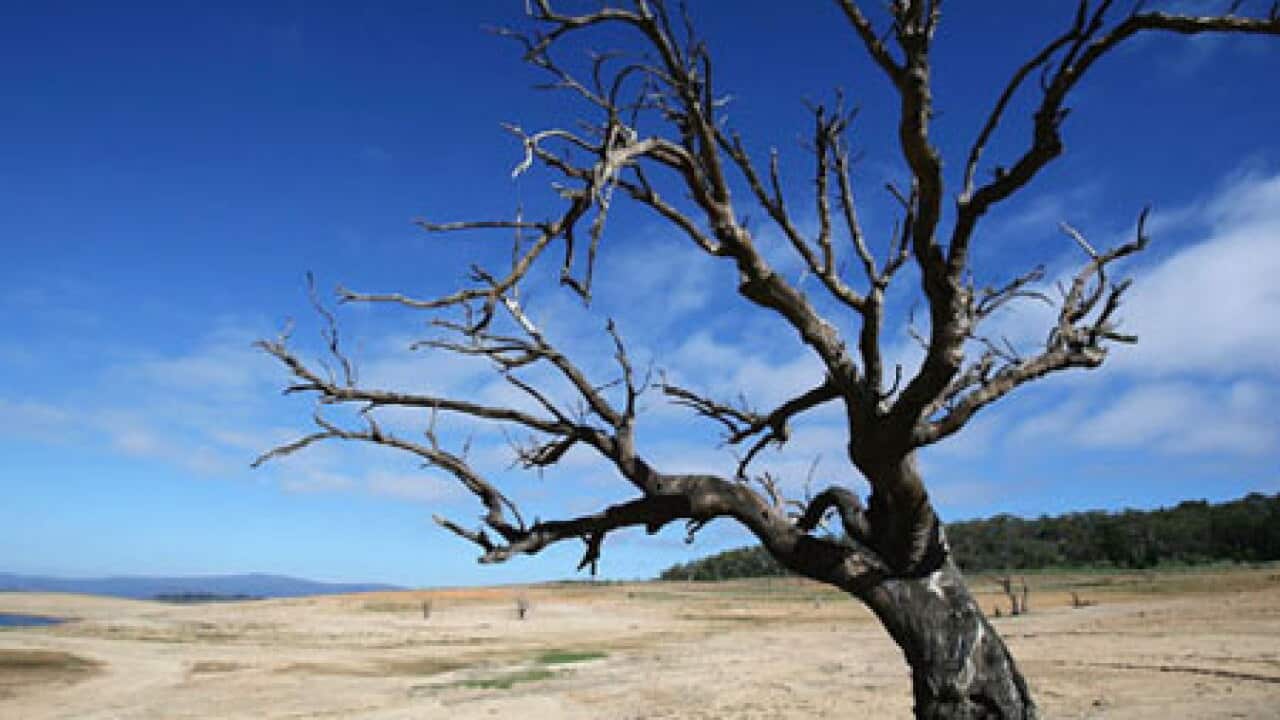
The area of NSW in drought is lower than it has been in the past nine years, after widespread rain across the state during the summer months and in March.
Almost one-third of NSW moved out of drought in March, bringing the area officially in drought down to 7.3 per cent, Primary
Industries minister Steve Whan said in a statement.
News that makes sense
Your trusted source for staying up-to-date with the world around you. Get free daily news updates and analysis, straight to your inbox.
"Not since the drought began nine years ago has the situation been this good across the State," he said.
The situation has been helped by torrential rain that deluged southern parts of Queensland in late February and early March, entering northern NSW.
Significant rainfall
There has also been significant rainfall in the state's central west, bringing relief to outback towns such as Dubbo and Cobar.
Other towns that have moved out of the drought include Wanaaring, in the state's north-west, Wagga-Wagga, in the Riverina region, and Braidwood, south-east of Canberra.
The total area of NSW in drought dropped by 32.5 per cent in March, Mr Whan said, and by 58 per cent over the last two months.
"It is a very welcome boost from January when 81 per cent of the State was in drought," he said.
While he welcomed the situation with open arms, Mr Whan warned celebrations could be short lived if rainfall did not continue.
"More than half of the drought is marginal - so without continued good rain these areas could slip back into drought," he said.
"Also, the State's large water storages are still very low, increasing only 0.6 per cent in March to 28.8 per cent of total storage capacity," he said.
The yield potential for summer crops had been increased and subsoil moisture had been replenished for winter crops, Mr Wran said.
Exceptional rains that had caused severe local flooding in the north and centre of NSW had set these areas up for a potentially good winter crop season, he said.







