Are we finally getting some financial relief?
Petrol prices are at their lowest since mid-February, we've been told we may be over-estimating how much superannuation we actually need, and the Reserve Bank of Australia (RBA) held off on lifting interest rates this week.
That may sound like relief. But for households, there are still reasons to be cautious.
Petrol prices slide, oil price tumbles
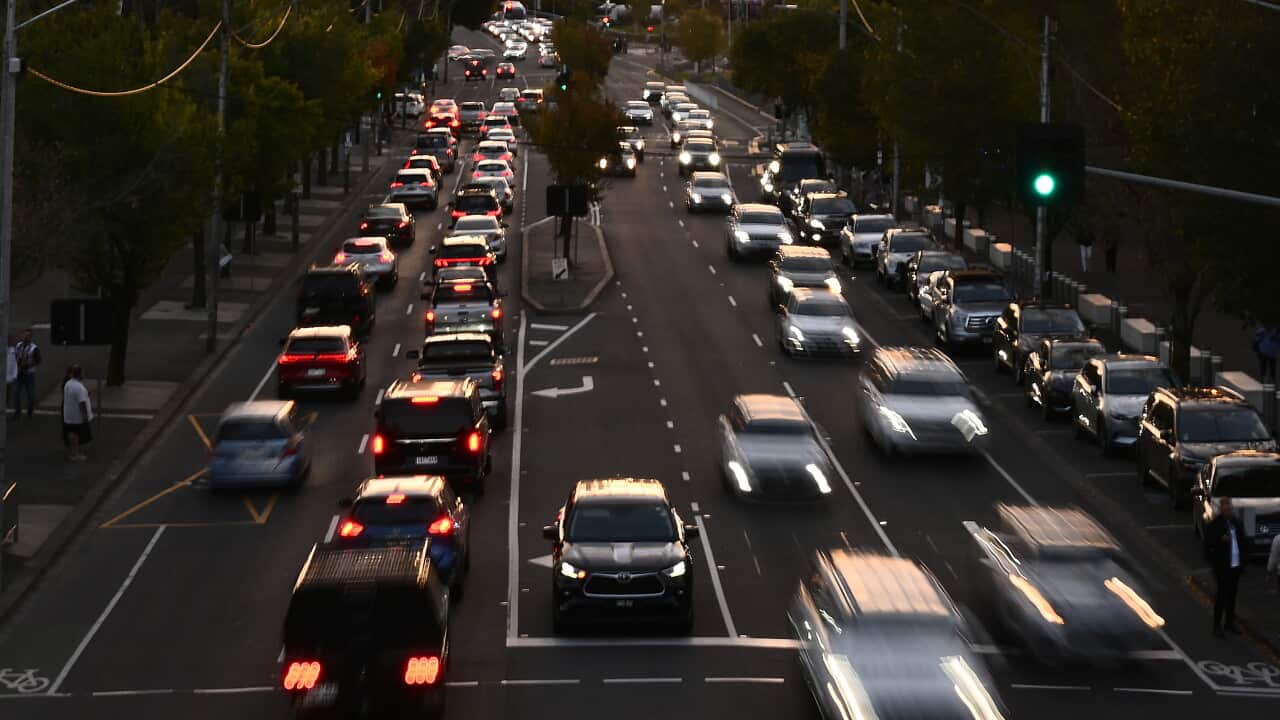
The national average for a litre of unleaded fell 5.6 cents last week to just over $1.69, according to the Australian Institute of Petroleum.
News that makes sense
Your trusted source for staying up-to-date with the world around you. Get free daily news updates and analysis, straight to your inbox.
That's the lowest since mid-February, which was before the outbreak of the war in the Middle East.
It comes as the global oil price tumbled around 10 per cent this week following the unveiling of a framework to end the conflict — though negotiations are off to a shaky start.
While there are some ongoing uncertainties, the fall in oil prices should make petrol even cheaper in the coming weeks.
At the same time, the government's temporary fuel excise discount is scheduled to end, putting 26.3 cents per litre back onto the price of petrol and eating into any recent benefits.
RBA holds, but pressure is still on borrowers
The RBA left the cash rate unchanged at 4.35 per cent this week, delivering no immediate relief for mortgage holders.
While the decision was widely expected, the central bank's message remained cautious. Policymakers said inflation remains persistent and indicated further rate rises remain possible if price pressures do not ease as expected.
But with the economy slowing, three of the big four banks say the RBA may be done hiking interest rates, with cuts pencilled in for sometime in 2027.
We'll know more about the direction of inflation when the Australian Bureau of Statistics publishes the monthly consumer price index on Wednesday.
How much super do you really need to retire comfortably?
Many Australians may be overestimating how much they need to save for retirement.
New figures from the Association of Superannuation Funds of Australia (ASFA) show a single person retiring today needs around $630,000 in superannuation savings to fund a comfortable retirement. For a couple, that figure rises to around $730,000.
According to ASFA, a comfortable retirement includes activities and expenses many Australians would associate with a relatively active lifestyle. That includes top-level private health insurance, home internet, car ownership, regular meals out, annual domestic travel and an overseas trip every seven years.
The findings come as many Australians continue to worry about whether they're saving enough. ASFA says 42 per cent of people believe they will need more than $1 million in retirement savings.
The gap between perception and reality highlights a common challenge for retirement planning. While every person's circumstances differ, the figures suggest many Australians may be closer to their retirement goals than they realise.
It comes as researchers at Chant West say the median growth super fund saw a 2.1 per cent return in May, putting it on track for a 9 per cent financial year return.
BHP's big slide following an even bigger year
The Australian sharemarket eased on Friday, with the ASX200 rising 0.3 per cent over the week.
The biggest move, though, came from Australia's largest listed company, BHP, which saw its shares suffer their biggest one-day fall in more than a year, down 5.6 per cent on Friday.
It follows a cost blowout at its potash unit in Canada.
But shares are up a massive 70 per cent over the past year as the company benefits from rising copper prices and its exposure to the energy transition.
That's this week’s On the Money wrap. Prefer to listen? The On the Money podcast breaks down the latest every weekday. You can tune in here or wherever you get your podcasts.
For the latest from SBS News, download our app and subscribe to our newsletter.







