This audio is voiced by AI and may occasionally mispronounce words.
Share your feedback and help us improve this feature. Read more about how we use AI at SBS here.
Amid escalating rivalry between the United States and China, a pristine paradise in the western Pacific is confronting what it means to be part of the "tip of America's spear" in the region.
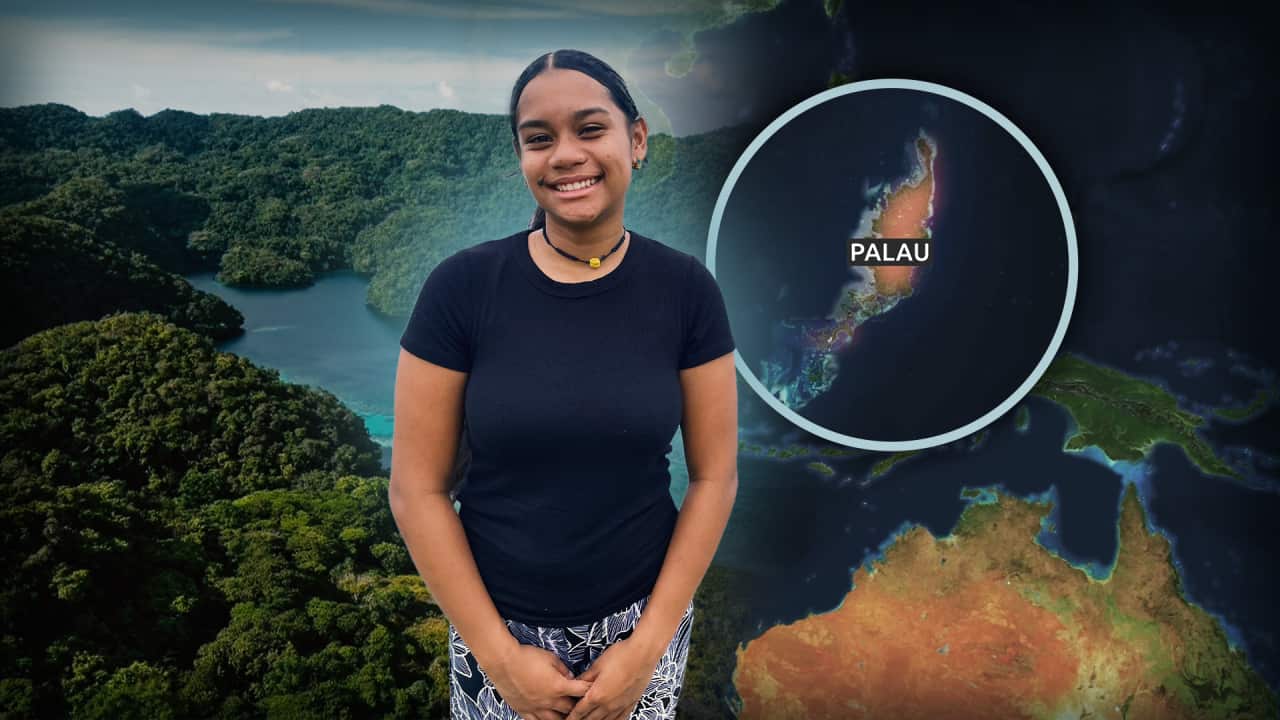
Home to around 18,000 people, the nation of Palau is comprised of hundreds of tiny, uninhabited, volcanic islands jutting out of the surrounding ocean. The archipelago is covered in lush vegetation and surrounded by turquoise lagoons and coral reefs.
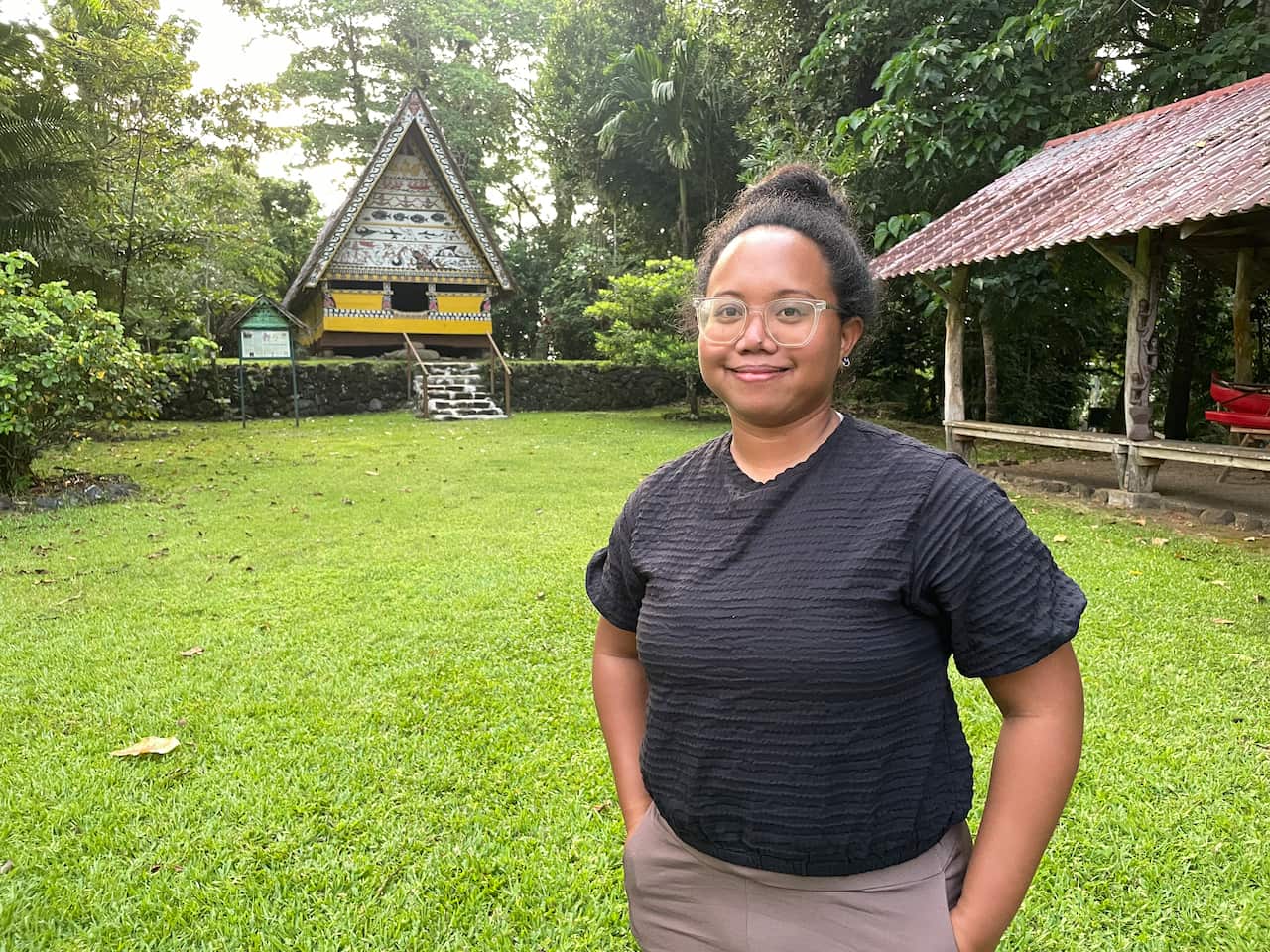
The distinctive limestone islands that make the nation such an international drawcard are just a short walk from 18-year-old Dior Imaim Ngiraboi's home.
The recent high school graduate has fond memories growing up here, swimming in the crystal-clear water and playing in the nearby forest. Like so many Palauans, Ngiraboi has a deeply personal and cultural connection to the natural environment.
She meets SBS News at the water's edge on a typically warm morning. A few street dogs have risen from their slumber, watching with curiosity. It's here that Ngiraboi tells us about the traditional conservation concept of 'bul'.
News that makes sense
Your trusted source for staying up-to-date with the world around you. Get free daily news updates and analysis, straight to your inbox.
"It's a very, very big part of Palauan culture," she says.
"It's something our ancestors knew was a necessity, to allow our environment to heal, to be able to continue providing for us. Growing up, we were told to take care of the environment because it's taking care of us."
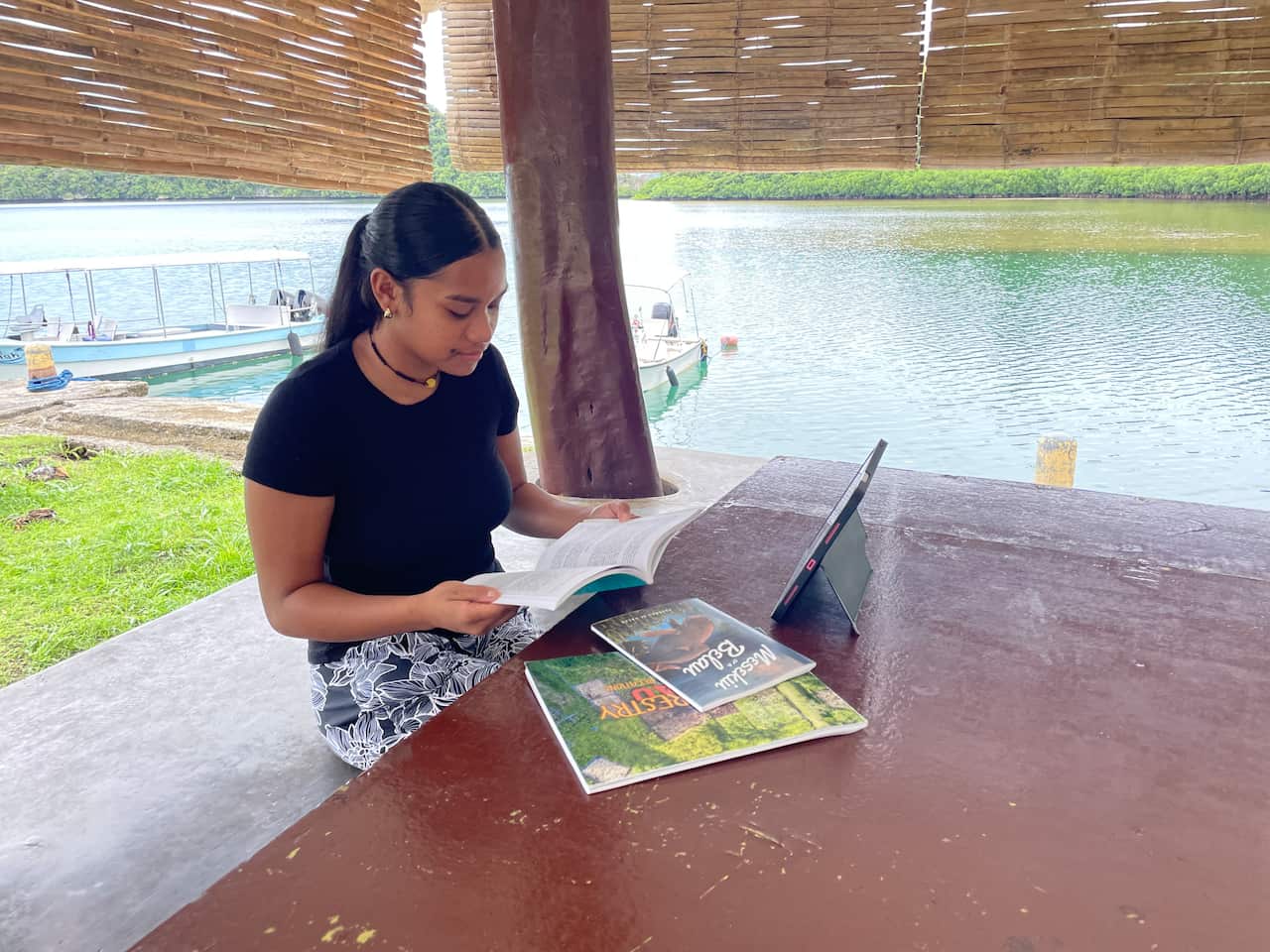
For Ngiraboi, that connection to the land is being reshaped by a changing strategic reality in the region.
Amid growing rivalry with China, the US has expanded its military footprint across these islands, and many Palauans are balancing hopes for greater security with concerns about the environmental, cultural and social costs.
In late 2024, Ngiraboi was among seven Palauan high school students who filed a complaint to two United Nations Special Rapporteurs. The complaint alleged the expansion of the US military presence in Palau was harming local communities and the natural environment.
The allegations have not been tested in court. The US says it takes concerns about its projects seriously but broadly disputes the students' claims.
Inside the US military expansion in Palau
The US has been steadily building and revamping military sites across Palau, including World War Two-era runways, naval facilities and sophisticated radar systems.
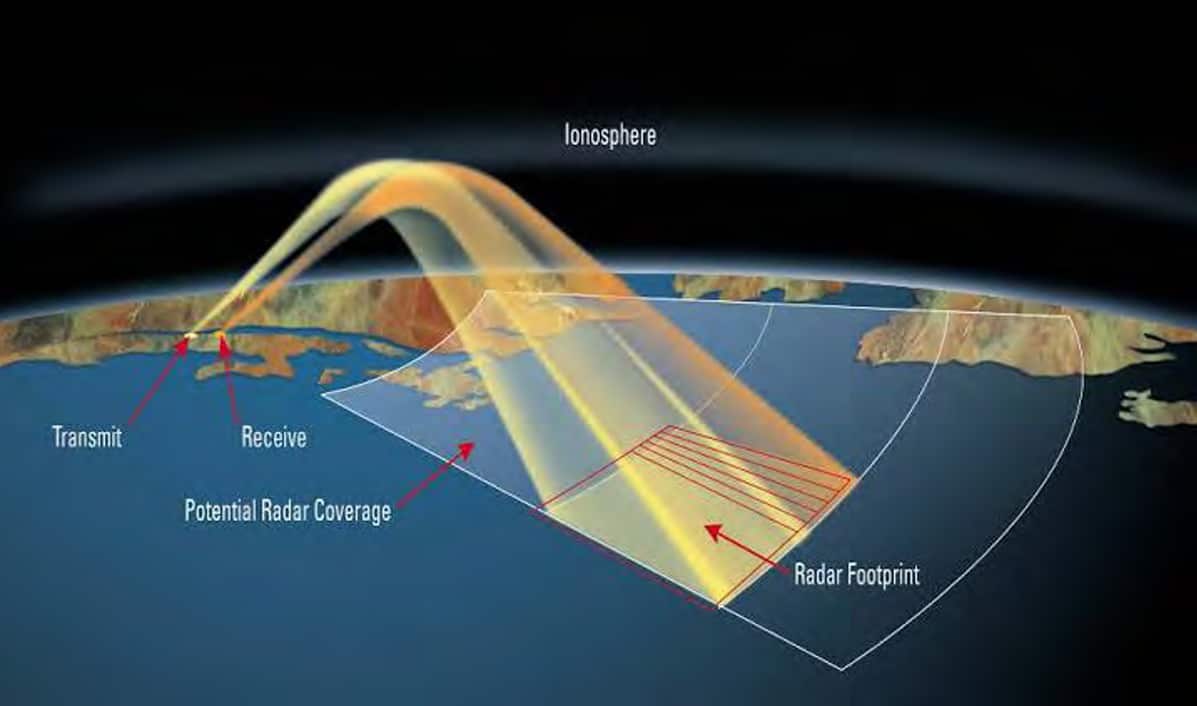
SBS News visited one of these sites, still under construction, which will eventually become an unmanned Tactical Mobile Over-the-Horizon Radar (TACMOR) transmitter.
According to its Environmental Impact Statement, the 22-hectare facility would "improve the United States' and its regional partners' ability to monitor air and maritime platforms in the vicinity of Palau and vastly beyond the horizon to enhance domain awareness, safety, and security".
The US military declined to provide further details about the site, citing the "sensitivity and special capability of the TACMOR".
However, the military showed SBS News its planned upgrade of Malakal Port, the main commercial hub serving Koror, Palau's biggest city.
The multi-million-dollar project would expand the port's length to approximately 250 metres, allowing large-scale vessels — including warships — as well as heavy equipment and personnel to move more quickly during times of crisis or regional contingencies.
Relations between Palau and the US are governed by the Compact of Free Association (COFA), a long-standing agreement under which Washington is responsible for Palau's defence and provides significant economic support in exchange for exclusive military access and strategic rights.
Sergeant Major Jimmy Castro, senior enlisted leader of the Joint Task Force - Micronesia, says the US force in Palau is "committed to building regional stability and security for the Pacific region".
"Our partnership with Palau serves as a warning to potential adversaries that any conflict in this region will be a grave miscalculation," he tells SBS News.
Palau caught in US-China rivalry
US defence secretary Pete Hegseth has described the second island chain — a strategic arc stretching across the western Pacific that includes Palau — as the "tip of America's spear in the Pacific".
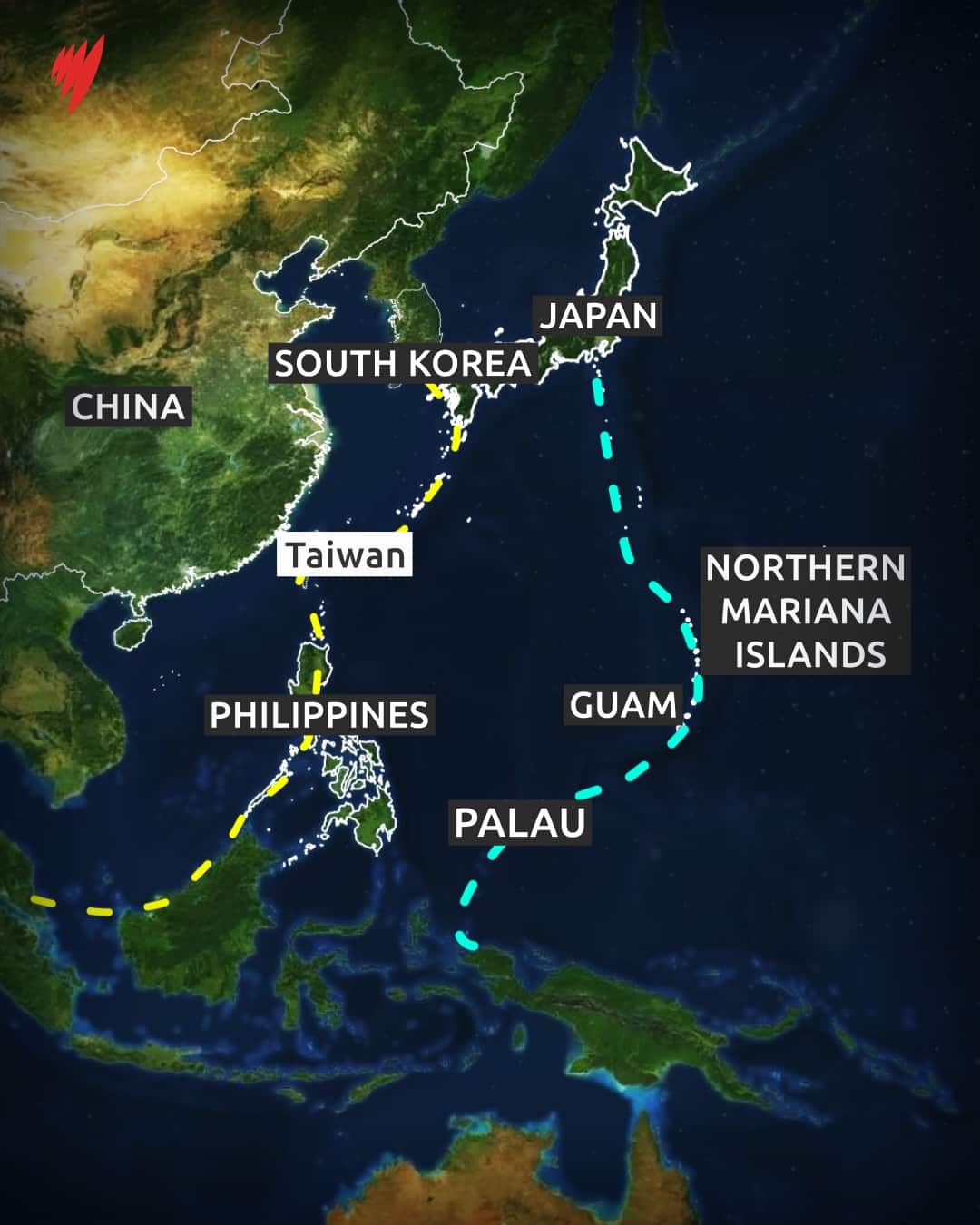
In May, during a speech to the Shangri-La Dialogue — Asia's premier defence summit held in Singapore — Hegseth warned of "China's historic military buildup" in the region.
The following month, the Palauan government complained to the Chinese government about a Chinese-flagged research vessel that allegedly entered Palau's Exclusive Economic Zone without warning.
The complaint alleged that "the vessel appeared to conduct questionable research-related activities without authorisation, activities that threaten Palau's national security and disregard its sovereignty and rules-based order".
China did not publicly respond to the complaint, but has previously defended similar actions as compliant with international maritime law.
Jodean Remengesau, a Palau-based expert with the Pacific Center for Island Security, says: "It seems like they're testing the waters."
"It's not as aggressive, but they're making their presence known," she tells SBS News.
Remengesau says the strategic competition between the US and China is shaping the security environment across the Pacific, including in Palau.
"We're in an oasis mindset. It seems like things these days are quite peaceful, but it'll impact us sooner or later," she says.
It's almost like the big elephant in the room that no-one wants to acknowledge.
Kambes Kesolei is a veteran Palau-based journalist and founder of the Compass Point Institute, the country's first locally established think tank.
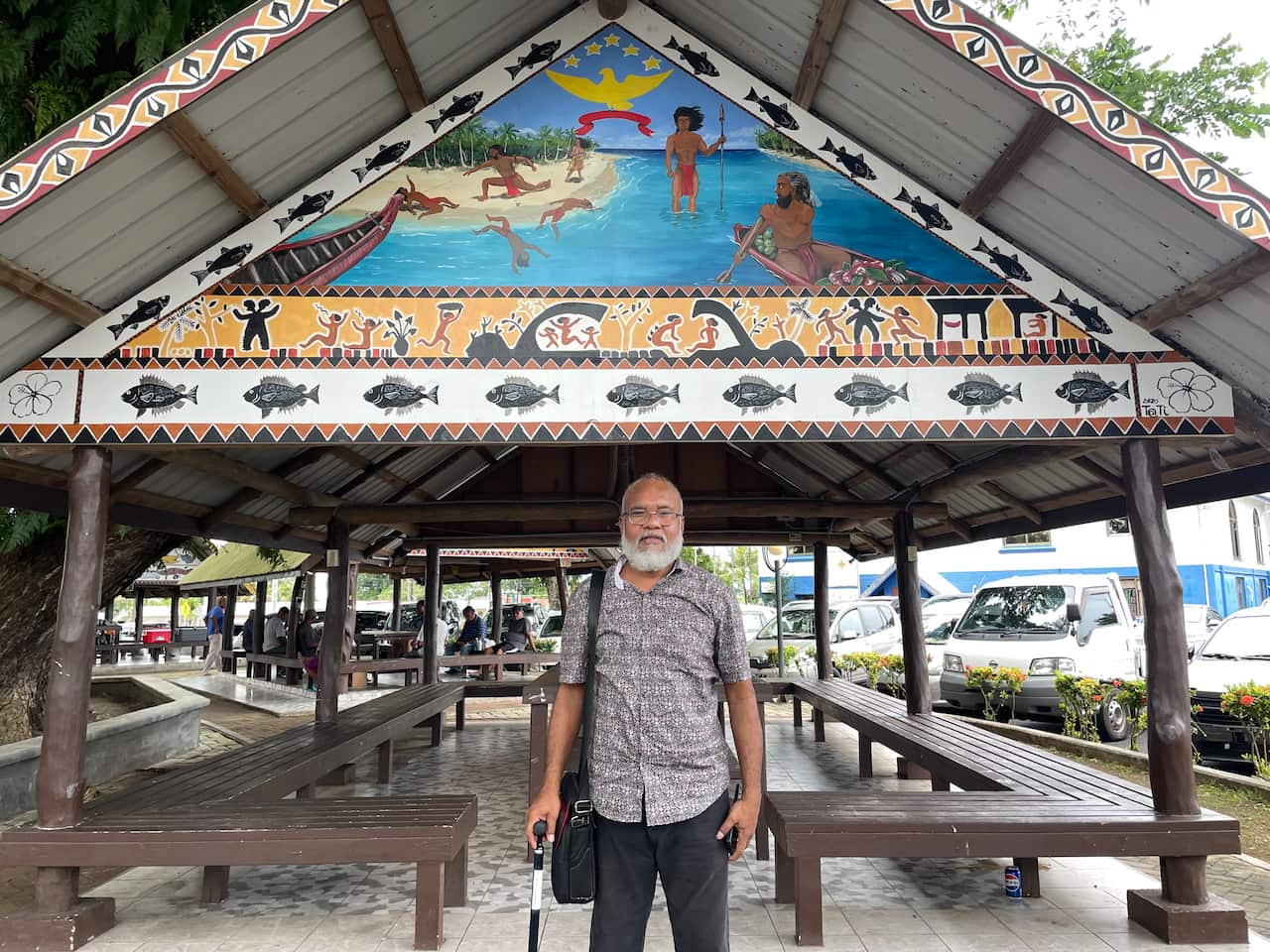
Kesolai says he's never seen this level of US military engagement since the COFA entered into force in 1994.
"Every time you put military installations in an area where there's high tension and geopolitical rivalry, you make yourself a target; you're in the crosshairs," Kesolei tells SBS News.
Palau's Taiwan dilemma
Palau is one of just three Pacific Island nations to recognise Taiwan as a sovereign nation.
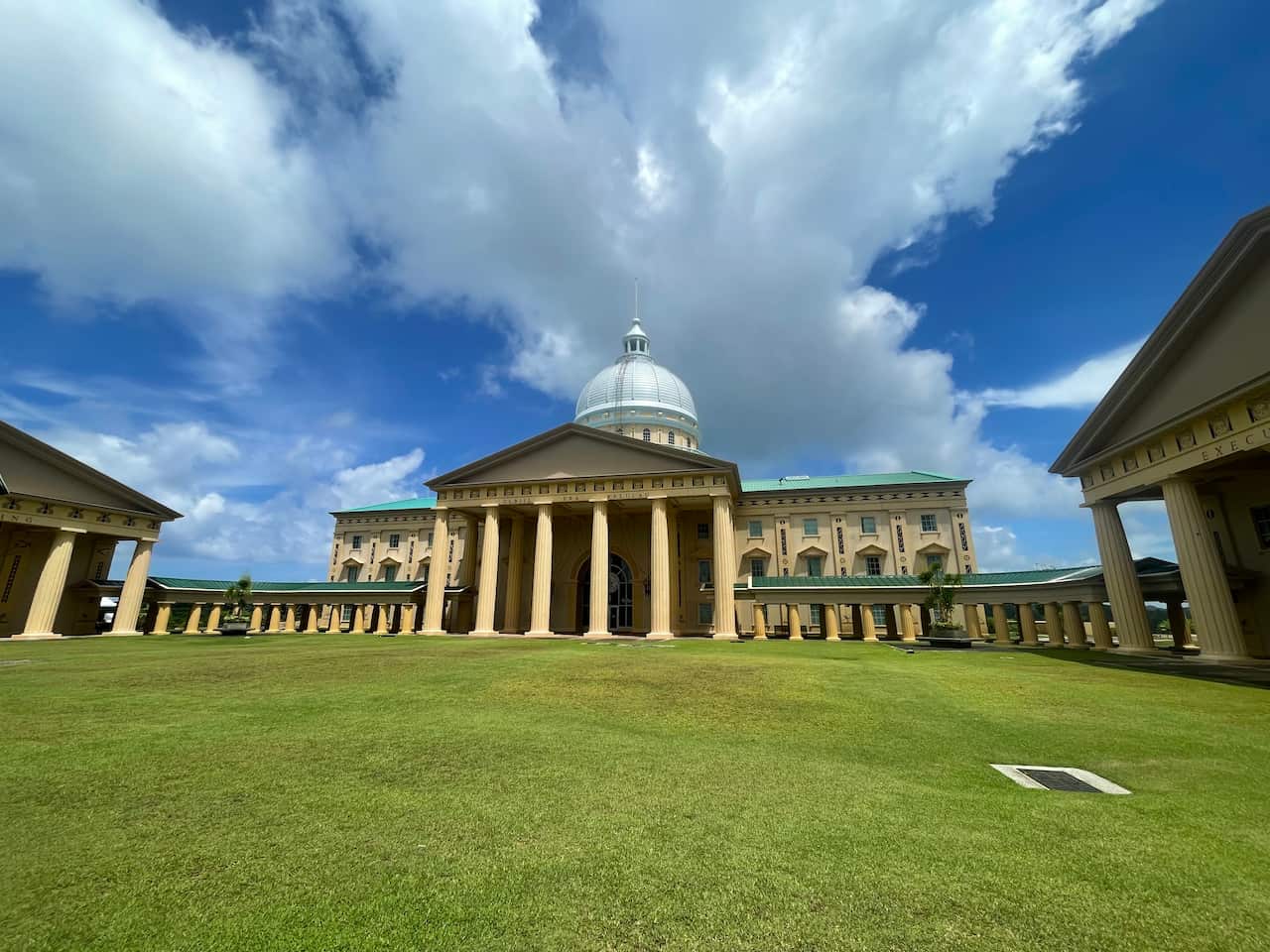
Across the country, SBS News observed several development projects jointly funded by Taiwan, including the government's main administrative office and its capital building in Ngerulmud.
US Army veteran and Palauan resident, Tutii Chilton, says tensions between Beijing and Washington over Taiwan have left Palau "between a rock and a hard place".
"This is not our issue. Palau doesn't have any enemies. Our only enemies are our friends' enemies," he tells SBS News.
Despite having served in the military, Chilton says he now has serious concerns about his country's growing closeness to the US.
"I respect the military, I was a veteran, and I believe in it. And yet, people forget about the target that is put on your back."
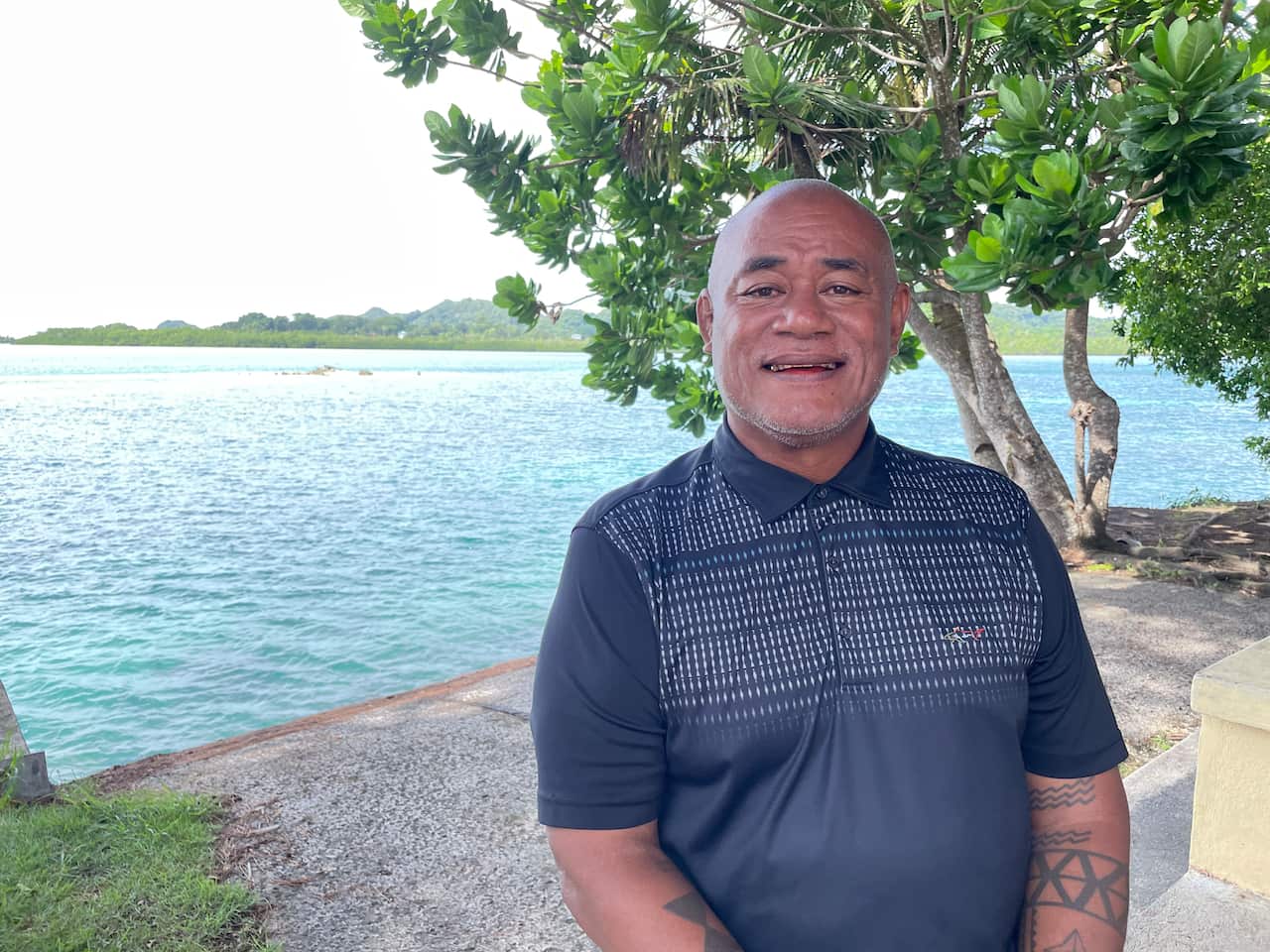
Chilton says the COFA means Palau has given the US significant responsibility over its defence and strategic affairs.
It's not democracy. It's profits, military expansion to hold on to profits, and businesses. That's the bottom line … it's still colonisation, 2026 style.
The US rejects the suggestion that the relationship is unequal, pointing to the compact's economic benefits, security arrangements and the voluntary service of many Palauans in the US military.
Asked whether he'd describe the relationship as "equal", Castro responds, "absolutely".
"The significance of the US-Palau partnership is definitely based on trust to maintain peace in the Pacific," he says.
The military also points out that Palauans serve in the US military at a higher rate per capita than any other nation, as well as most US states and territories, which it says "speaks volumes" about the relationship.
Former vice-president of Palau, Elias Camsek Chin, is another veteran with the US military. He served for 23 years across multiple continents and says the US presence in Palau has been a force for good.
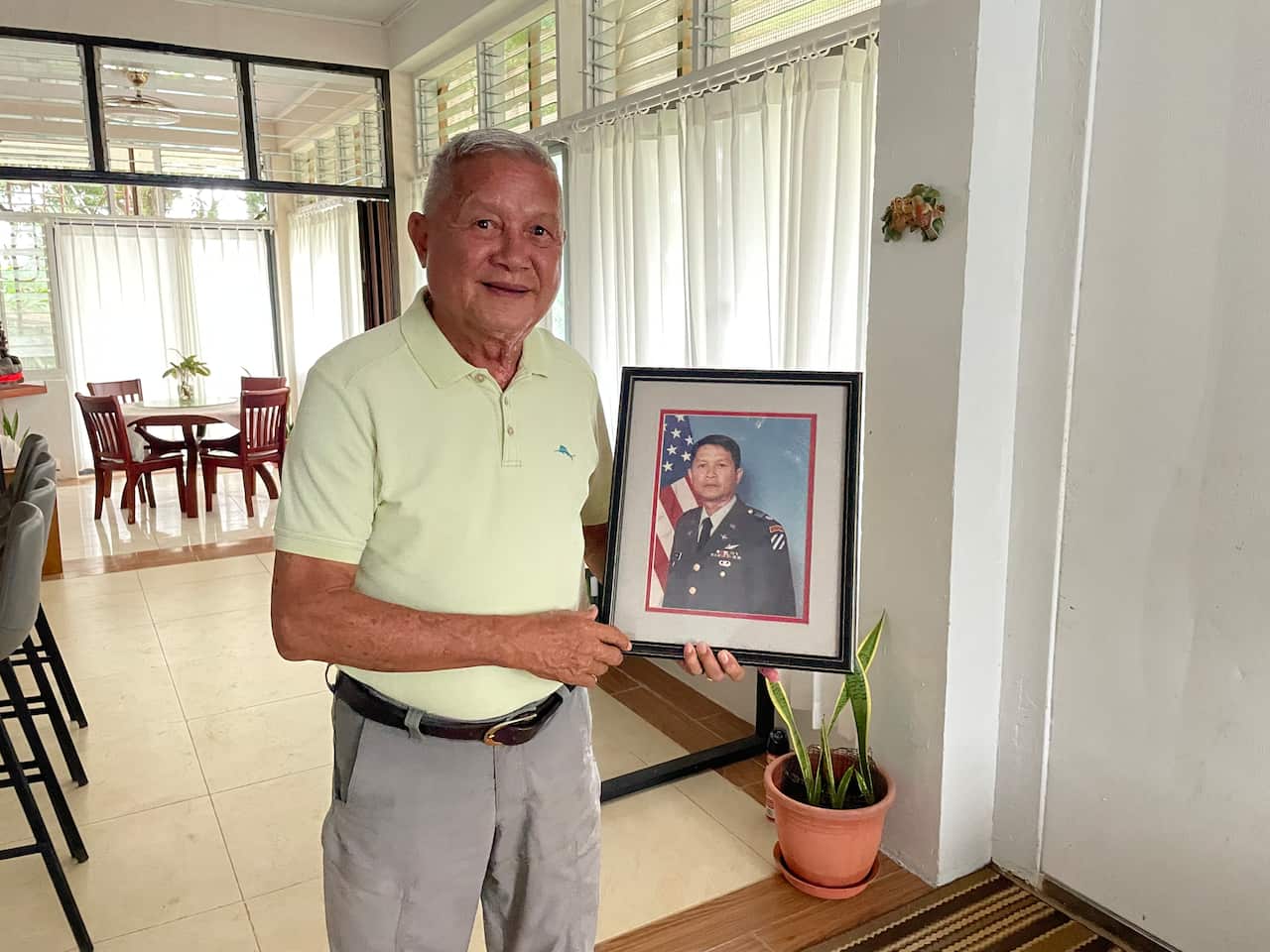
"The US has been trying to maintain peace throughout the world for a long, long time," the 77-year-old tells SBS News.
We don't have any enemies.
"It's the other countries that don't want to be friends with us."
'Deep concerns' from UN rapporteurs
Dior Imaim Ngiraboi and her fellow students submitted their complaint to the UN after interviewing residents across Palau through the community-based NGO Ebiil Society.
She says some residents described the lasting legacy of major World War Two battles, fought by US and Japanese forces on the southern island states of Peleliu and Angaur.
Unexploded ordnance from the conflict remains a safety issue in parts of Palau.
"When the military first came to Palau in World War Two, the damage was irreversible, and you can still see the effects to this day," she says.
"So, if that was then, what will happen now?"
In October, the students received a response from the group of UN-appointed Special Rapporteurs, expressing "deep concern" over reported breaches of Palau's environmental protection laws.
The UN Special Rapporteurs' response was based on the information provided in the complaint and did not constitute a legal finding against the US.
Castro says the military ensures compliance with local laws and environmental requirements.
"There are always concerns and inquiries regarding military construction projects, and we take that very seriously," he says.
But while military construction continues, Ngiraboi's activism goes on.
"I just hope they can take responsibility and proceed more with care, to be more considerate of the people and environment around them.
This is our life. They come to work. But this is our life, this is how we live. I want them to be able to respect it.
For the latest from SBS News, download our app and subscribe to our newsletter.







