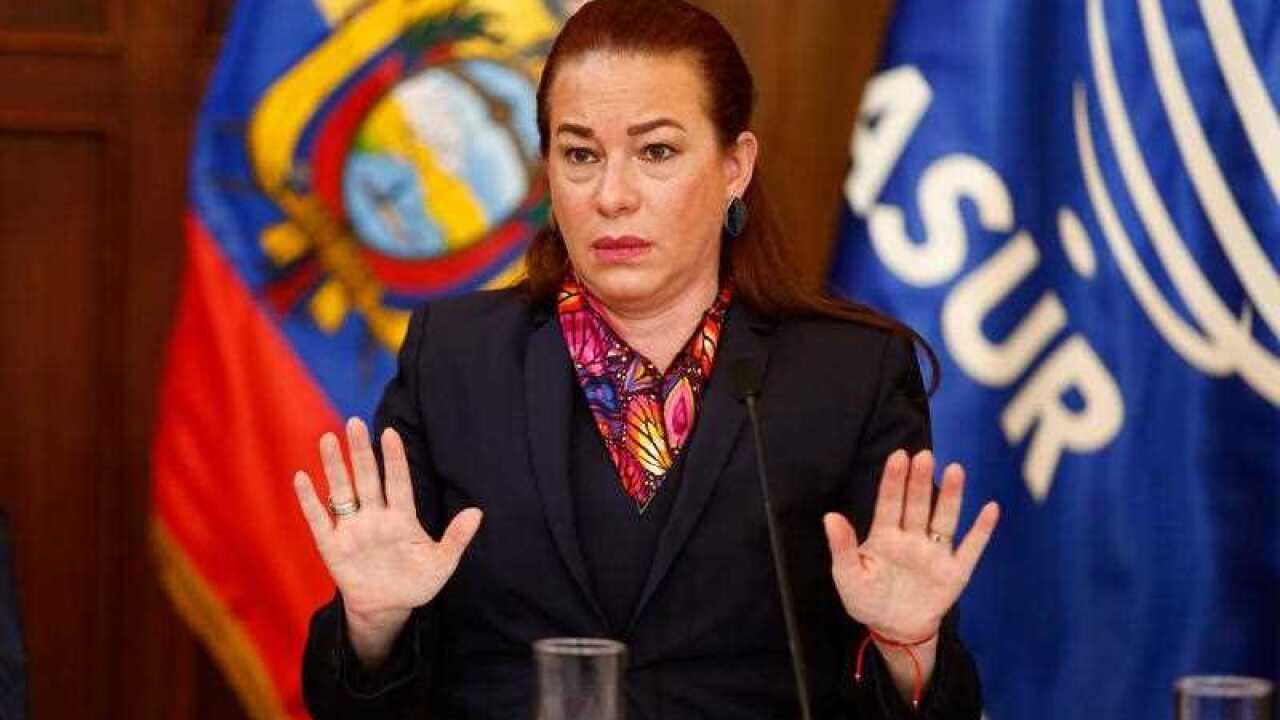
Women account for less than seven per cent of the world's leaders and 24 per cent of lawmakers, according to the latest statistics.
UN General Assembly President Maria Fernanda Espinosa told delegates to the Commission on the Status of Women that there has been a "serious regression" in the political power of women across the world in recent years.
According to statistics from the Inter-Parliamentary Union released last week, the percentage of female elected heads of state dropped from 7.2 per cent to 6.6 per cent - 10 out of 153 - from 2017 to 2018.
The percentage of female heads of government dropped from 5.7 per cent to 5.2 per cent - 10 out of 193 - in the same period.
News that makes sense
Your trusted source for staying up-to-date with the world around you. Get free daily news updates and analysis, straight to your inbox.
"Despite some positive movement, the overwhelming majority of government leaders remain male," said Gabriela Cuevas Barron, head of the Inter-Parliamentary Union.
In parliaments, the global share of women increased by nearly one percentage point from 2017 to 2018, to 24.3 per cent.
"That's why we believe we need to encourage parliaments to have affirmative action," Cuevas said.
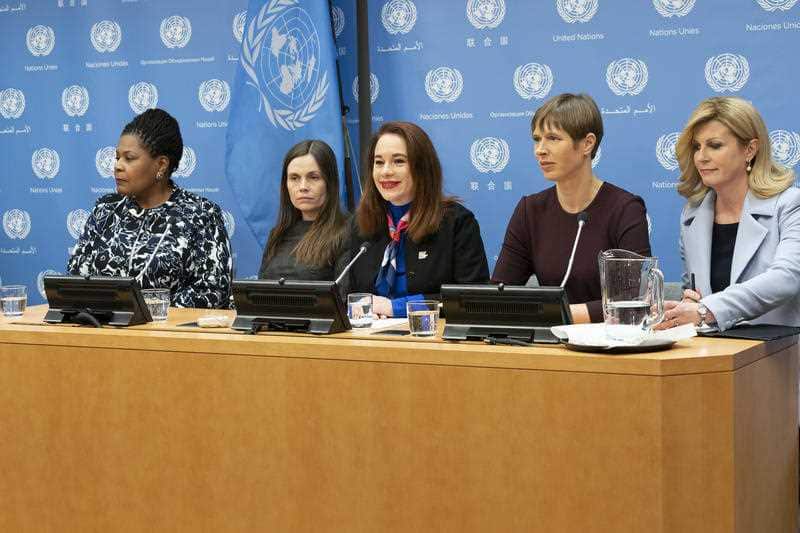
Phumzile Mlambo-Ngcuka, the executive director of UN Women, called the current environment "not the most enabling for women to rise".
"We also have pushback right now, which contributes to the slowing down of women wanting to contest for office, because it is brutal," she said.
Female candidates and politicians in many countries face political violence, verbal and social media abuse, Mlambo-Ngcuka said.
Women must be "change-makers" because national and global institutions were "made for men and by men", she said.







