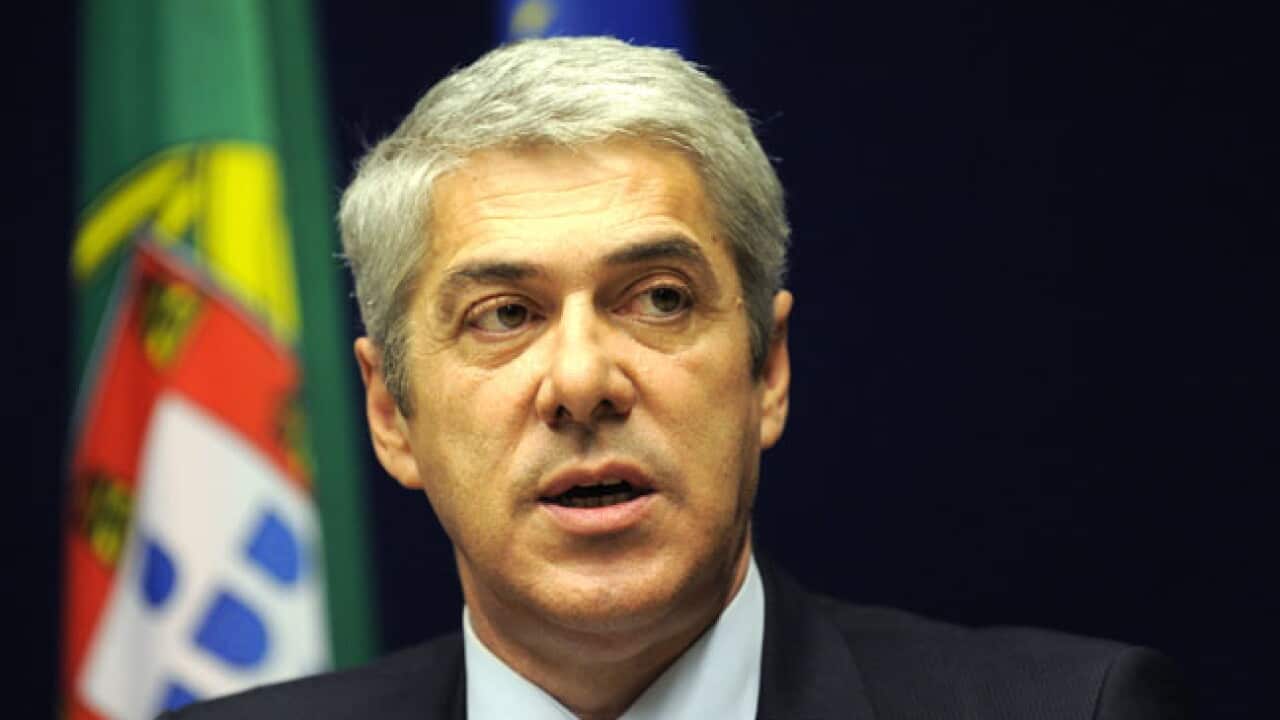
Outgoing Portuguese Prime Minister Jose Socrates on Sunday quit the leadership of the Socialist Party after it lost an early general election to the centre-right Social Democrats.
"This defeat is entirely mine and I want to assume full responsibility for it," he said in an address to party supporters in Lisbon.
"I feel it is necessary to open a new political cycle that is able to prepare a consistent alternative. I want to give the Socialist Party the space to discuss its future and select a new leadership."
News that makes sense
Your trusted source for staying up-to-date with the world around you. Get free daily news updates and analysis, straight to your inbox.
The Social Democrats (PSD) captured 40.6 percent of the vote compared to 28.5 percent for the Socialists, who have been in power since 2005, preliminary official results showed with 80 percent of electoral districts counted.
"We may have lost today but we have no reason to fear the judgement of history. We have walked a long road together. I don't know what more we could have done to win these elections," said Socrates.
The early election was triggered by Socrates' resignation at the end of March after the parliamentary opposition, led by the PSD, rejected his minority government's fourth austerity package in just under a year.
Two weeks later Portugal became the third eurozone nation after Greece and Ireland to request an international bailout.
Socrates, 53, argues he did everything to avoid a bailout. He blames the PSD, which had backed previous fiscal tightening, for provoking a political crisis just to topple the government "out of a greed for power."
Elected leader of the Socialists in 2004, just one year later he led the party to its first majority in parliament.
Despite the opposition to his austerity measures, he managed to be re-elected in the September 2009 general election, in the midst of the global economic downturn, but he did not get a majority in parliament.







