Australia's flag carrier Qantas said it would slash capacity and management jobs to cope with the impact of rising fuel costs and a series of natural disasters.
"The significant and sustained increases in the price of fuel is the most serious challenge Qantas has faced since the global financial crisis," chief executive Alan Joyce said.
"There has never been a time when the world faced so many natural disasters, all of which have come at a significant financial cost to the Qantas group," he added.
News that makes sense
Your trusted source for staying up-to-date with the world around you. Get free daily news updates and analysis, straight to your inbox.
Massive flooding and cyclones in northern Australia had cost Qantas Aus$80 million ($82.5 million), and the devastating earthquake and tsunami in Japan delivered a $45 million hit.
New Zealand's killer earthquake last month wiped another $15 million off the airline's bottom line, Joyce said.
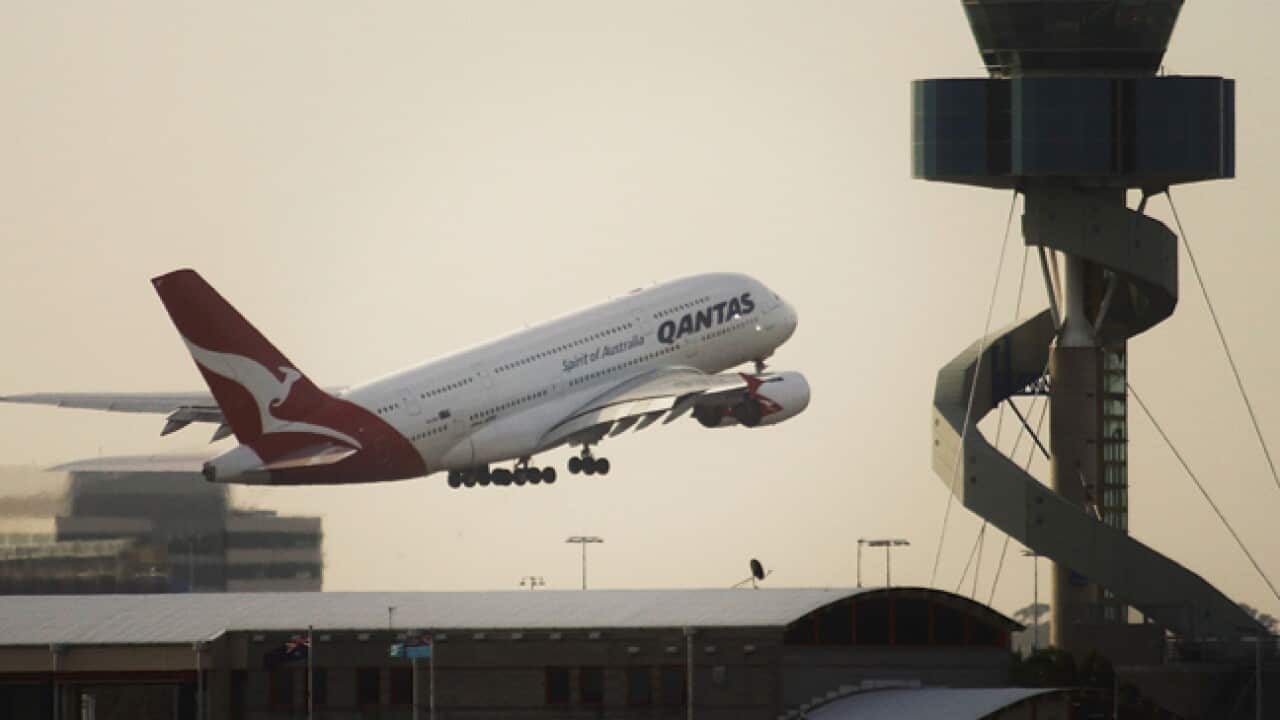
In addition, the midair explosion of an Airbus 380 engine last November and subsequent grounding of Qantas's superjumbo fleet was expected to cost the carrier $80 million in the 2011 financial year, he added.
The string of crises came as Singapore jet fuel surged almost 50 percent from US$88 a barrel to US$131 a barrel, with Qantas estimating second-half fuel costs at Aus$2 billion.
"We need to act decisively to respond to rising fuel costs and natural disasters, just like we did during the global financial crisis, to ensure the ongoing sustainability of our business," Joyce said in a statement.
Qantas' domestic and international capacity would be slashed and services to Japan either suspended or downsized, while flights to New Zealand's earthquake-hit Christchurch will also be reduced in a bid to cut costs.
Management positions will be trimmed and two ageing Boeing 767 jets will be retired early, the airline said.
Australia's national airline, Qantas posted a four-fold increase in half-year net profits to Aus$241 million for the six months to December 2010, despite the A380 superjumbo scare that sent shudders through the industry.
The carrier hiked airfares and other charges earlier this year in response to rising fuel costs but said it would not be able to recover "the full impact of current and forecast fuel prices."
Qantas is already facing strike action over wages and the use of cheaper contract workers, with about 9,000 employees including pilots, refuellers, baggage and transport staff and engineers threatening to walk off the job.
Staff want a four percent pay rise with additional superannuation payments, as well as job security clauses.







