In Brief
- More than 130,000 people have been displaced in Yemen since the start of September amid escalating fighting.
- UNHCR says its response is severely underfunded and is calling for greater humanitarian support from Australia.
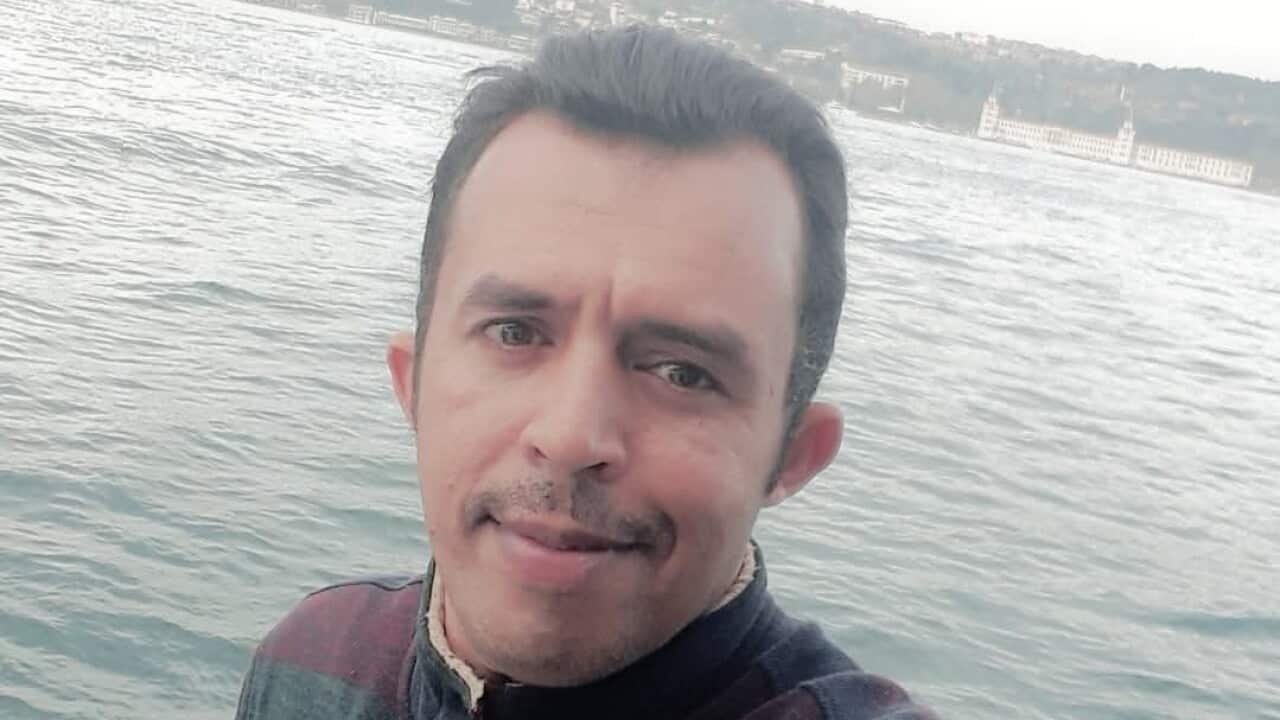
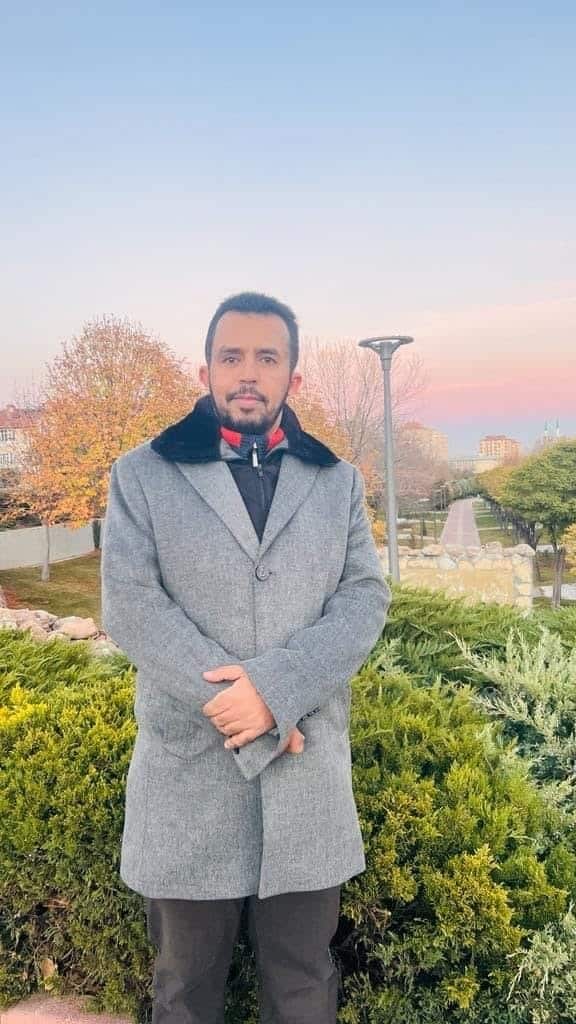
For 16 years, Qazwan Tarbosh has waited for the chance to hug his parents again.
The Yemeni Australian has travelled from Australia as far as Türkiye, but the newly-reignited war in Yemen has prevented him from returning there to see his mother and father, now both in their 70s.
As fighting intensifies across Yemen, Tarbosh says his fear isn't just about when he might see them, but if he will get the chance again.
"I worry that I lose my mum or my father, or any one of my parents before I see them for the last time," he told SBS News.
"I want to see them before I lose them."
News that makes sense
Your trusted source for staying up-to-date with the world around you. Get free daily news updates and analysis, straight to your inbox.
More than 130,000 people have been forced from their homes in Yemen since the beginning of September, according to the United Nations Refugee Agency, as fighting expands across multiple fronts.
The war has sharply escalated this month, with a major Houthi offensive to capture strategic territory along the Red Sea coast collapsing the 2022 ceasefire and triggering intense ground battles, retaliatory Saudi airstrikes and Houthi missile attacks.
UNHCR warns the number of internally displaced people could climb above 230,000.
Thousands more have crossed the Red Sea towards Djibouti and other parts of the Horn of Africa, with the UN warning those numbers could also rise significantly.
'Very, very tired from the war'
Most of Tarbosh's family remains in and around Taiz, one of the areas heavily affected by renewed fighting and displacement.
His parents live in a valley outside the city, where he says deteriorating roads, checkpoints and insecurity have made journeys that once took an hour stretch to as long as 10.
He worries whether they can access food, clean water and medicine.
"They are very, very tired from the war," Tarbosh said.
"They want this war to stop. They want peace. They want safety. They want to see me. They want to hug me."
Tarbosh said speaking to his mother can be so distressing that he sometimes limits contact, despite worrying when he doesn't hear from his family.
"When I always contact them, I get sad. It affects me here. It makes me not sleep," he said.
"But I need to contact them at the same time."
He sends money when he can, sometimes borrowing from friends to help support relatives struggling with the rising cost and scarcity of basic necessities.
His sister, a doctor, is treating people in Yemen and at times provides care free of charge to those unable to pay.
Crisis changing 'very quickly'
Australia for UNHCR chief executive Trudi Mitchell told SBS News that humanitarian agencies were responding to a rapidly deteriorating situation.
"It's a really complex situation. There's live conflict happening across multiple fronts. Things are changing very quickly," she said.
UNHCR told SBS around 3,000 people have already fled across the Red Sea, while projections suggest as many as 10,000 could make the journey if fighting continues and sea conditions allow.
"I'm hearing about women and children taking perilous journeys across the Red Sea ... in fear of their lives," she said.
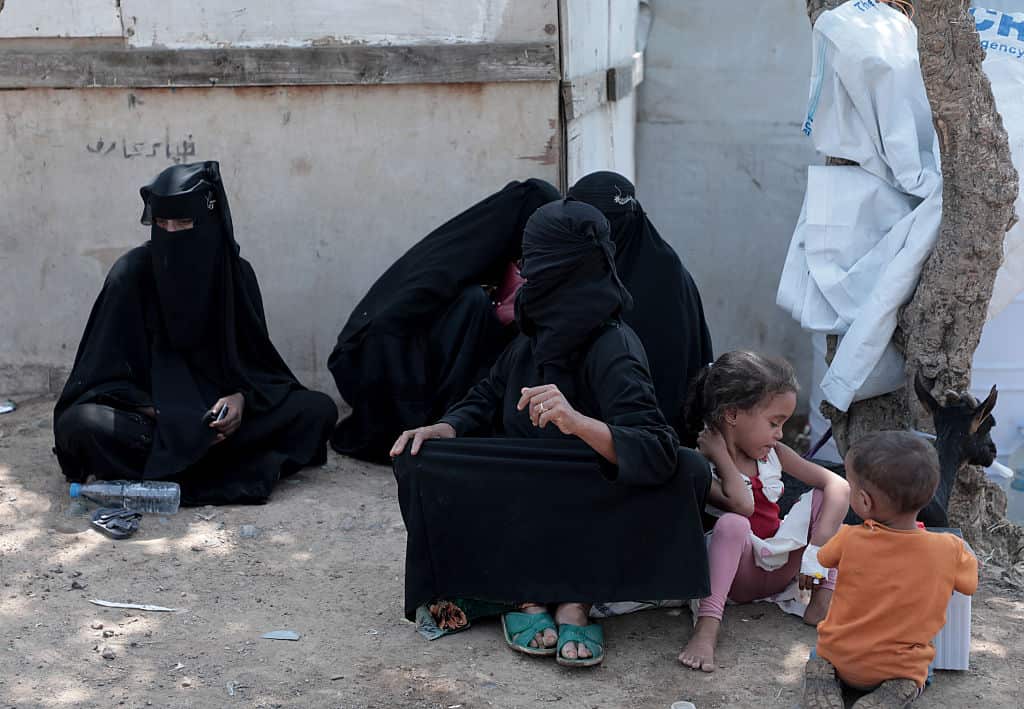
UNHCR is scaling up its response inside Yemen, drawing on emergency stockpiles to provide shelter materials, bedding, solar lamps, cash assistance and protection services.
But the agency says the operation remains critically underfunded. Recent UNHCR figures show its Yemen response has received less than 20 per cent of the funding required, with tens of millions of US dollars still needed for immediate assistance.
Why fighting has intensified in Yemen
Yemen has been mired in civil war for more than a decade, after the Iran-backed Houthi movement seized the capital Sanaa in late 2014 and forced the internationally recognised government from power.
A Saudi-led coalition intervened the following year, beginning years of conflict that created one of the world's worst humanitarian crises.
A UN-brokered truce in 2022 largely reduced fighting, but Yemen is now facing its most serious threat of a return to large-scale war in years.
The Houthis control Sanaa and much of northern Yemen, while the internationally recognised Presidential Leadership Council is based in the southern port city of Aden.
Recent fighting has intensified across several fronts, including Taiz, Marib and Yemen's western coast.
On 10 September, Houthi forces seized the strategic port city of Mocha, bringing them closer to the Bab el-Mandeb Strait, a major shipping route connecting the Red Sea with the Gulf of Aden.
The escalation comes amid the wider regional conflict involving Iran, with the Houthis also launching attacks linked to Tehran's confrontation with Israel, and increasing pressure on shipping routes through the Red Sea.
The renewed violence has fuelled further displacement inside Yemen, adding to a humanitarian crisis that has already left millions dependent on aid.
Calls for more support from Australia
Mitchell said additional support from Australia would allow humanitarian agencies to reach more people.
"This is where we do look to Australia to support the humanitarian aid needs," she said.
"The situation for UNHCR right now is really underfunded, so we do need support to be able to provide humanitarian aid."
Asked whether the federal government could provide more assistance, Mitchell said UNHCR would welcome further support.
"So many people are in dire need of help, and the more support we get, the more people that we're able to help."
For Tarbosh, the appeal is both personal and broader.
He wants the Australian government to support humanitarian assistance and use its diplomatic influence to encourage a negotiated end to the fighting.
"We don't want to fight," he said. "We want all Yemenis to come together and love each other and no fighting."
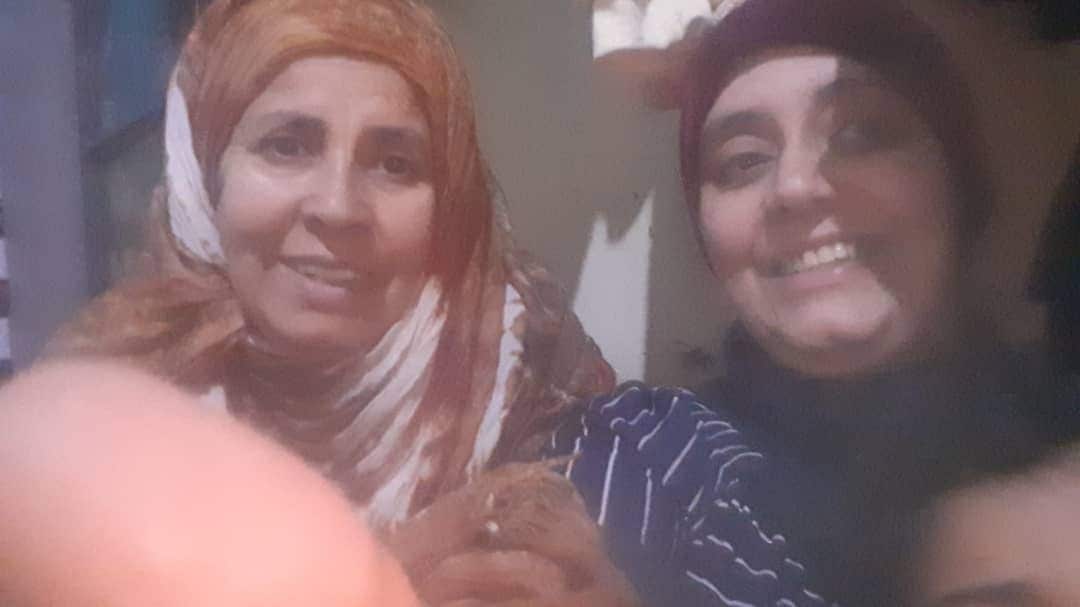
And while he hopes his own parents and sister may one day be able to come to Australia, Tarbosh says his concern extends beyond his family.
"I'm not only caring about my family," he said.
"I care about all Yemenis there. All Yemeni people, they are all my family as well," he said.
For the latest from SBS News, download our app and subscribe to our newsletter.







