China's Ministry of Environmental Protection said in a statement that monitoring stations in coastal areas from Shanghai in the east to the southern region of Guangxi had detected very small doses of iodine-131, a radioactive material, on Monday.
The same radioactive material was found in the air above the northeastern province of Heilongjiang over the weekend in tiny amounts.
News that makes sense
Your trusted source for staying up-to-date with the world around you. Get free daily news updates and analysis, straight to your inbox.
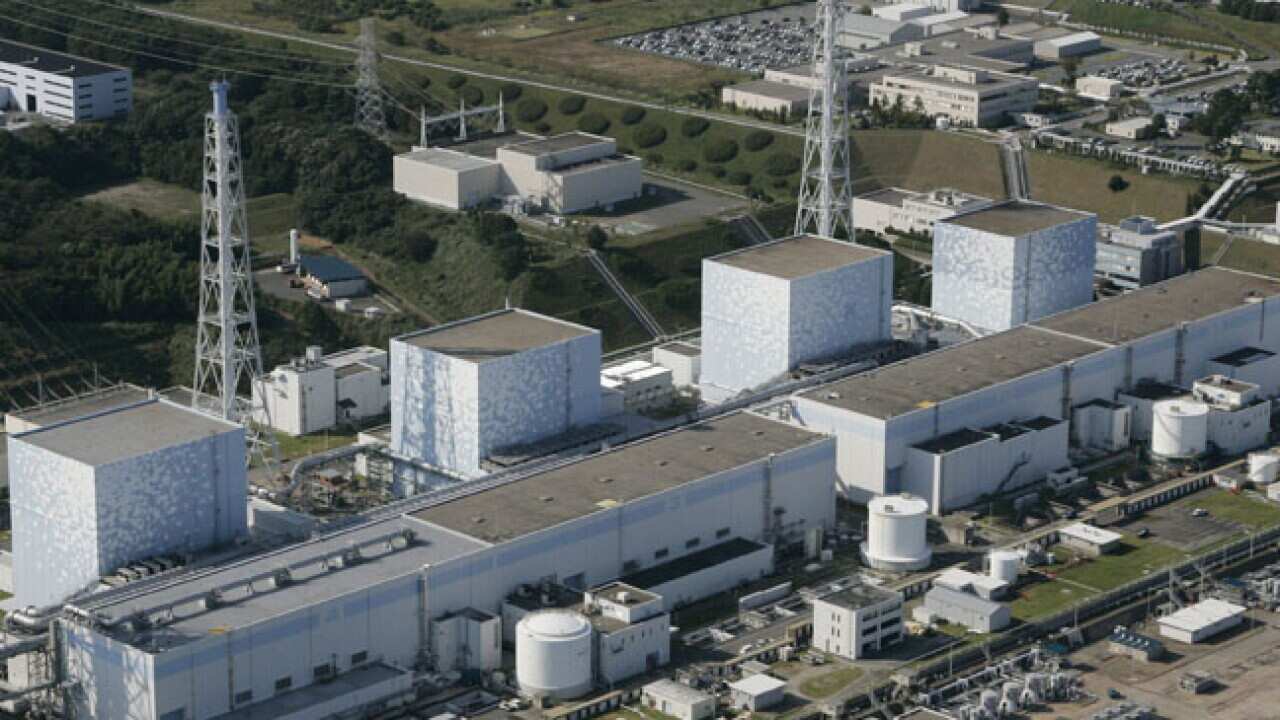
The ministry said that in both cases the radioactive iodine came from the Fukushima nuclear plant on Japan's eastern coast, damaged by the March 11 quake and ensuing tsunami that left more than 28,000 people dead or missing.
But it added that no preventative measures were necessary as the radiation dose was too weak to pose a danger, in the statement released late Monday.
The atomic crisis in Japan has caused concern in neighbouring China, and even sparked panic-buying of salt nationwide as consumers mistakenly believed that the iodine it contained could protect against radiation poisoning.
The government has banned imports of several food products from Japan and stepped up checks on a host of other goods amid fears of radiation contamination.
The ban was announced after the country's safety watchdog reported finding elevated radiation levels on two Japanese travellers after they arrived in eastern China from Tokyo. They were hospitalised but later discharged.
China's health ministry has also ordered authorities in 14 areas including Beijing and Shanghai to test drinking water and food for radiation, the official China Daily newspaper reported Tuesday.
Radioactive material detected in South Korea
Also South Korean authorities have said traces of radioactive iodine have been found in Seoul following the nuclear crisis in Japan, adding the country had begun testing fish caught in its own waters.
The Korea Institute of Nuclear Safety said it had detected traces of iodine-131 in Seoul and seven other places across South Korea.
The institute said in a statement the amount was so small that there was no immediate risk to public health or the environment.
South Korea has since Friday been screening fish caught in its own waters for possible radiation contamination, agriculture ministry officials said Tuesday.
Fish including mackerel and hair tail are being tested for caesium, iodine and other radioactive materials, they said.
"No trace of radiation has been found so far either in our own fish or those imported from Japan," a ministry official said.
The government is currently testing fish once a week but will increase the frequency if Japan's nuclear crisis worsens, he said.







