Upper Murray and central Riverina farmers are counting the cost of one of their worst floods in decades.
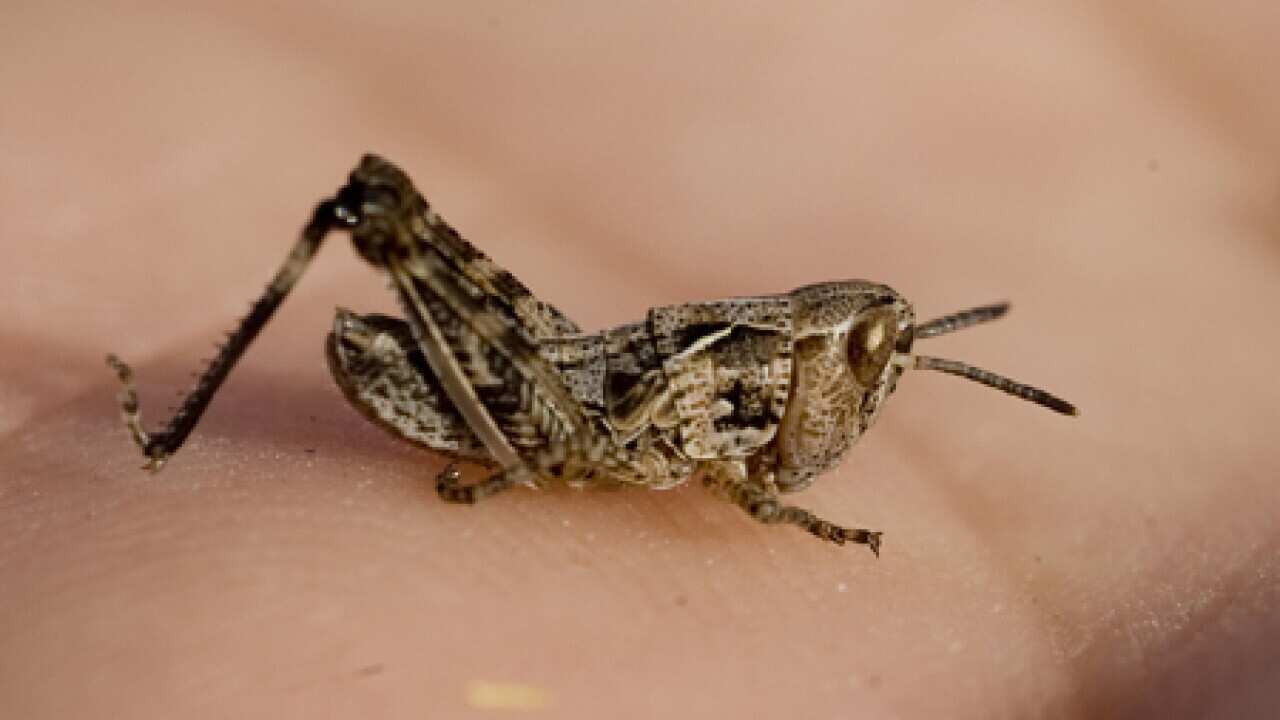
The deluge halted efforts to control what is expected to be the Australia's biggest locust plague in generations, grounding aircraft for aerial surveillance and spraying.
News that makes sense
Your trusted source for staying up-to-date with the world around you. Get free daily news updates and analysis, straight to your inbox.
Large areas of southern NSW and areas of northern Victoria are now inaccessible for ground surveillance.
The Australian Plague Locust Commission expects intensified locust activity as the weather improves over the coming two weeks and is urging landowners to be vigilant.
Director Chris Adriaansen said locusts would be grouping into bands and growing more quickly than normal.
"The locusts will resume their normal rate of development and in fact will pick up on some of the slowed development that they've experienced over the past week to 10 days," he said.
The speedier development of the insects means the window to control them, which is easiest when they are in bands on the ground and not yet on the wing, will be smaller than the normal four to five weeks.







