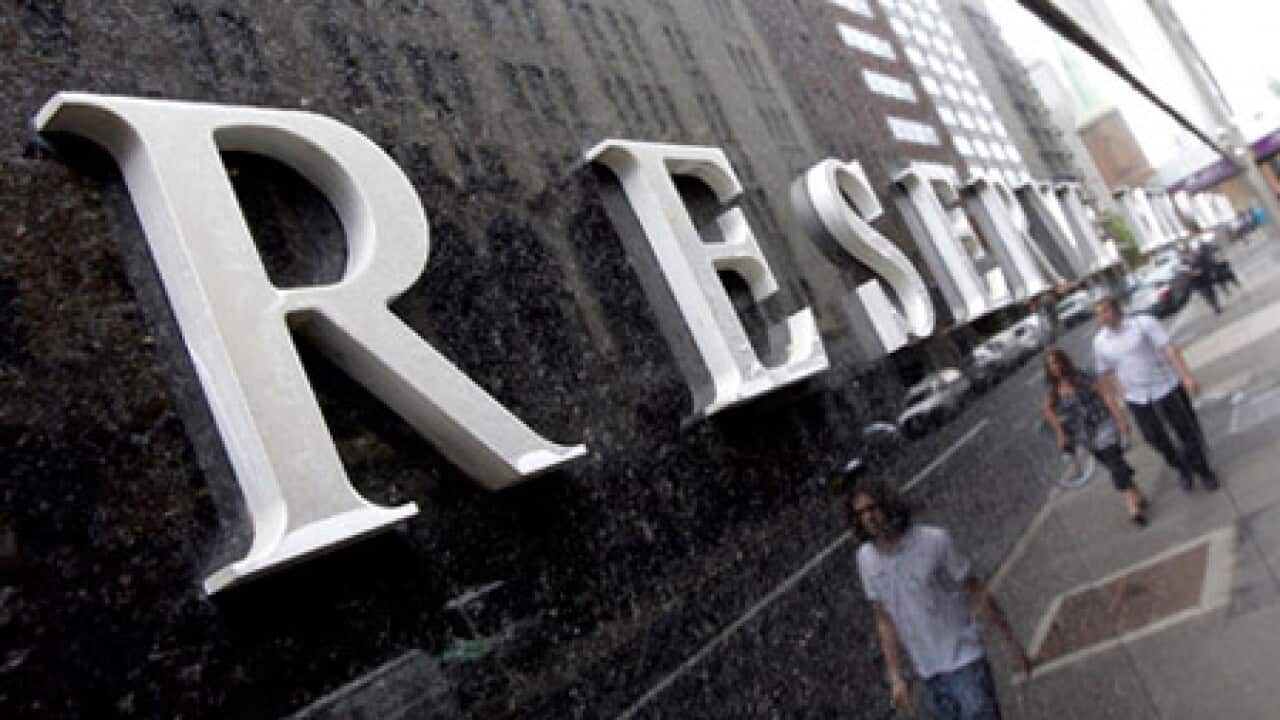
Herston Economics chief economist Clifford Bennett says if the Reserve Bank of Australia (RBA) raises the cash rate to five per cent by year's end, the economy would "grind to a standstill".
The current cash rate is 4.25 per cent, after the RBA lifted the rate by a quarter of a percentage point on Tuesday in an effort to further rein in expansionary pressures.
News that makes sense
Your trusted source for staying up-to-date with the world around you. Get free daily news updates and analysis, straight to your inbox.
It was the fifth monthly interest rate rise by the central bank since October last year.
"If the cash rate gets to five per cent ... the domestic economy will grind to a standstill," Mr Bennett said.
"The only thing that's going to be impacted by higher rates are struggling Australian families.
"We're seeing in the Sydney press examples of them having to choose between buying groceries and paying their electricity bill and the added burden from the RBA is completely unwarranted, unnecessary and unwanted."
RBA statement
RBA governor Glenn Stevens said in a statement on Tuesday it was appropriate to raise the cash rate towards its long-run average given that "the risk of serious economic contraction in Australia having passed some time ago".
Most economists say the average long-run cash rate is around five per cent.
Nomura Australia economist Stephen Roberts said rising interest rates meant consumers were paying a greater proportion of their income in servicing debt.
Data compiled by the central bank showed that when the cash rate was 3.75 per cent at the and of the December quarter of 2009, the average household was paying more than 10 per cent of its income, minus taxes and some other regular payments, on interest payments.
When the cash rate topped 18 per cent in December 1989, the average household was spending just under nine per cent of its income on interest payments.
The figures also show that in December quarter of 1989, household debt was slightly less than half household yearly income.
Twenty years later it was equal to one and a half times an average household's yearly income.
"That data is from fourth quarter (2009) and you have to remember we've had two more interest rate rises already," Mr Roberts said.
Lowering interest rates would help
He said a lower interest rate of 3.75 per cent to four per cent would be more appropriate given the current difference between the cash rate and the interest rates of major lenders.
Official economic data now points to a slowing economy, with building approvals, employment and retail sales data for March all coming in under market expectations.
Mr Bennett said the data suggested Australia's economic performance post the global financial crisis was weaker than first thought.
"When you look at the domestic economy, there are patchy elements," he said.
"There are storm clouds on the horizon."







