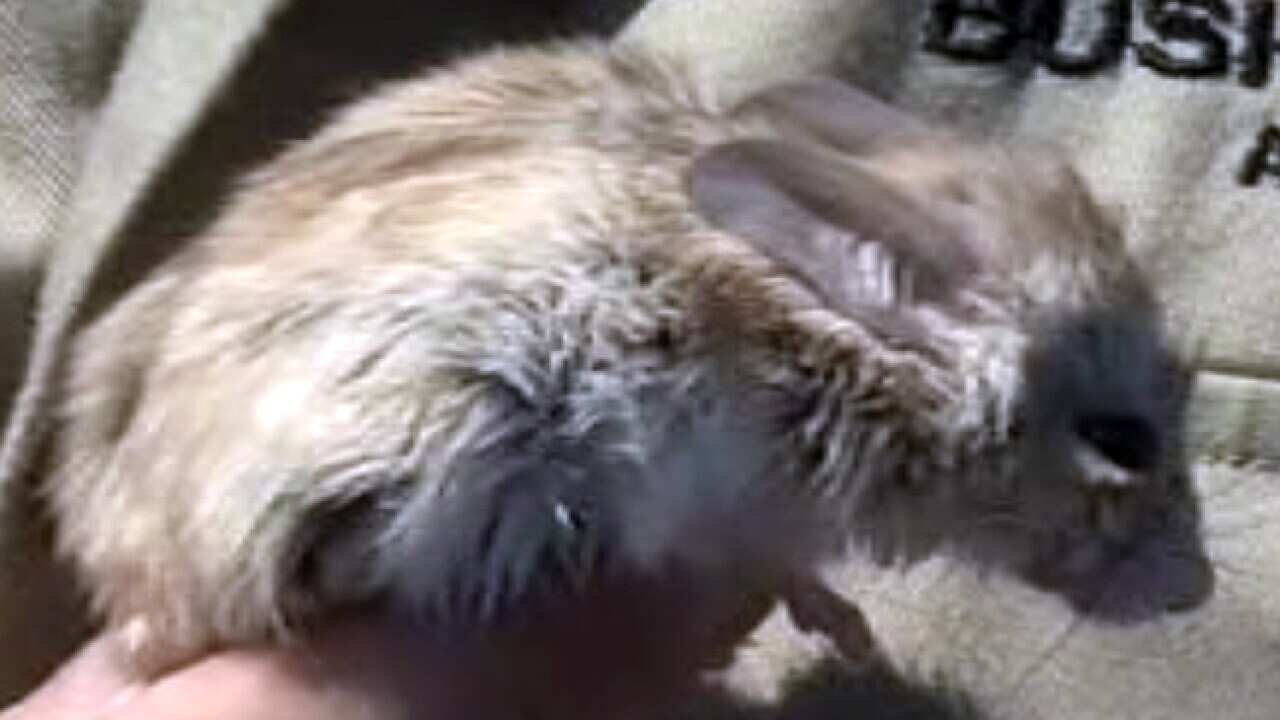
Australia holds the kind of world record it could well do without - the country with the greatest number of animal extinctions since the beginning of the 19th century.
But Bush Heritage Australia, a non-profit organisation, thinks it's slowing - and in some cases even reversing - the trend.
SBS Reporter Karen Ashford travelled to Boolcoomatta Reserve, in outback South Australia, to take a closer look
News that makes sense
Your trusted source for staying up-to-date with the world around you. Get free daily news updates and analysis, straight to your inbox.
The Reserve, not far from Broken Hill, was bought five years ago by Bush Heritage.
In 20 years its network of private reserves has grown to nearly one million hectares and it hopes to add 6 million more by 2025.
"Private conservation is absolutely critical because government's can't or won't be able to act in the space that we are able to act in. We can work in many ways more responsively, more nimbly," says Doug Humann, Bush Heritage CEO.
Catch and release surveys show 73 animals have been brought back from the brink of extinction, and more than 800 others given safe homes.
Boolcamatta's neighbours say drought breaking rains mean species are bouncing back everywhere and that special conservation measures aren't necessary.
Greg Treloar at Yarramba Station is concerned productive land is being wasted.
"Boolcamatta was a really productive sheep station and it was for well over 100 years, and Bush Heritage has come along and taken it over and turned it into a park, which has been of no benefit to the community and also it's not producing," Mr Treloar says.
Bush Heritage says the world is on the brink of its sixth mass extinction event, this time man made, and its target is to protect one per cent of Australia.
But David Paton says private conservation tends to focus on relatively healthy habitats, and more effort is needed for the tougher job of restoring damaged land.
The Federal Government is working with the states and territories to set a national framework for biodiversity conservation over the next decade.







