In brief
- Melanoma pathologist Richard Scolyer has died aged 59.
- Scolyer's research, with Professor Georgina Long, transformed melanoma from a death sentence to largely curable.
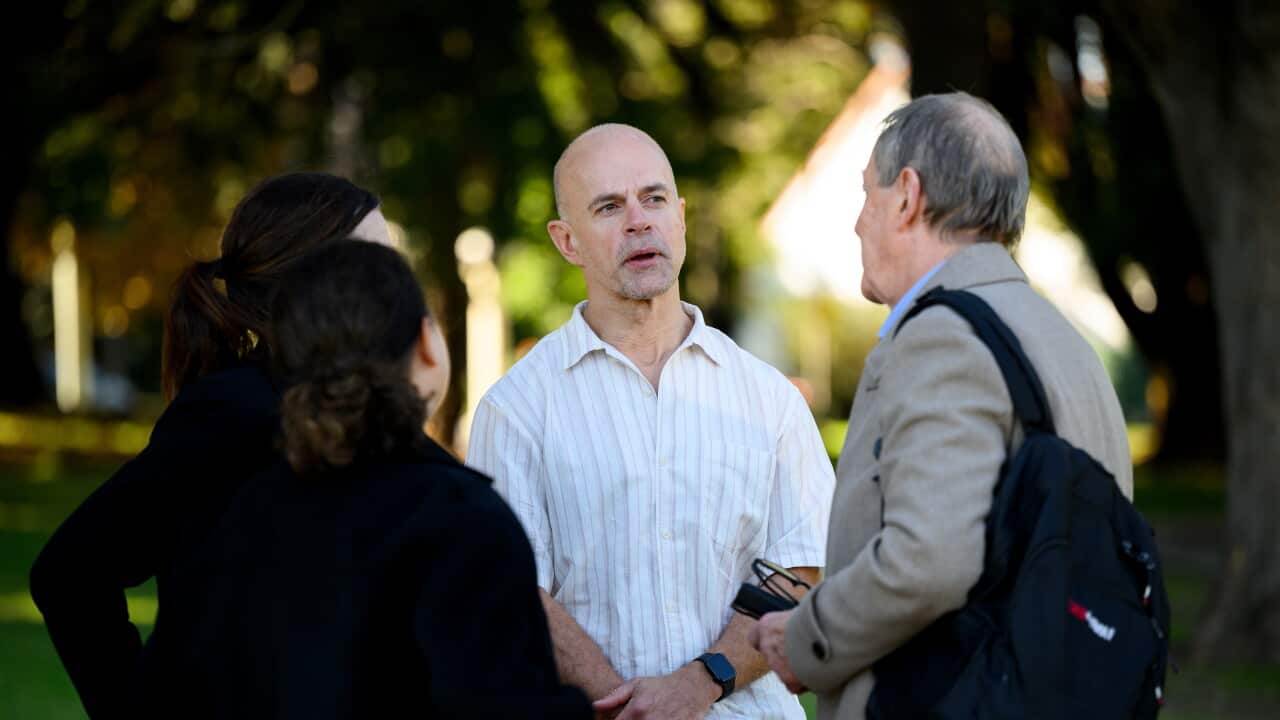
Prime Minister Anthony Albanese has led tributes to world-renowned melanoma pathologist Richard Scolyer, describing him as a "truly remarkable man" and announcing that a state funeral would be held.
Scolyer, the 2024 Australian of the Year, died Sunday aged 59, three years after being diagnosed with brain cancer.
His groundbreaking skin cancer research helped save thousands of lives, and he applied the same immunotherapy principles to his own disease, initiating new research into treatment.
On Monday, Albanese remembered Scolyer as a "personal friend" whom he had first met as a neighbour in Sydney's inner-west.
"Australia has lost one of our brightest lights and our biggest hearts," he said.
News that makes sense
Your trusted source for staying up-to-date with the world around you. Get free daily news updates and analysis, straight to your inbox.
"The world is a better place because of Richard's contribution."
He said Scolyer took his place in the national spotlight with determination and purpose as he publicly dealt with his diagnosis.
"The cancer specialist who became his own subject, professor Scolyer walked his uncertain path, as he called it, with courage, determination, grace, and his legacy will always be with us," he said.
Albanese said he spoke with Scolyer's wife, Dr Katie Nicholl, who had accepted an offer of a state funeral.
In a statement on the family's behalf, Scolyer's brother-in-law, Charlie Nicholl, described the researcher as "talented, passionate, selfless, and loyal".
"His family meant everything to him, and his passing has left a big hole in our lives," he said.
"Richard lived his life committed to science, medicine, and his world-leading research in fighting melanoma. He was an exceptional communicator and one of the world's leading experts in his field, travelling the globe to share his work and push the research forward."
Along with professor Georgina Long, Scolyer took the disease from being a death sentence to largely curable through treatment that activates a patient's own immune system, bringing hope and healing to many.
Born in Tasmania, Scolyer was diagnosed with an incurable and aggressive stage four brain cancer named glioblastoma in June 2023 and given just six to eight months to live.
Scolyer undertook a world-first experimental treatment based on his and Long's melanoma research, despite the risk it could cut life even shorter.
Immunotherapy before surgery to remove the tumour and a personalised vaccine helped stave off the disease for almost two years.
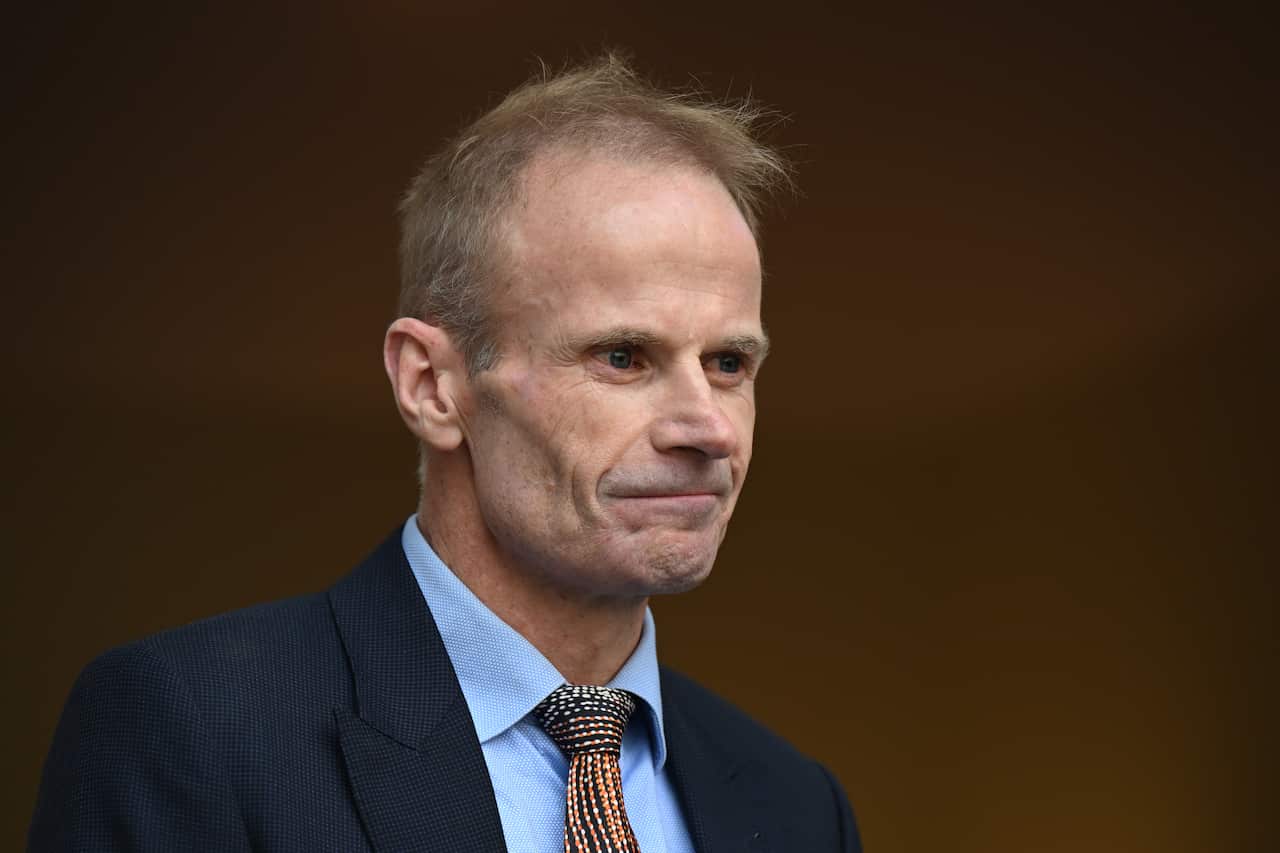
Scolyer, a keen triathlete, was head prefect and dux at high school before studying medicine at the University of Tasmania.
After four years in clinical medicine, he specialised in pathology, completing his training at the University of Sydney, where he later became a professor.
Scolyer shared insights on his cancer journey, amassing thousands of followers on social media and earning praise for his bravery in advancing scientific understanding.
But in March 2025, he revealed a recurrent tumour had returned and was quickly growing like tree roots in the left side of his brain after a complex surgery was unable to remove the entire mass.
He told followers the immunotherapy treatments and a vaccine might have made a difference and the potential benefits of the experimental procedures were worth the risk.
"At worst, I'll leave the legacy of increased scientific knowledge to benefit future brain cancer patients," he said.
On Monday, his family released an open letter from Scolyer penned before his final stages of illness.
"My final message to all Australians is to say thank you for your outpouring of love and support for me and my family," Scolyer wrote.
"Those of you I met during my travels as joint 2024 Australian of the Year, my amazing online community which spans many countries, and of course my hometown Tasmanians — you've laughed with me, cried with me, and provided encouragement and support to keep going just when I needed it most," he said.
"I haven't sugarcoated my journey and I sincerely thank you for allowing me the space and opportunity to share it with you, warts and all. I hope I have in some small way made the road ahead easier and smoother for others.
"If my legacy was to continue beyond these words, I would be delighted and humbled to be remembered as a proud everyday Aussie who 'gave it a crack,' and in doing so, inspired others to pursue their dreams and passions with humility, love and compassion."
— With additional reporting by Australian Associated Press.
For the latest from SBS News, download our app and subscribe to our newsletter.







