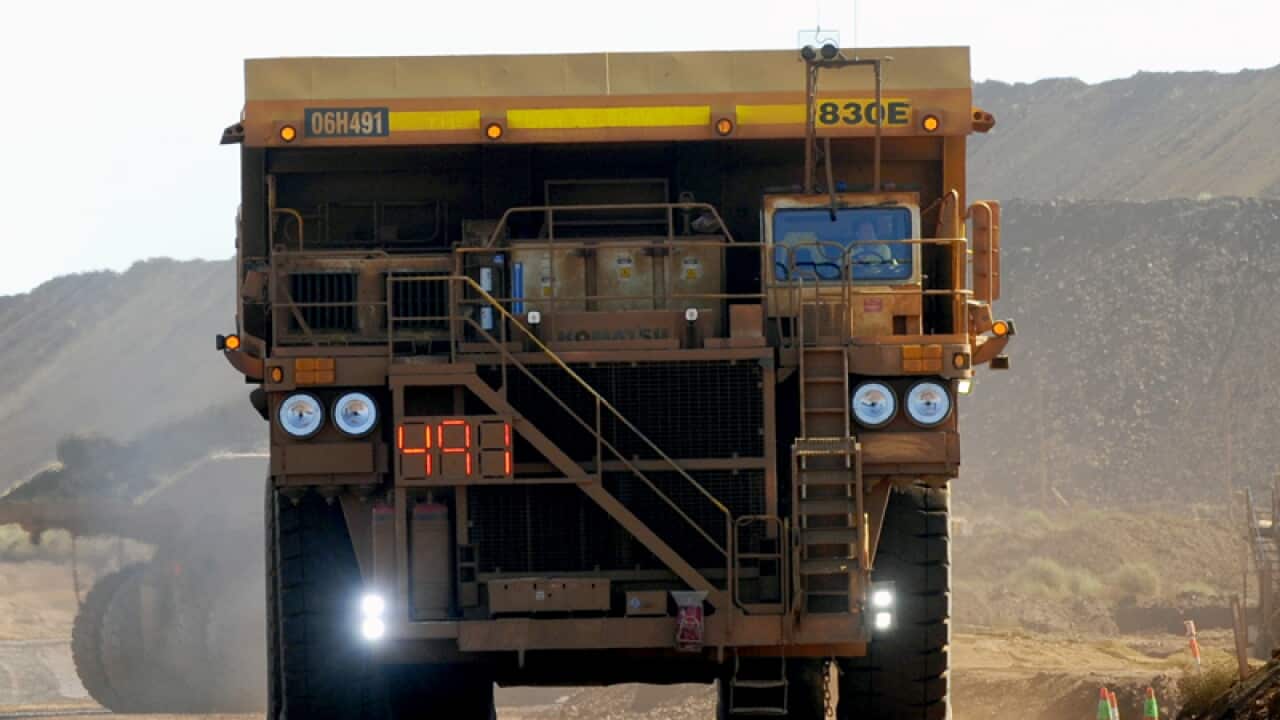
Rio Tinto has pared back its 2017 guidance for iron ore shipments by up to five per cent after facing delays in its driverless trains project in Western Australia.
The world's second largest iron ore producer said output from its Pilbara operations will fall to between 330 and 340 million tonnes from a previous forecast of 350 million tonnes.
It did not indicate the nature of the delays, but said testing of its AutoHaul technology is continuing.
The project had previously been expected to be completed by the middle of 2016.
The delay means Rio will push back further its eventual production target of 360 million tonnes from the Pilbara operations, even as iron ore prices remain depressed amid a prolonged commodities downturn.
News that makes sense
Your trusted source for staying up-to-date with the world around you. Get free daily news updates and analysis, straight to your inbox.
"We continue to experience volatility in commodity prices across all markets," chief executive Sam Walsh said in a statement on Tuesday.
"In the face of a testing external environment, our focus remains on delivering further cost and productivity improvements, disciplined capital management and maximising free cash flow."
The mining giant however, reaffirmed its overall production target of about 350 million tonnes in 2016, after lifting first quarter iron ore shipments by 11 per cent.
Rio, which completed an expansion of its Pilbara infrastructure in the first half of 2015, shipped 80.8 million tonnes of iron ore in the three months to March 31, compared to 72.5 million tonnes a year ago.
Shipments from the Pilbara trailed production, with the company blaming seasonal restocking and weather disruptions from Tropical Cyclone Stan.
Overall production of the steelmaking ingredient was up 13 per cent at 84.0 million tonnes.
"Given the current circumstances, I suppose the market is not fazed by a small reduction in guidance," CMC Markets chief market analyst Ric Spooner said.
"In broad terms, the big miner have the capital expenditure projects in place and remain on track with the overall production targets."
At 1200 AEST, Rio shares were trading three per cent higher at $48.86, bolstered by a rebound in iron ore prices to around $US60 a tonne.
Still, the company's key export is down nearly two-thirds from its peak value in 2011.
Rival miner BHP Billiton is also expected to post strong iron ore shipments in the quarter on Wednesday.
Meanwhile, Rio's bauxite production during the March quarter rose six per cent to 11.1 million tonnes, while aluminium production had jumped 10 per cent to 887,000 tonnes.
Thermal coal production was down nine per cent to 4.33 million tonnes, hit by wet weather at its Hunter Valley mines and the sale of its Bengalla coal mine.







