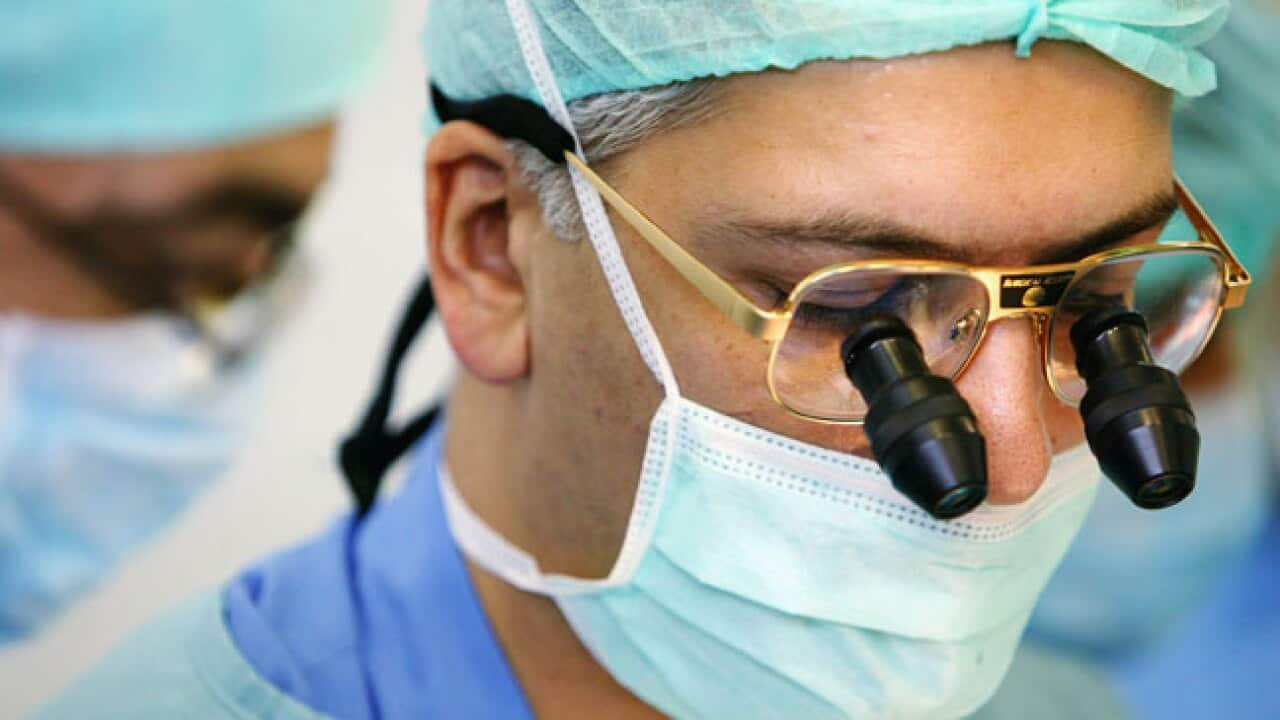
The European Commission touted the EU-funded ROBOCAST project as a breakthrough in robotic neurosurgery that could in future help treat tumours, epilepsy, Parkinson's disease and Tourette syndrome.
"Robots can reduce surgeon's tremor tenfold, making them especially useful in protecting the delicate and important brain matter," the commission said.
News that makes sense
Your trusted source for staying up-to-date with the world around you. Get free daily news updates and analysis, straight to your inbox.
Developed by British, German, Italian and Israeli researchers, the robotic hand, guided by a surgeon, has 13 types of movement compared to four available to human hands during minimally invasive surgery.
It even has "haptic feedback” or physical cues that allow surgeons to assess tissue and feel the amount of force applied during surgery, the European Commission said in reporting the EU-funded ROBOCAST project.
The robot has only been tested on dummies so far, performing keyhole neurosurgery, in which a probe enters a tiny hole in the skull to manipulate tissue or collect blood and other fluids.
The European Union, marking European Robotics Week, said it was funding a parallel project involving three robots to assist surgeons operating on patients who must stay awake during neurosurgery.
The EU's executive Commission has already spent 400 million euros in around 100 robotics projects. Brussels says global demand for robot-related products was worth around 15.5 billion euros in 2010, including 3.0 billion in Europe.







