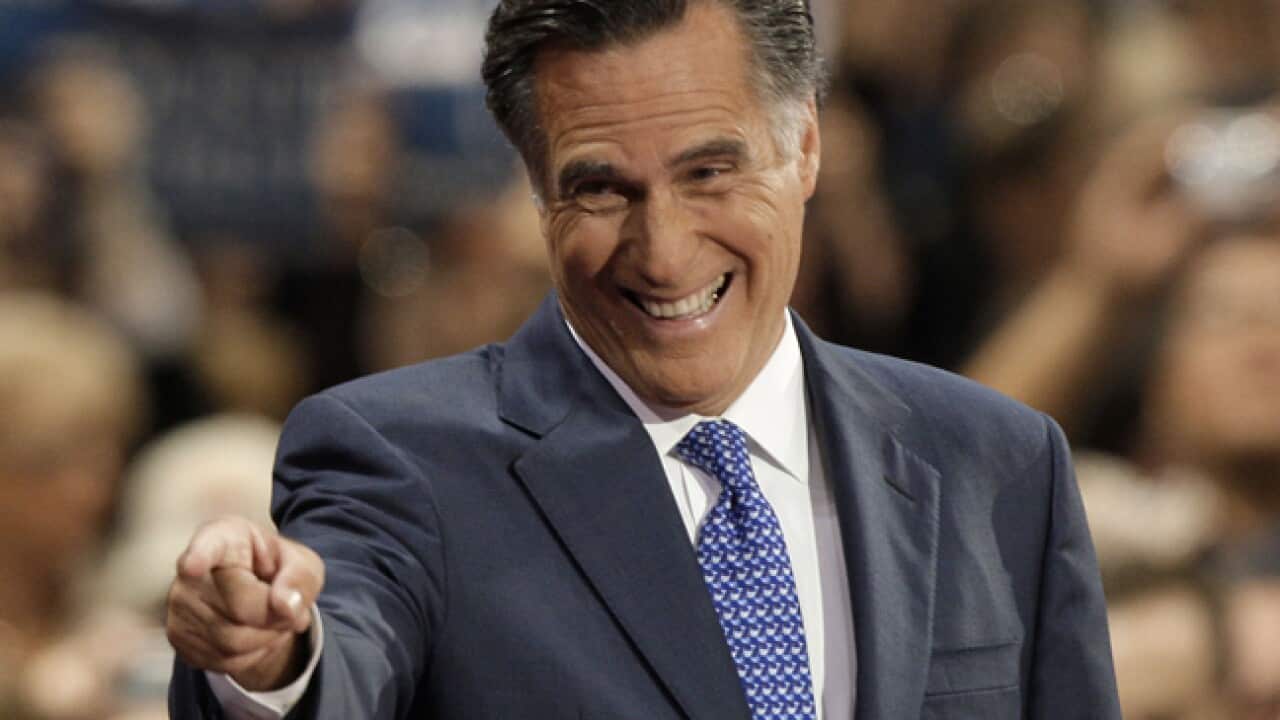
Former Massachusetts governor Mitt Romney has announced he is formally exploring a 2012 White House run, sayinging that President Barack Obama's policies "have failed" to revive the US economy.
"It's time that we put America back on a course of greatness, with a growing economy, good jobs, and fiscal discipline in Washington," Romney said in a low-key video shot in New Hampshire, home to a key early nominating contest.
Romney ran in 2008, but fell short amid doubts from core conservatives that he truly shared their values, and questions fueled by his moderate governing style in deeply liberal Massachusetts.
News that makes sense
Your trusted source for staying up-to-date with the world around you. Get free daily news updates and analysis, straight to your inbox.
The White House and Romney's conservative rivals rarely miss an opportunity to point to the health care overhaul he signed into law, describing it as an inspiration for Obama's own reforms, which core Republican voters loathe.
He also faces an uphill battle to overcome deep suspicion of his Mormon faith, since many in the Christian right-wing consider the Church of Jesus Christ of Latter Day Saints, as it is officially known, heretical.
Romney made the most in his video of his highly successful career in business, pointing to stubbornly high US unemployment and declaring that "President Obama's policies have failed" to turn around the economy.
"America has been put on a dangerous course by Washington politicians and it's become even worse during the last two years. But I'm also convinced that, with able leadership, America's best days are still ahead," he said.
A Boston venture capitalist and founder of a management consultancy, Romney first entered politics in 1994 when he unsuccessfully stood against prominent Democrat Ted Kennedy for Massachusetts senator.
In 1999, he was brought in to rescue the 2002 Winter Olympics in Salt Lake City, which had become mired in scandal.
He won plaudits for his handling of the crisis, saving the games from financial ruin, then translated the experience into a successful bid for governor in 2002.
Romney's move came three weeks after former Minnesota governor Tim Pawlenty became the first Republican to announce an exploratory committee, generally a must-do step that allows potential candidates help to gauge the potential for raising the vast sums of money required.
Other Republicans have shown interest in a White House bid, including firebrand Representative Michele Bachmann, an ally of the archconservative "Tea Party" movement that helped power the party to big gains in November elections.
Possible contenders also include former House speaker Newt Gingrich; former Utah governor Jon Huntsman, currently US ambassador to China; Mississippi Governor Haley Barbour; and businessman Donald Trump.
Republican officials worry that the crowded field of possible White House hopefuls could end up helping Obama, who is sure to get his party's 2012 nod but could be vulnerable as the US economy sputters its way out of its worst downturn since the Great Depression of the 1930s.







