Rubella, the contagious disease that can cause pregnant women to miscarry or result in serious birth defects or stillbirth, has officially been eliminated in Australia.
The World Health Organisation confirmed on Wednesday that the viral infection, also known as German measles, no longer exists in the nation.
The symptoms, including fever, rash and swollen lymph glands are mild but the consequences can be severe.
When contracted by women during the first 10 weeks of pregnancy, it can cause miscarriages, stillbirth or life-long problems for their babies including: deafness, vision problems, inflammation of the brain, heart defects, liver disease, bone disease and growth retardation.
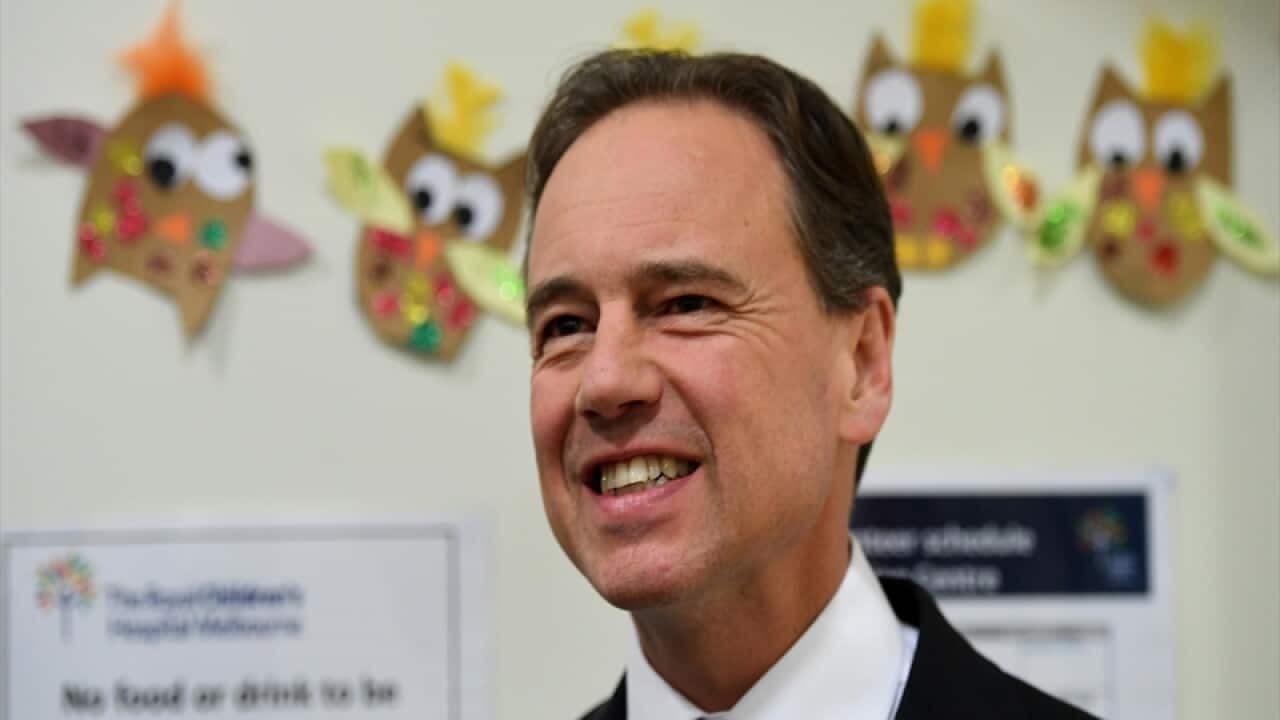
Health Minister Greg Hunt says the elimination of rubella in Australia sends a powerful message that vaccinations work.
News that makes sense
Your trusted source for staying up-to-date with the world around you. Get free daily news updates and analysis, straight to your inbox.
"The science is in and the medical experts' advice is absolute - vaccinations save lives and protect lives and they are an essential part of a healthy society," Mr Hunt said.
The national immunisation program, which provides government-subsidised jabs, currently provides free rubella vaccinations for children aged 12 months, with a booster at 18 months.
Official figures released last week showed that more Australian five-year-olds are fully immunised than ever before.
"I commend the efforts of Australia's health professionals over the decades and the millions of parents who ensure their children are always vaccinated," Mr Hunt said.
Australia also has a surveillance system in place to rapidly detect and respond to rubella cases, Mr Hunt said.
The nation has experienced epidemics of rubella, with the most cases officially reported in 1958 (more than 5000 cases), 1963-64 (at least 3000 cases) and in the early 1990s (more than 4000 cases).
The World Health Organisation has also confirmed on Wednesday that Australia has maintained its measles elimination status, which was verified in 2014.







