
Key Points
- Russian media has shown inside the home of Yevgeny Prigozhin, who led an aborted mutiny, after a purported raid.
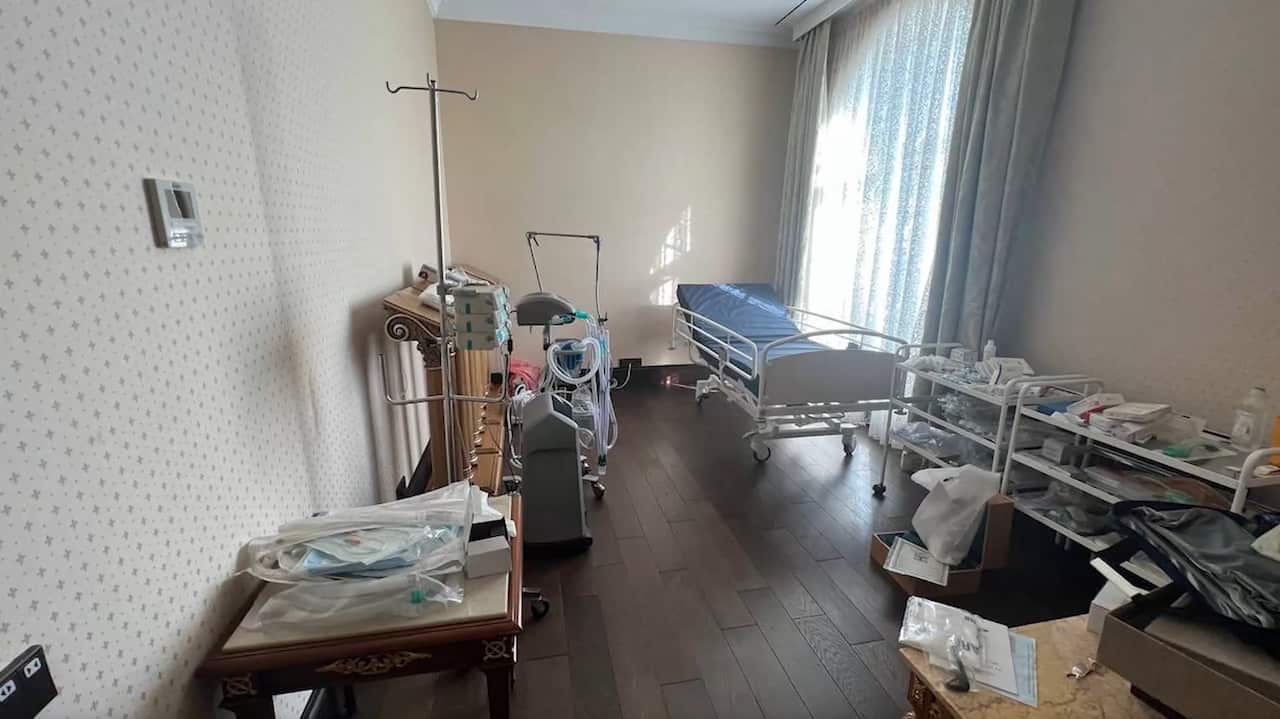
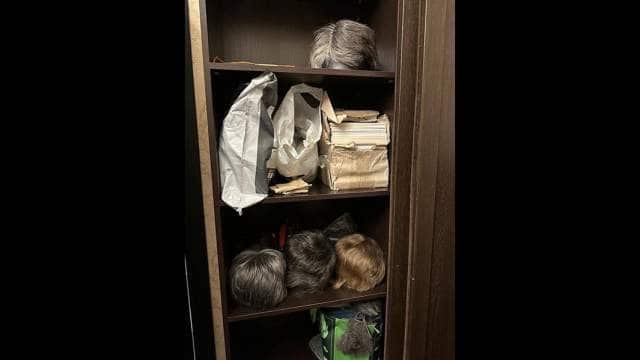
- The photos and video showed a cupboard with wigs in it, gold bars, and a medical treatment room, among other things.
- Prigozhin was meant to relocate to Belarus under a deal to end the mutiny, but may now be back in Russia.
Gold bars, a cupboard full of wigs, guns, and a giant sledgehammer — welcome to the home of a Russian paramilitary boss, according to pro-Kremlin media.
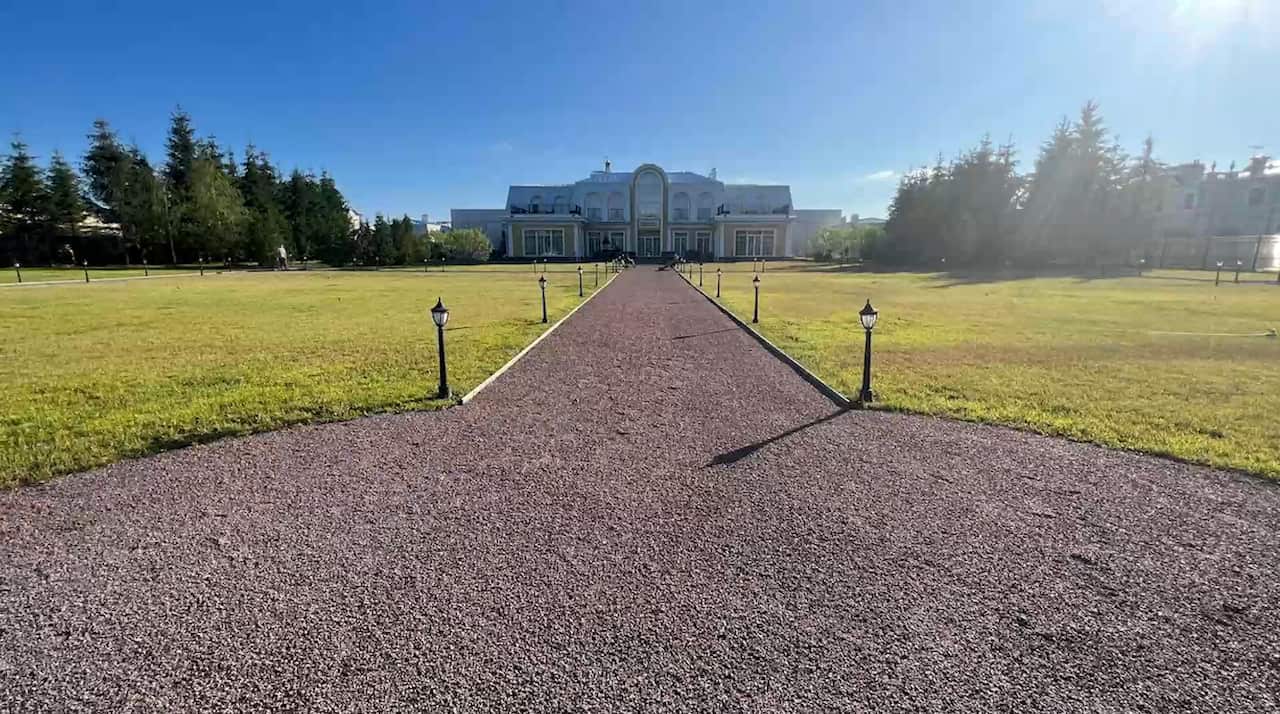
Izvestia, a newspaper supportive of Russian President Vladimir Putin's administration, on Wednesday, published video footage and photos it had "received" of a purported police raid on the St Petersburg office and a palatial home of Yevgeny Prigozhin — the head of the Wagner group who led an aborted mutiny last month.
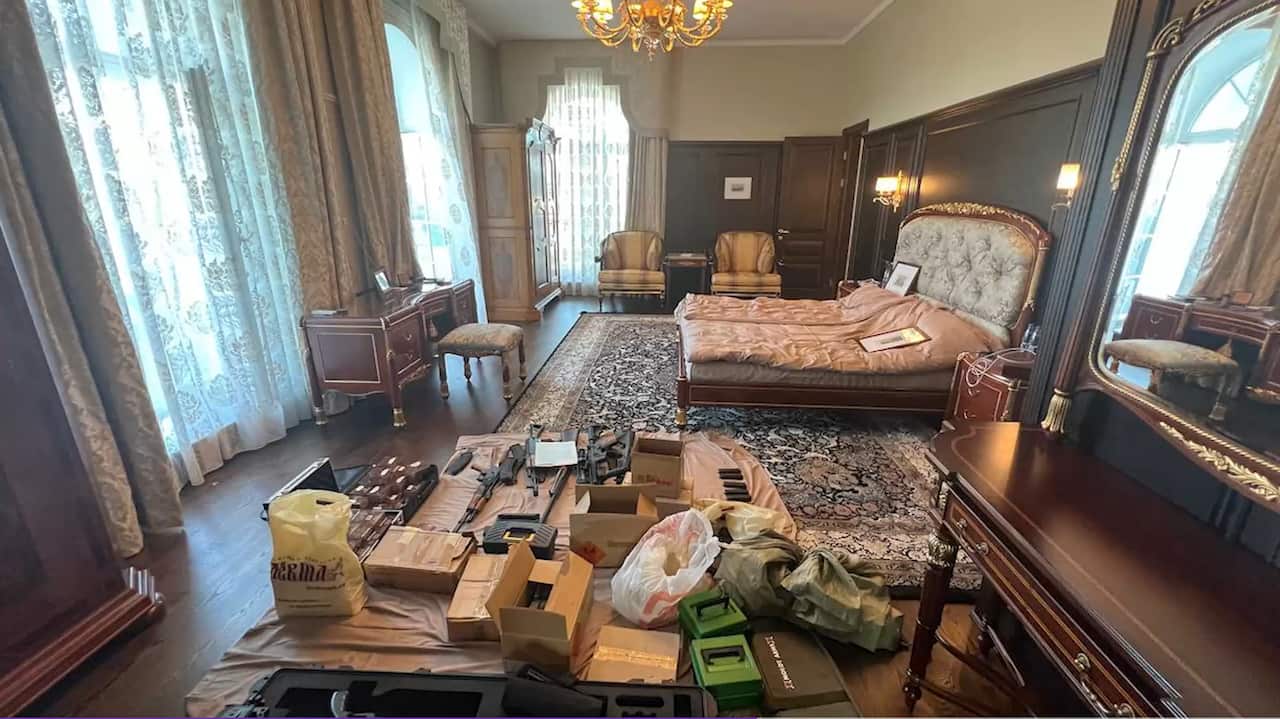
The footage showed boxes full of high-denomination roubles in his office and bundles of dollars in a luxurious residence, along with a helicopter alleged to belong to him, an arms cache, and a collection of wigs.
A fully-equipped medical treatment room, gold bars, and a collection of souvenir sledgehammers, the tool Prigozhin called a symbol of vengeance to be used against traitors, were also shown.
News that makes sense
Your trusted source for staying up-to-date with the world around you. Get free daily news updates and analysis, straight to your inbox.
The same video and images were shown on the program 60 Minutes aired on the state-run television channel Rossiya-1 on Wednesday night.
The host, Yevgeny Popov, called Prigozhin a "traitor", and the footage was presented by an invited guest - journalist Eduard Petrov - as proof of Prigozhin's criminal past and his hypocrisy in alleging corruption in the armed forces.
"Nobody planned to close this case. The investigation (into the mutiny) is ongoing," said Petrov.
He said investigators had concluded that a video used by Prigozhin as a pretext to start the mutiny, which had shown an alleged Russian strike on a mercenary camp, was a fake.
State TV broadcast images of armed Russian law enforcers entering Prigozhin's office. St Petersburg's Fontanka news outlet had reported that raids on properties linked to Prigozhin were conducted on 24 June.
"I consider that the creation of Yevgeny Prigozhin's image as a people's hero was all done by media fed by Yevgeny Prigozhin," Petrov said, referring to media outlets financed by Prigozhin.
"After it failed, they quickly closed and fled."
He said cash worth 600 million roubles ($9.9 million) had been found in Prigozhin's properties.
Prigozhin has said Wagner only dealt in cash, which it used to pay salaries and expenses. Putin has said Wagner was financed by the state.
The program showed several passports with different names, which it said Prigozhin had used.
"A normal person can't have so many passports," Petrov said.
"Why did this person have such strange powers, like the serious leader of some kind of criminal group?"
Photographs of Prigozhin dressed in different disguises and uniforms were leaked to the Telegram messaging app at the same time. The Reuters news agency could not verify their authenticity.
"We need to get to the bottom of who was on whose side (in the mutiny). We need to punish and prosecute them," Petrov said.
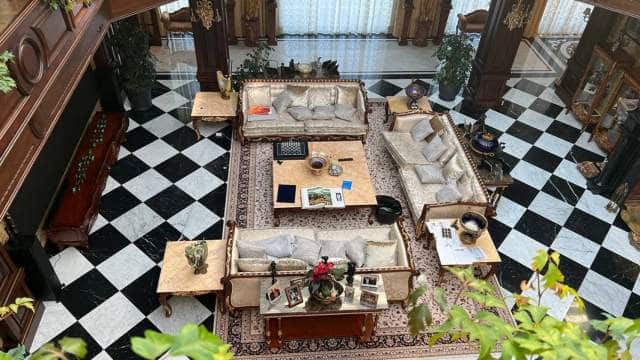
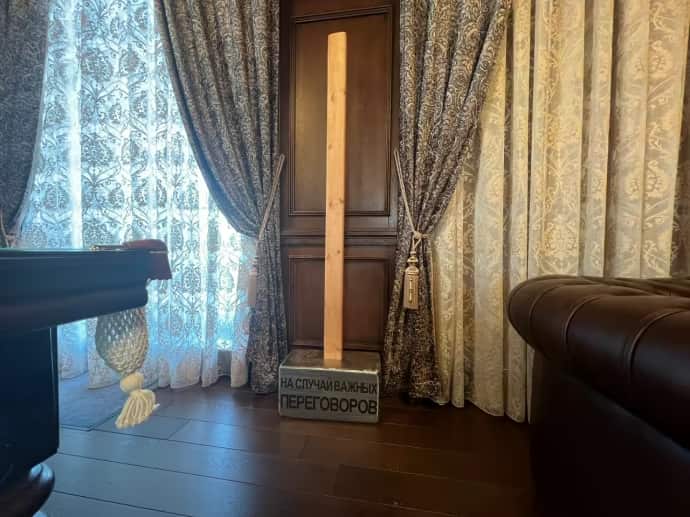
The attack on Prigozhin on state TV could not have been launched without the Kremlin's knowledge.
Prigozhin's mutiny posed the biggest threat to Putin since the Russian leader came to power more than two decades ago and forced the Kremlin to launch a damage-control exercise in which it has stressed the loyalty of the armed forces and the unity of society in the face of treachery.
Prigozhin had said it was not aimed at toppling Putin but at settling scores with defence minister Sergei Shoigu and chief of the general staff Valery Gerasimov.
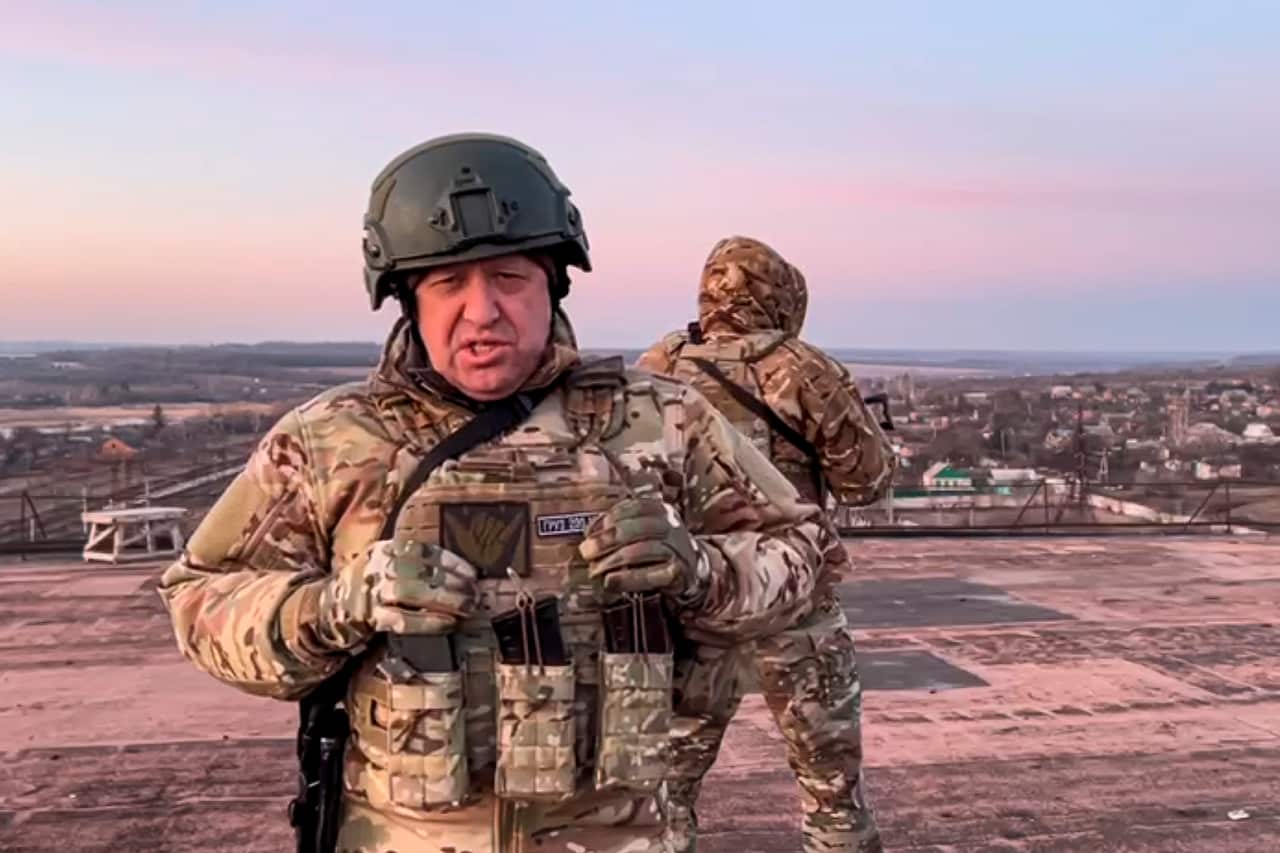
Under the agreement that ended the mutiny, Prigozhin, whose aim had been to topple the defence minister and chief of the general staff for alleged incompetence in prosecuting the war, was meant to relocate to neighbouring Belarus. In exchange, criminal charges against him were to be dropped.
But Belarusian President Alexander Lukashenko, who helped broker the agreement, said on Thursday that Prigozhin, who he said had visited Belarus on 27 June, was currently in his native St Petersburg, Russia's second city. His fighters were at their permanent camps on Russian-controlled territory, added Lukashenko, saying an offer to host them in Belarus still stood.
The Kremlin has declined to discuss Prigozhin's whereabouts.
"No, we do not follow his movements, we have neither the ability nor the desire to do so," Putin's spokesman Dmitry Peskov told reporters on Thursday, nevertheless confirming that Prigozhin's departure for Belarus was one condition of the deal.







