
At a time when the giraffe population is plummeting in the wild, the sale of products made with giraffe skin and bone is booming.
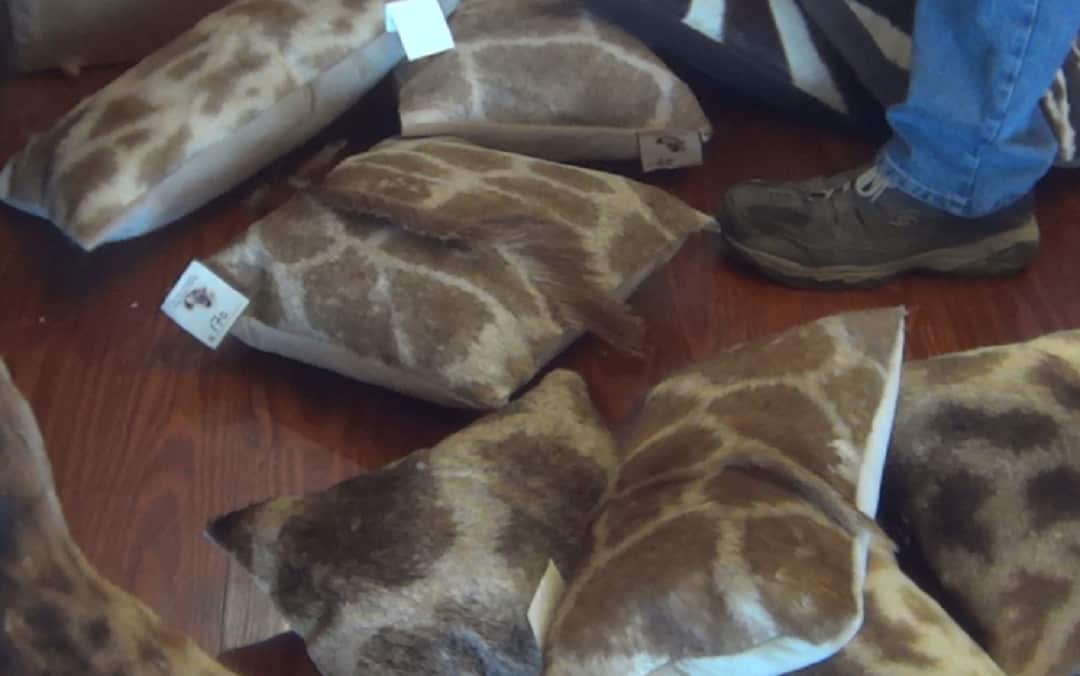
According to a report released Thursday by Humane Society of the United States and its international affiliate, more than 40,000 giraffe parts were imported to the United States from 2006 to 2015 to be made into expensive pillows, boots, knife handles, bible covers and other trinkets.
The sale of these products is legal, but the organisation argues that restrictions are needed. Along with other advocacy groups, it has petitioned the US Fish and Wildlife Service to provide that protection by listing giraffes as an endangered species.
They are issuing the report now “to ramp up the pressure and show the public the true nature of the giraffe trade in the US, and show the administration that the public loves giraffes and really wants their government to take action to protect this animal,” said Adam Peyman, manager of wildlife programs and operations for the Humane Society International.
News that makes sense
Your trusted source for staying up-to-date with the world around you. Get free daily news updates and analysis, straight to your inbox.
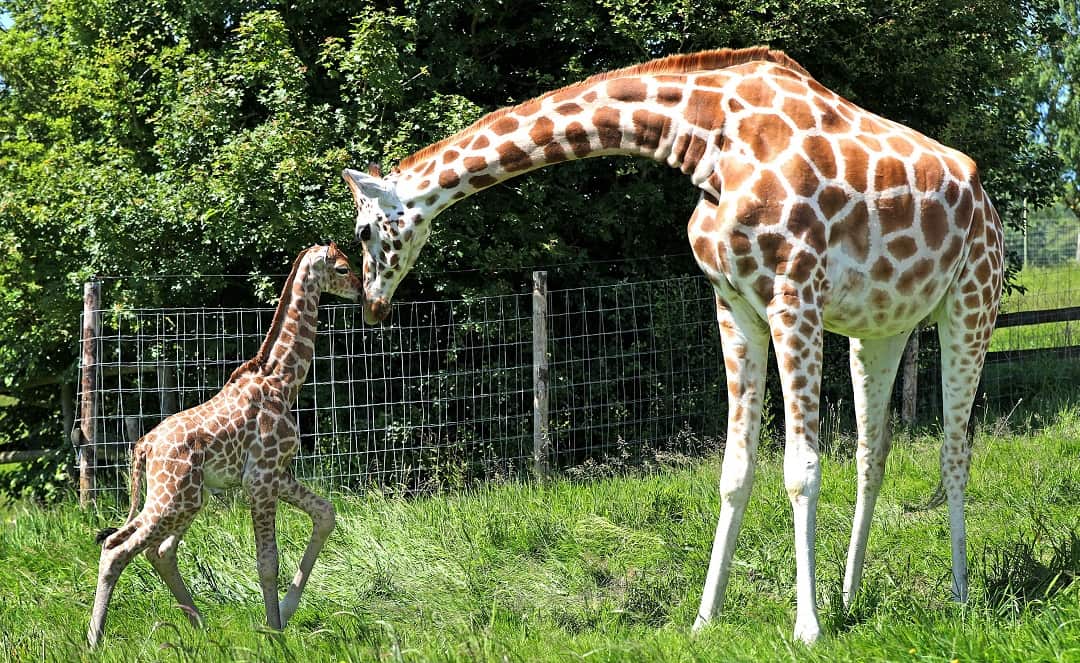
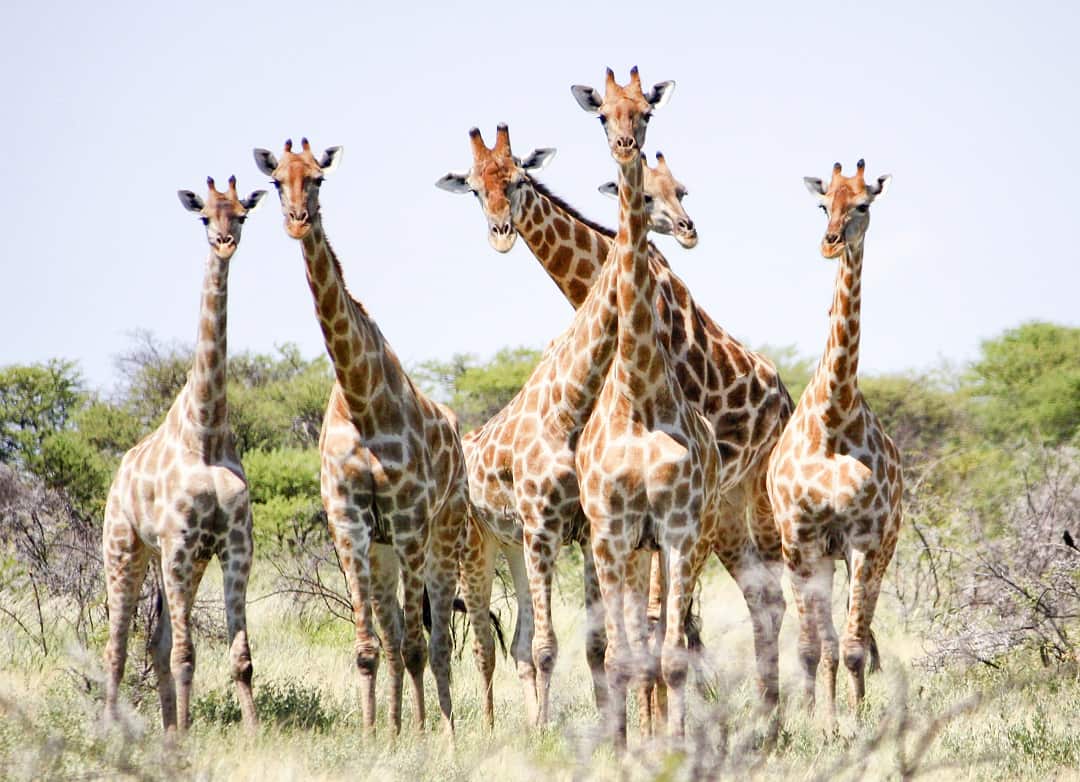
In 2016, a study by the International Union for Conservation of Nature and Natural Resources determined that the worldwide giraffe population had plummeted from 150,000 to 100,000 since 1985. Giraffes face two main threats, the report found: habitat loss and poaching by locals in search of bushmeat.
Trophy hunting seems to be the primary source of the animals arriving in the United States, but isn’t driving the animals to extinction, Peyman said. But any market for giraffe products puts more pressure on the species. Listing under the Endangered Species Act means that imports, exports and interstate commerce require a permit from the Fish and Wildlife Service, which must determine whether the action enhances the survival of the species.
“We can’t afford any additional pressure amidst what experts have dubbed the silent extinction,” he said. “These are products that most people wouldn’t be interested in, but I think it’s important to raise awareness among the public to the fact that these things are sold across the country.”
The trophy hunters, Peyman said, often take the head and part of the neck of the giraffe for their own use, leaving the rest of the animal to be sold off by the outfitter who arranged the hunt.
The Safari Club International, which promotes hunters’ rights and wildlife conservation, said in a statement that “despite the rhetoric in the media, legal regulated hunting is one of the most effective means of conservation.” The statement also referenced the same 2016 IUCN study to argue that giraffe populations are healthier in nations like Angola where there is legal hunting; and have declined precipitously in Kenya where hunting is illegal.
There is little solid data on the number of sales of giraffe parts in the United States, but the Humane Society obtained US Fish and Wildlife data showing that there were nearly 40,000 giraffe products legally imported to the United States from 2006 to 2015.
The market for giraffe products, Peyman said, may have inadvertently been increased by a ban on importing some elephant products, which was upheld by the Trump administration late last year.
The American public generally opposes big game hunting, according to a Marist poll in 2016 that found 86 per cent disapprove.
An investigator with the society’s US organisation went undercover to 21 locations to track giraffe sales and talk to sellers.
The investigator found a taxidermied body of a juvenile giraffe, selling for US$7,500, according to the Humane Society, and a pillow made with an animal head, intact down to its eyelashes.
On bible covers selling for $400 and equally expensive boots, the hair is removed from the hide — so it’s not even evident that the source is a giraffe.
A video produced by the investigator wearing a hidden camera showed a seller explaining that the giraffes had to be killed because they were aggressive, and endangered the lives and livelihoods of African villagers. But Peyman said there is no evidence that giraffes pose any threat to people or crops. The animals evolved to eat leaves from trees and are not aggressive, he noted.







