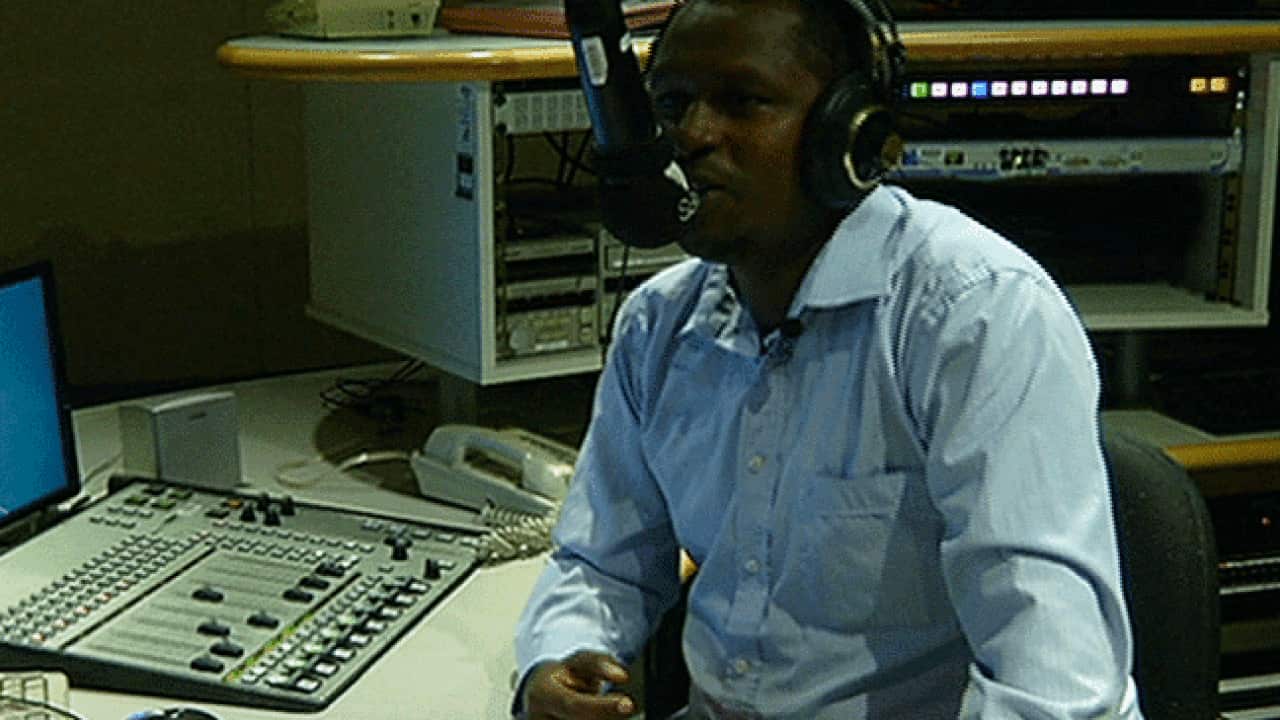
There are three new African language programs in Swahili, Dinka and Tigrinya. The Asian languages of Malayalam, Hmong and Pashto make up the other three.
Program presenter Gode Migerano says a radio program for the 7,000 Swahili speakers in Australia has been "a long time coming".
News that makes sense
Your trusted source for staying up-to-date with the world around you. Get free daily news updates and analysis, straight to your inbox.
"Many people have missed out on news from back home and even local news, because the majority may not be able to understand English, or if they understand it they cannot get proper information through it."
He says the addition of such a program will benefit elderly migrants and refugees who may speak only a little English.
It will also be a means for younger generations to stay in touch with their culture.
"I think the elderly will benefit from the program because they are more attuned to news and they're keen to find out what's happening back home, but I think there's also something for the young people as well," Mr Migerano said.
Mr Migerano says he'll explore positive news stories within the community as well as tougher issues such as the trauma of war and displacement.
"There will be a lot of good information just like they are used to back home. The only slight difference is it produced here in Australia, for the community, by the community."
The changes mean the total number of language programs broadcast by SBS Radio will rise from 68 to 74.
SBS Audio and Language Content Director Mandi Wicks says content within each of the new language programs will focus on local communities.
"We feel that it's incredibly important that they have a language service which is truly balanced and impartial, and also focuses on Australia: so, Australian stories about the community in Australia, or looks at the rest of the world through the eyes of the community in Australia," she says.
"It's quite a unique point of difference."
Changes to the schedule were based on details gathered in the 2011 Census, Ms Wicks says.
"We used information like household income, recentness of arrival, English proficiency and we determined which languages are the most high-need in Australia when it comes to needing a language service."
In order to make room for the additional programs, some language groups have had their broadcast hours reduced.
WATCH THE EXTENDED INTERVIEW WITH MANDI WICKS
For more information about the new SBS Radio schedule, visit sbs.com.au/radio
WATCH THIS STORY ON YOUTUBE:







