Sun lovers are being warned of a new genetic discovery which can dramatically increase their chances of developing a deadly skin cancer.
Australian scientists have found if the gene that controls how much your skin tans is faulty, it increases the risk of developing melanoma by two-and-a-half times.
A mutated version of the gene, known as MITF, is more common among people with lots of skin moles and a family history of melanoma.
The scientists behind the discovery estimate about one per cent of the population, or 200,000 Australians, carry this faulty gene and face a higher than average risk of melanoma.
Lead researcher Graham Mann said more than a dozen genetic mutations were known to play a role in melanoma.
News that makes sense
Your trusted source for staying up-to-date with the world around you. Get free daily news updates and analysis, straight to your inbox.
If people carried several different mutations, particularly high-risk ones such as MITF, it could explain why some are more likely to develop melanoma than others.
"We think that some people happen to have picked up several different melanoma risk genes compared to other people," Professor Mann said.
"For example, in their own family they might be carrying two or three of them but their brother or sister has only one of them.
"We think a lot of families which have more melanoma than average are basically clusters where these genetic risks are coming together.
"The risks add to the effects of sun exposure, which by itself can cause a cluster in a family."
The MITF discovery was made by a team of researchers from the University of Sydney's Westmead Millennium Institute for Medical Research and the Queensland Institute of Medical Research.
While scientists have for years known various risk factors such as sun exposure and fair skin can contribute to melanoma, little is known about the role genes play.
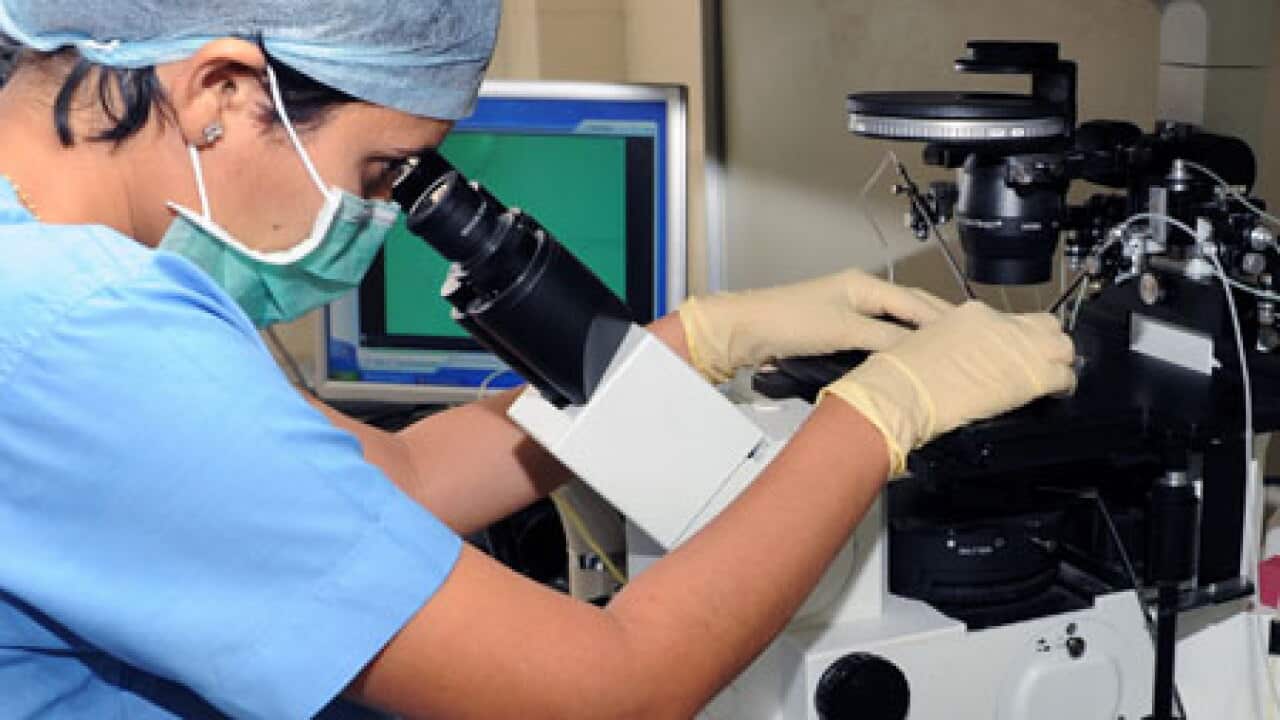
To get a better understanding the scientists used advanced DNA sequencing to examine the entire genomes of a small number of people with a strong family history of melanoma.
They not only identified the MITF mutation to be a common one for people generally, but also discovered how the faulty gene works.
MITF controls the growth of melanocyte cells which make the skin turn brown after sun exposure.
But if the gene is faulty it seems to be more sensitive and have stronger effects, paving the way for melanoma.
Prof Mann said the researchers were continuing to examine the data from their genome study and expected to identify more genetic mutations linked to melanoma.
He said being able to identify mutations could one day lead to routine screening for people with a family history of melanoma and the development of drugs to reduce their risk of developing the skin cancer.
"That would lead to a lot less melanomas," he said.
The researchers' findings were published by the scientific journal Nature on Monday.







