In Brief
- The home affairs minister says members of the group accused of committing a crime will face the "full force of the law".
- Three women from the cohort who returned earlier this month have been charged.
After years in poor conditions in the al-Roj camp in northern Syria, a group of women and children with links to the self-proclaimed Islamic State group have returned to Australia.
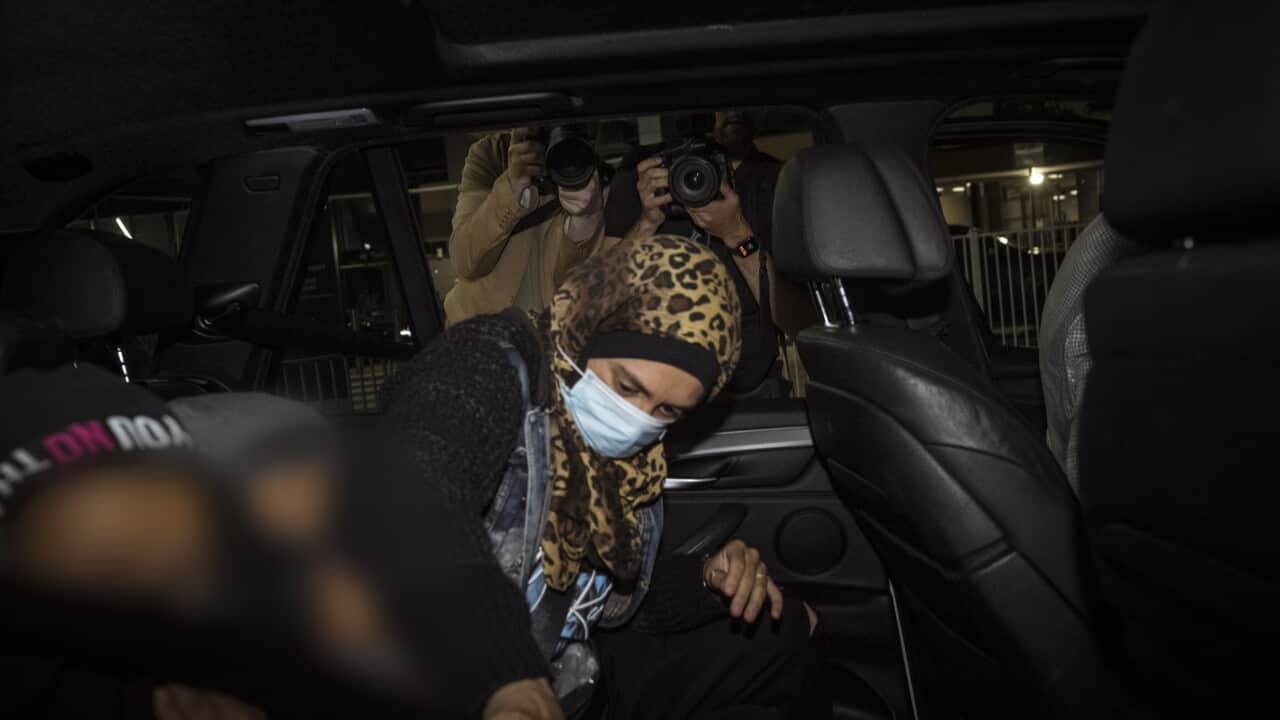
The Australian government confirmed that seven women and 12 children who have links to IS in Syria made plans to travel to Australia. A flight containing two women and seven children landed in Melbourne after 4pm on Tuesday, with the rest of the group landing in Sydney shortly afterwards.
On arrival, the two groups of women and children were searched and their devices downloaded by police.
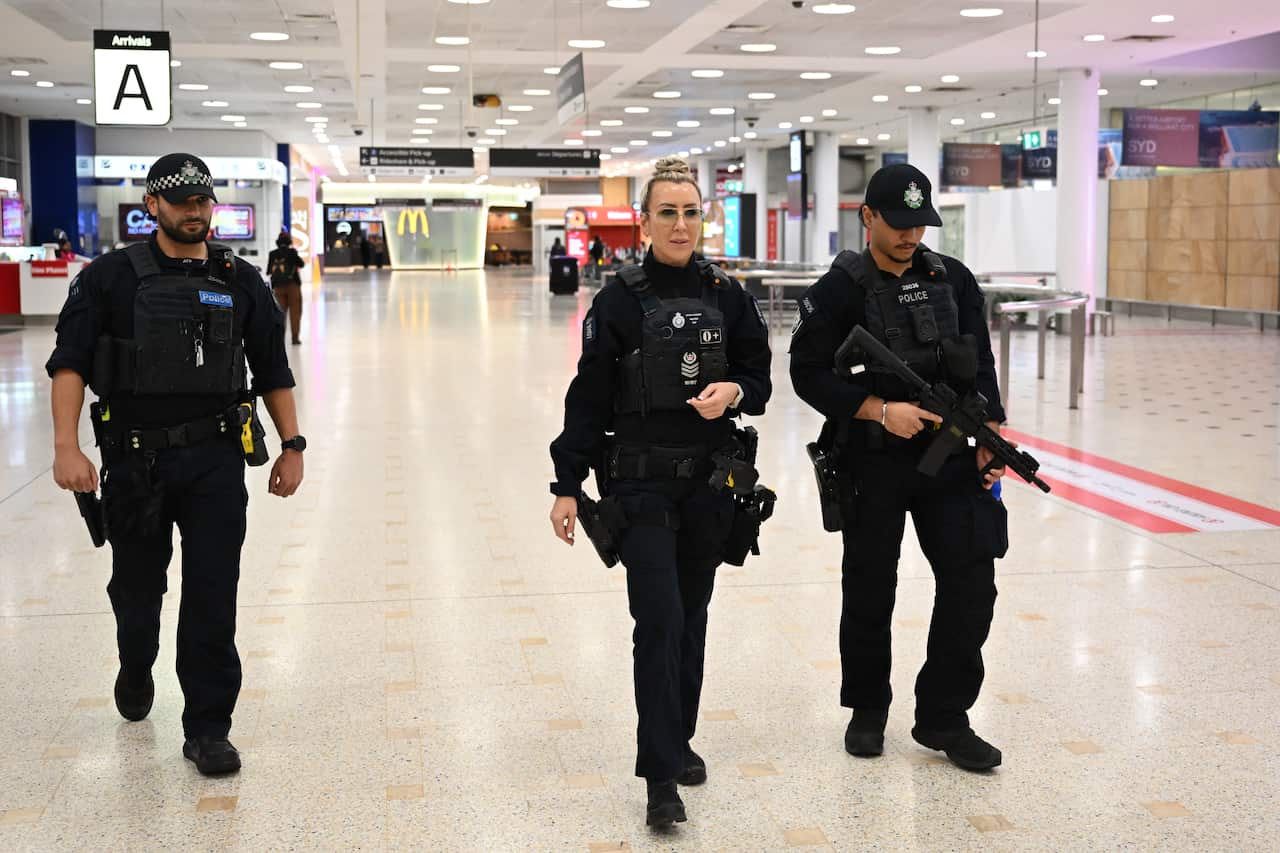
Members of the Victoria and NSW Joint Counter Terrorism teams awaited the groups.
News that makes sense
Your trusted source for staying up-to-date with the world around you. Get free daily news updates and analysis, straight to your inbox.
"The cohort was subject to a range of operational responses, including the searching of belongings and the downloading of their devices for investigative purposes," NSW and Victoria police said in a statement.
"No-one arriving within this cohort has been charged, however, investigations into the activities of Australians who travelled to Syria — including those who have since returned — are ongoing."
A sizeable media pack awaited the Melbourne group's arrival, in a similar scene to that awaiting the previous cohort of women and children earlier in May. Three men dressed in black were gathered at the arrivals gate, fewer than the dozens who waited for the last group.
A second, larger group of four women and their children landed in Sydney about an hour later, where uniformed police were out in greater numbers. The group were taken out a back entrance, avoiding waiting media.
They will have access to medical, mental health and education services as well as supports related to their experiences at the refugee camp.
Long-standing plans to monitor the group
Last week the group travelled 750 km to Damascus, with the assistance of family and supporters after years in detention.
It followed the arrival of four women and nine children earlier this month, which resulted in immediate arrests and charges including crimes against humanity.
Home Affairs Minister Tony Burke said the government "has not and will not" assist with the latest group's return.
"These are people who have made the horrific choice to join a dangerous terrorist organisation and to place their children in an unspeakable situation," Burke said in a statement.
"As we have said many times, any members of this cohort who have committed crimes can expect to face the full force of the law."
Burke also said Australia's law enforcement and intelligence agencies have been preparing for the cohort's return since 2014, and have long-standing plans in place to monitor the cohort.
"The priority of the government, as always, is the safety of the Australian community," he said.
During Question Time in parliament on Tuesday — just hours before the group were set to land on Australian soil — Prime Minister Anthony Albanese was asked by the Opposition if their return was "part of the Labor government's plan".
Albanese responded that he had "nothing but contempt for anyone who has sympathy for ISIS".
He stressed that the federal government did not provide any assistance to the group, and "any breaches of the law will mean these people will face the full force of the law".
Dr. Jamal Rifi, a key advocate for the return of the IS-linked families from Syria, said on the ABC's 7:30 that he did not know the women that had arrived on Tuesday and did not know if they would be arrested.
"I believe they have touched down and official intelligence agencies, AFP (Australian Federal Police), made the decision that they won't make any arrests", Rifi told 7:30.
"That's what I have read. But who knows what's going to happen? Those women are not known to me."
It's understood the AFP has taken a different operational strategy for the women that returned on Tuesday compared to those that returned three weeks ago, and no arrests were made at either Melbourne or Sydney airports.
Who are the IS-linked women?
In February, 34 Australians who had been living in the al-Roj displacement camp in northern Syria for several years and preparing to return to Australia on Monday were instead brought back to the camp due to what local authorities said were "technical reasons".
The women had travelled or were taken to Syria to become partners of IS group members and have been living in the displacement camp after the collapse of the IS group in 2019.
The women are often referred to as 'ISIS brides', given their perceived or real links to IS group fighters.
Al-Roj is a detention facility in northern Syria holding thousands of foreign women and children with alleged links to the IS group, where the cohort had been held since the group's collapse.
Previously, the camps had been run by Kurdish forces, with support from the United States. But, as the US announced it would pull back support for the Kurds earlier this year, power is transitioning to Syrian government forces.
In September last year, two Australian women and four children with IS links returned to Australia after smuggling themselves from Syria to Lebanon.
The Australian government has repeatedly denied any involvement with the repatriation of the group.
In early May, 13 people from the cohort — four women and nine children — had booked flights to Melbourne and Sydney, and the group arrived on 7 and 8 May.
What happened when the first group of IS-linked women arrived this month?
In Melbourne, two women were immediately arrested by the Australian Federal Police, and they were charged with crimes against humanity, including slavery and slave trading.
A third woman was also charged with a terrorism-related crime after arrest upon arrival in Sydney with a child.
The three women remain in detention and are awaiting future court appearances.
The return of the IS-linked group has sparked a debate in Australian politics, with Opposition leader Angus Taylor proposing new laws to block their return.
The Albanese government has issued a temporary exclusion order for one woman that barred her from entering Australia for up to two years, citing advice from the Australian Security Intelligence Organisation.
Mat Tinkler, chief executive of Save the Children, told the ABC on Tuesday that two-thirds of the returning group were children.
"As Australian citizens, it was always a matter of 'when' these women and children came home, not 'if'," he said.
"Australia must prioritise their safety, wellbeing and right to live in this country as Australian citizens."
For the latest from SBS News, download our app and subscribe to our newsletter.







