In brief
- The Australian eSafety Commissioner has recommended changes to how smart glasses operate.
- Further new protections will overhaul Australia's privacy laws related to social media, AI and smart glasses.
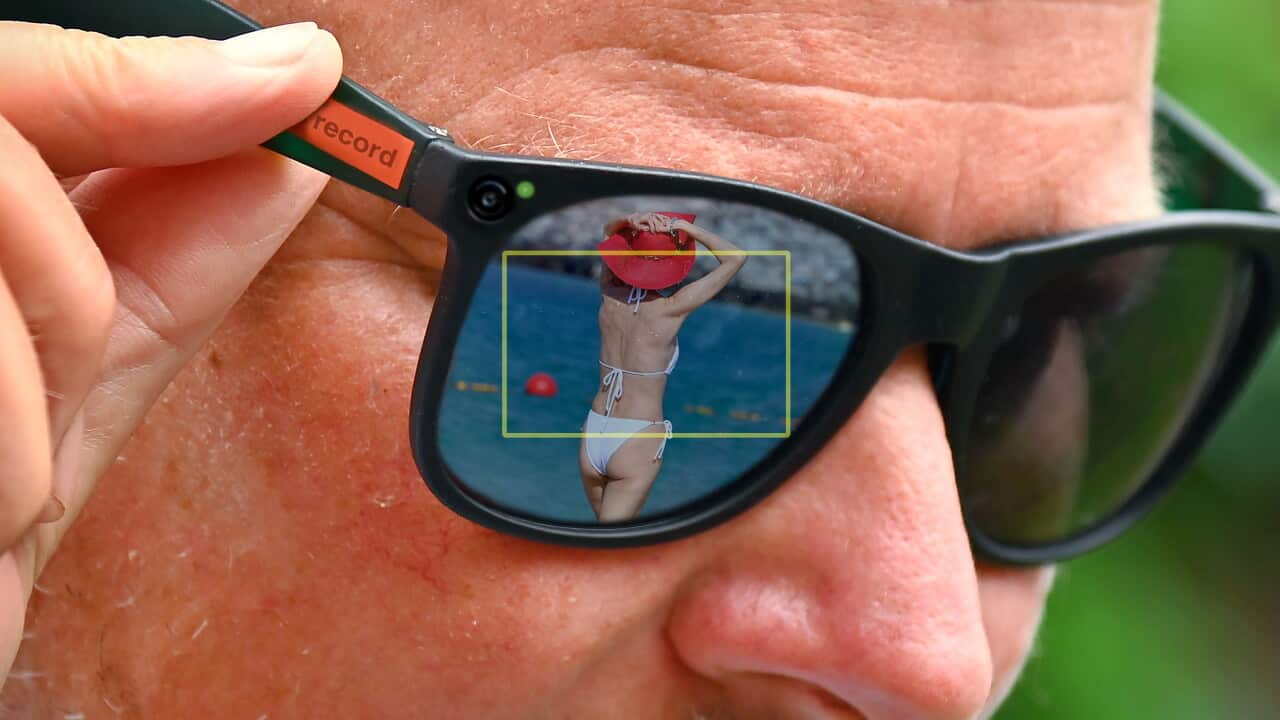
People's faces should automatically be blurred when being filmed by smart glasses as part of greater privacy measures, the online safety watchdog has urged.
In advice to industry, the eSafety Commissioner has called for extra protections to be put in place for smart glasses, or glasses with cameras attached to them.
The growing uptake of the technology, prompted by cheap versions of the products being sold in outlets such as Kmart, has increased concerns about privacy and people being filmed without their consent.
The commissioner said faces of people being filmed should be blurred by default if they have not given consent, with clearer indicators being given for when the glasses are recording video.
"Companies selling smart glasses must balance the benefits of the technology with the need to protect users and the public," the commissioner said.
News that makes sense
Your trusted source for staying up-to-date with the world around you. Get free daily news updates and analysis, straight to your inbox.
"As smart glasses become more common, they may create new ways to perpetrate harms."
The eSafety Commissioner said the rapid evolution of the technology meant there was still a chance for extra safety features to be baked into the products before harms became more widespread.
"They may become increasingly interconnected with and create new ways to perpetrate different types of harms, such as image-based abuse, adult cyber abuse, cyberbullying of children, or the livestreaming of violent or other harmful content," the advice said.
"The harms linked to covert recording are not hypothetical. They are real and already occurring."
Among the concerns listed by the commissioner was how the glasses could be used by "pick-up artists" who use the glasses to film women without their knowledge.
"Most of the women do not realise they are being filmed. These posts often attract misogynistic comments, compounding the harm," the commissioner said.
"Used in this way, smart glasses can reinforce and normalise watching, recording and controlling women in public without their knowledge."
The commissioner has also called for livestreaming from the glasses to operate on a delay, as well as for recording to be disabled when the glasses are not being worn.
Attorney-General Michelle Rowland wrote to the privacy commission earlier this month to investigate whether extra regulations for smart glasses were needed.
The Greens have called for a 12 month ban on the importation of smart glasses.
Under changes the minor party will bring to parliament, the filming, storing or sharing of footage from the glasses without consent would be a breach of privacy laws.
Social media and deletion requests
Rowland is also set to outline further changes to privacy laws, including the right to erasure, on Monday.
The policy would mean social media users can ask tech companies to delete their personal information published online or held by the platforms.
The draft laws will not apply to media organisations publishing news articles.
Rowland said the privacy laws were needed to keep up with technology changes.
"The right to erasure will help put more control in the hands of Australians, allowing personal information to be destroyed from large digital platforms," she said.
"We must ensure appropriate safeguards are placed around technology and stop the erosion of our privacy protections."
The federal government will also roll out extra protections for identity documents online.
A service called IDLock will allow people to block or unblock the use of identity documents such as passports.
IDLock will be made available through the government's MyGov platform from 2027 after a small-scale trial in late 2026.
"Australians deserve to have control over how their personal identity information, such as their driver licence or passport, is used to verify their identity online," Rowland said.
"As data breaches, scams and cyber-enabled crime continue to evolve, Australia's approach must evolve with them."
For the latest from SBS News, download our app and subscribe to our newsletter.







