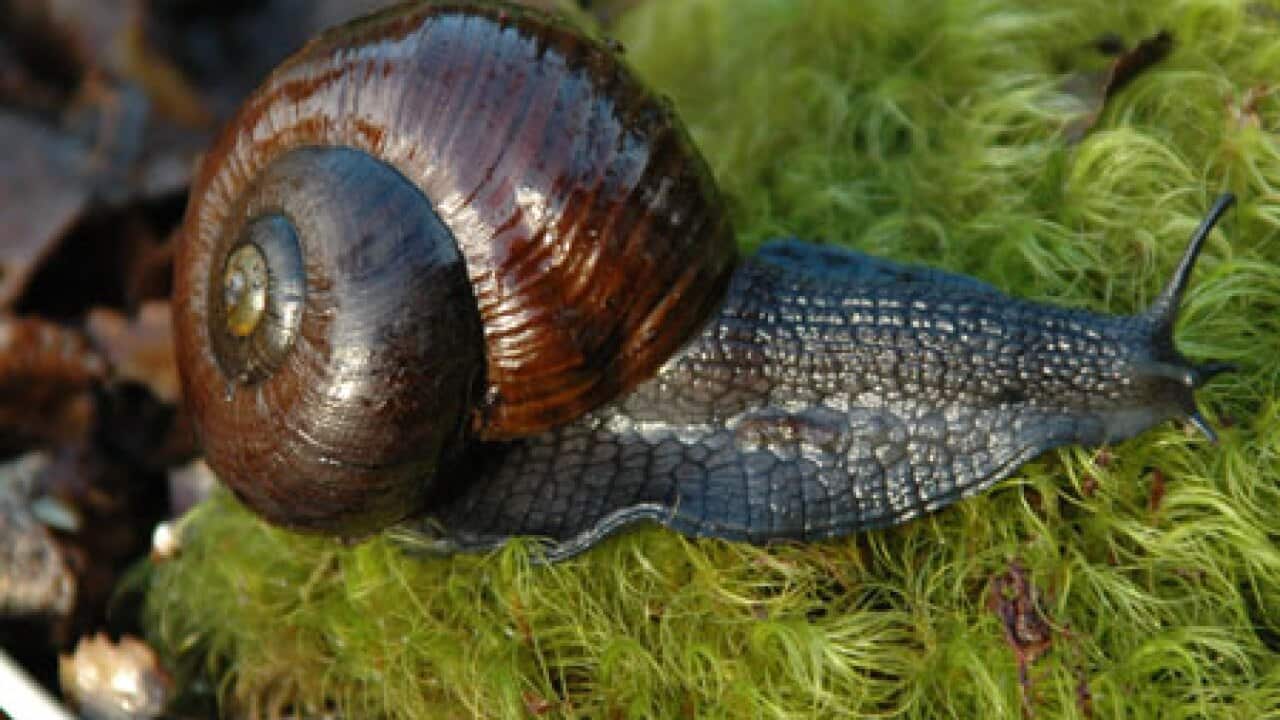
Dr Dave Hodgson from Exeter University explains how the experiment works
The result has astonished some professionals who believe that snails are far too simple creatures to find their way home.
News that makes sense
Your trusted source for staying up-to-date with the world around you. Get free daily news updates and analysis, straight to your inbox.
So with the help of BBC Radio 4's Material World Programme they have launched a national experiment to settle the question.
The idea for the experiment started last year - when Ruth Brooks became exasperated with the snails in her garden.
They had eaten her lettuce, ravaged her petunias and devastated her beans.
She was too kindly a person to kill them - so she took them away to a nearby piece of waste land. But she found that they kept coming back.
"I really don't like killing snails with pellets or salt and I wanted to find a humane way of protecting my garden," she said.
It is gardener's lore that snails have a homing instinct. But Ruth wondered if there was a scientific basis to this.
For help, Ms Brooks called Material World, who put her in touch with Dr Dave Hodgson, a biologist at Exeter University.
Together they devised a series of experiments to assess the snails' alleged homing ability.
Ruth's results suggest that snails are able to home. She found that her snails were able to return to her garden unless they were placed more than 10 metres away.







