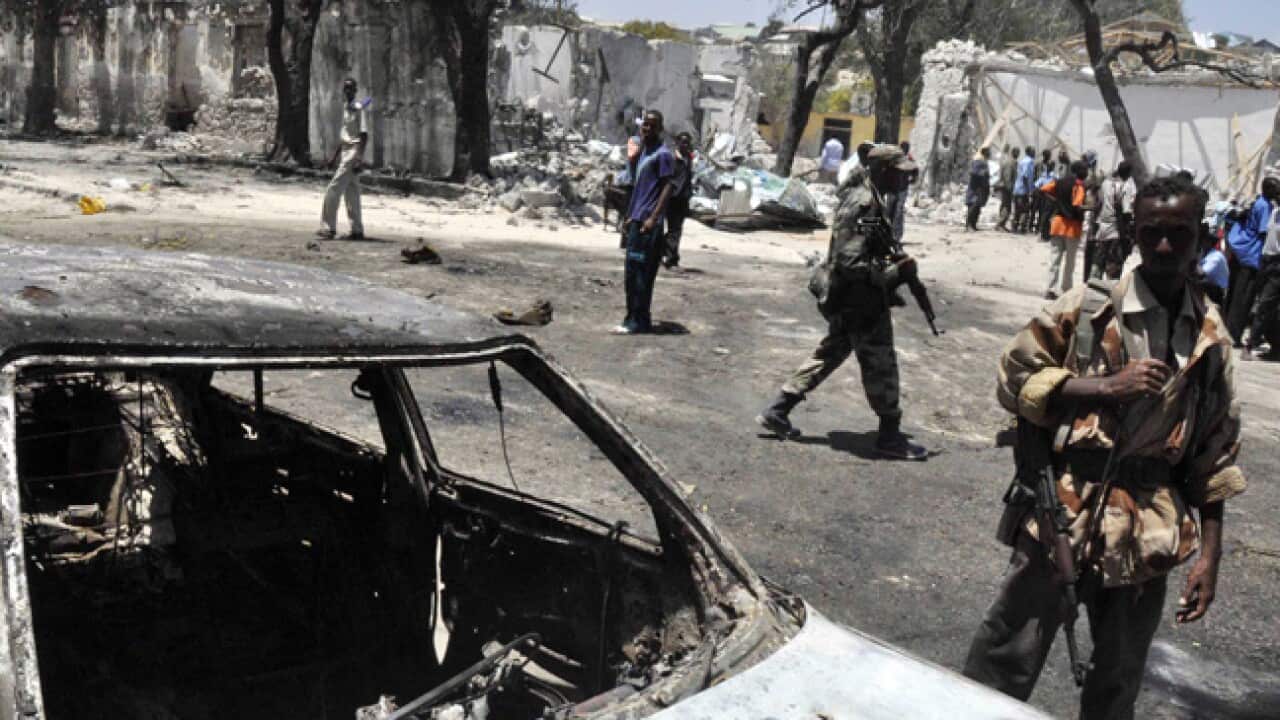
The announcement by Shebab spokesman Sheikh Ali Mohamud Rage will likely scuttle plans by aid groups to deliver emergency supplies to the rebel-held regions, weeks after the insurgents said they had lifted the ban.
News that makes sense
Your trusted source for staying up-to-date with the world around you. Get free daily news updates and analysis, straight to your inbox.
Relief groups had welcomed the easing of the two-year-old ban when the rebels appealed for help in the face of a severe drought that the UN said this week had left the southern Bakool and Lower Shabelle regions suffering famine.
UN CLAIMS ARE FALSE: AL SHEBAB
"Those earlier banned groups are not welcome to serve in our area of control," Rage said in a broadcast on the Islamist Al Furqaan radio.
"There is drought in Somalia but not famine -- what is declared by the UN is 100 percent false," Rage said.
"The declaration of famine is political and is a lie with hidden agendas," he added, admitting only that there is "a shortage of rain."
The hardline rebels in 2009 banned several foreign aid agencies, accusing them of being Western spies and Christian crusaders, and imposed strict rules that effectively impaired any humanitarian work in areas under their control.
Rage, a senior official of the extremist group declared a terrorist organisation by the United States, overruled previous declarations by other Shebab officials welcoming the famine declaration.
HARD-HIT
Somalia is the worst affected country in the drought-hit Horn of Africa region, with malnutrition rates the highest in the world.
Tens of thousands have already died in Somalia in recent months, according to the UN's Food and Agriculture Organisation, while thousands others have fled to seek refuge in neighbouring Ethiopia and Kenya.
Donors and relief groups said Thursday they were ready to test Shebab's pledge to allow aid through.
The World Food Programme announced that it will start flying aid into Mogadishu "within days."
The agency pulled out of Shebab-ruled southern Somalia regions in early 2010 due to the draconian rules and threats to its staff, but maintained presence in the war-riven capital.
Last week, the UNICEF made its first aid delivery consisting of five metric tonnes of food and medicine to the insurgent-controlled Baidoa town and said that the operation went well.
Some 12 million people in the Horn of Africa are facing starvation triggered by a prolonged drought described as the region's worst in decades.
The United States and the United Nations stressed Thursday the "acute urgency" of the severe drought spreading through the region.
Donors countries have ramped up aid pledges to assist the drought-stricken millions and the UN chief Ban Ki-moon said this week urged them to come up with $1.6 billion in aid to combat the crisis. Watch Dateline: Failed State here







