The Ibero-American community comprises 22 countries, but seven of the heads of state or government stayed away.
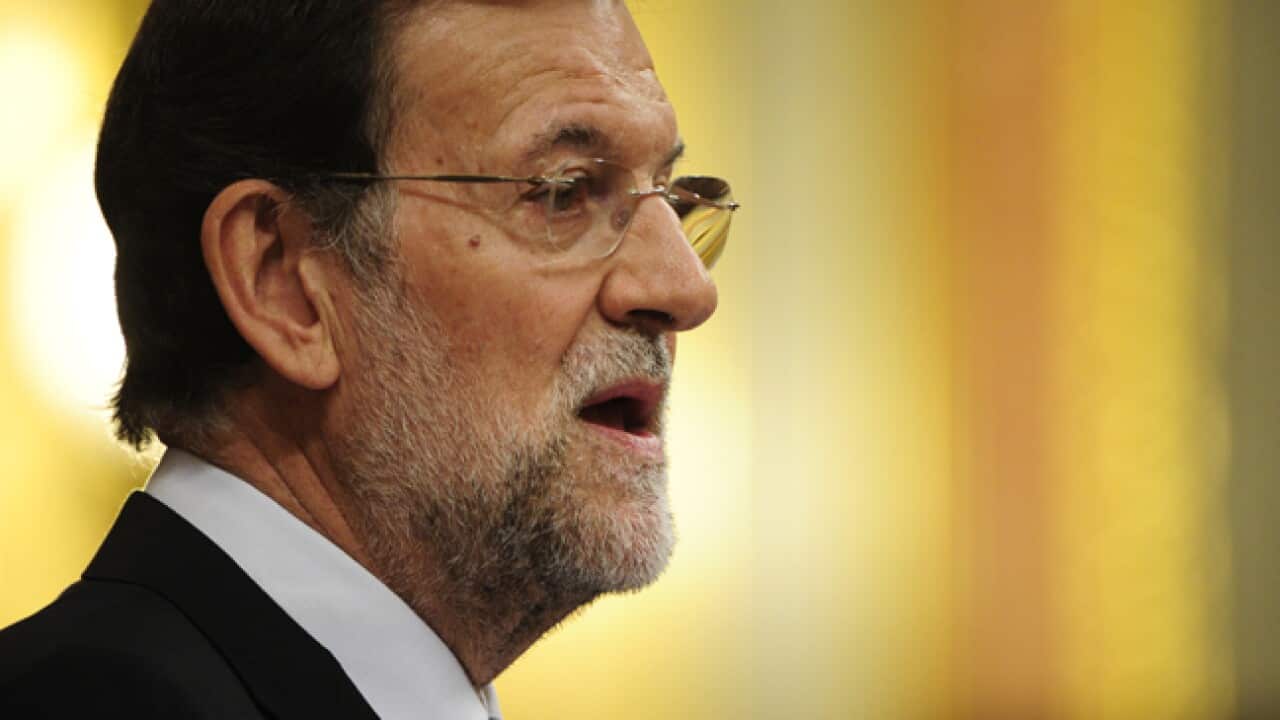
"Latin American investment is welcomed with open arms," Spanish Prime Minister Mariano Rajoy said on Saturday.
News that makes sense
Your trusted source for staying up-to-date with the world around you. Get free daily news updates and analysis, straight to your inbox.
He also urged Latin America to trade with the European Union (EU), "the world's biggest single market which offers the best potential for your exports."
Latin America's economies are growing at a rate of more than three per cent, while those of Spain and Portugal are expected to shrink by 1.5 and 3 per cent, respectively, this year.
Latin America's unemployment rate is 6.5 per cent, while Spain's and Portugal's have soared to 25 and 16 per cent, respectively.
"We are more open than ever to Latin America," Rajoy said.
The summit was expected to adopt measures to facilitate the entry of small and medium-sized companies into the Ibero-American market, which comprises 550 million people.
Ibero-American summits have been held since 1991, but interest in them appears to be decreasing, along with an increase of diplomatic activity in purely Latin American forums such as the Rio Group or the Economic Commission for Latin America (ECLAC).
The leaders of Argentina, Guatemala, Uruguay, Paraguay, Nicaragua, Venezuela and Cuba did not come to Cadiz. At the previous summit in Paraguay last year, half of the leaders did not show up.
The summit appointed former Chilean president Ricardo Lagos to head a working group assigned with revamping the summit system, Spanish Foreign Minister Jose Manuel Garcia-Margallo said.
The summits could be held every two years instead of annually, and buoyant Latin American economies could cover more of the cost, Spanish diplomatic sources said.
Spain currently finances 60 per cent of the budget of the Ibero-American Secretariat, which is based in Madrid.







