In brief
- Steve Irwin's friends remember the passionate wildlife researcher behind the global icon.
- Twenty years after his death, his conservation legacy continues to inspire new generations.
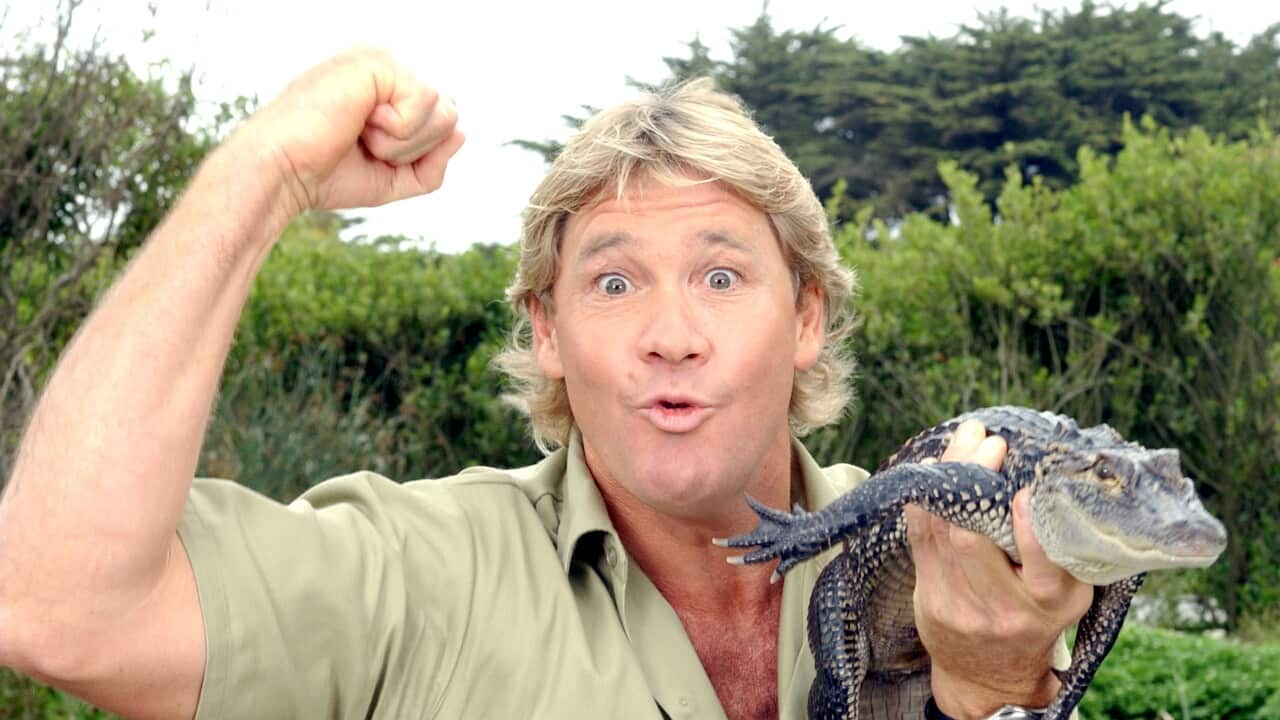
Twenty years after Steve Irwin's sudden death, a man who wrestled crocodiles with him for a living still can't talk about it without choking up.
In 2006, while holidaying in France, Mark Read had just returned from a walk with his baby daughter when he found his wife sobbing outside an internet café.
"When I came back, she was sitting in the gutter crying," he recalls.
"She said: 'Steve ... '".
Two decades on, the memories of the man the world knew as the Crocodile Hunter still bring a lump to his throat.
News that makes sense
Your trusted source for staying up-to-date with the world around you. Get free daily news updates and analysis, straight to your inbox.
"He's on the photograph on the wall in my lounge room," Read says.
"He's still very much part of us."
Read first met Irwin in 1997 on what can only be described as a very Steve Irwin kind of operation, a turtle rodeo in Queensland's Moreton Bay.
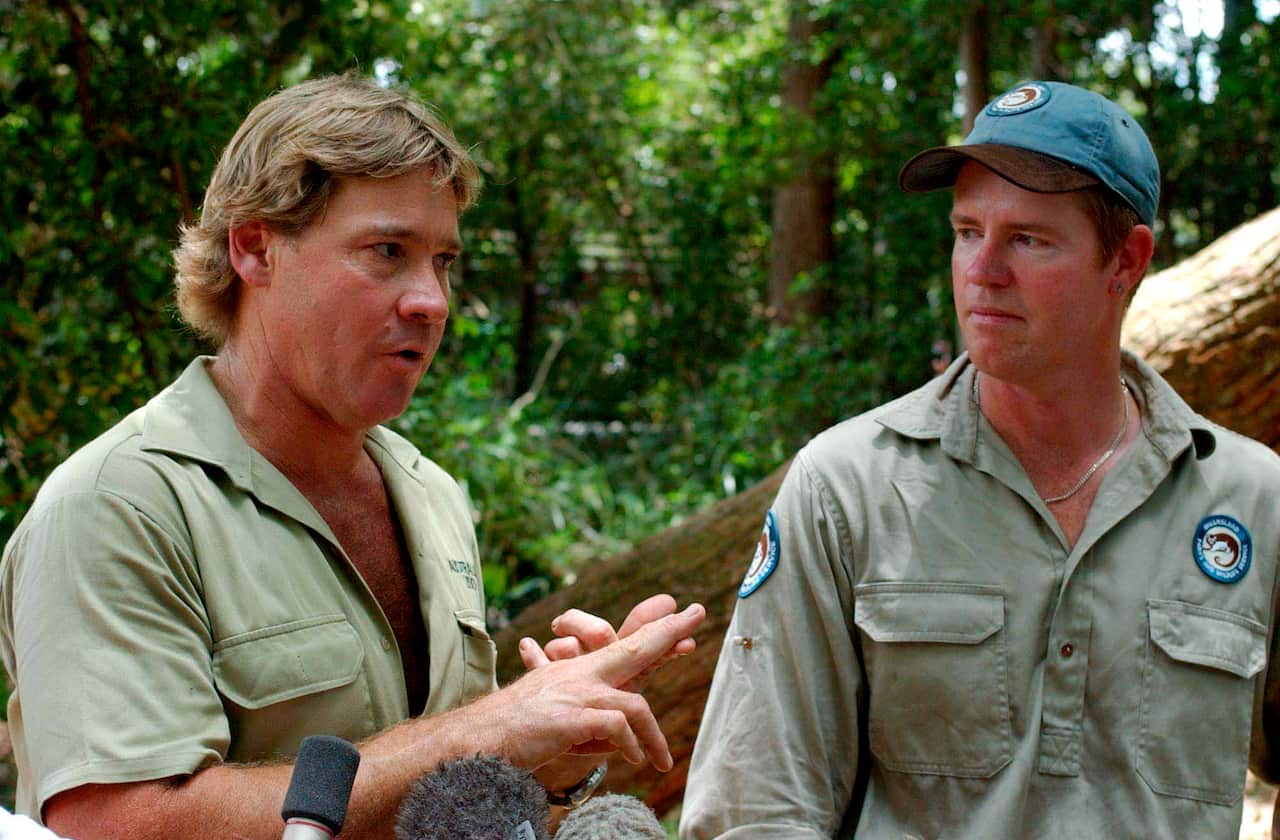
People were tearing around in small, fast boats in shallow water, hurling themselves overboard to wrestle the surprised critters to the surface in order to study their health, breeding status and growth rates.
From that chaotic first encounter, the pair went on to spend years working together on crocodile research across north Queensland.
Their collaboration helped launch a pioneering satellite‑tracking effort dubbed Crocs in Space, a partnership between the Queensland Parks and Wildlife Service, Australia Zoo and the University of Queensland.
It used some of the first functional satellite transmitters ever fitted to estuarine crocodiles, revealing how far the big predators could roam and even how many found their way home after relocation.
Far from a caricature, Read remembers Irwin as an extraordinarily intelligent, relentlessly curious collaborator in the field.
Irwin carried a tatty green backpack everywhere he went.
Inside was an even tattier folder and notepad he constantly filled with sketches to capture techniques and ideas for future research.
"You saw all the hallmarks of an incredibly active mind," Read says.
"He was super interested in the science."
There were long, quiet hours that never made it to television — nights around campfires and early mornings when Irwin would wake Read for tea and conversations about crocodiles, wild places and how to get the public to care.
For a man with global reach and serious earning power, Irwin never changed, turning up to remote field trips in boots with holes patched up with gaffer tape.
"This is not a bloke who relaxed on his airs and graces," Read says.
"It most certainly wasn't about earning a heap of money and living a lavish lifestyle."
What struck Read was Irwin's visceral understanding of dangerous animals.
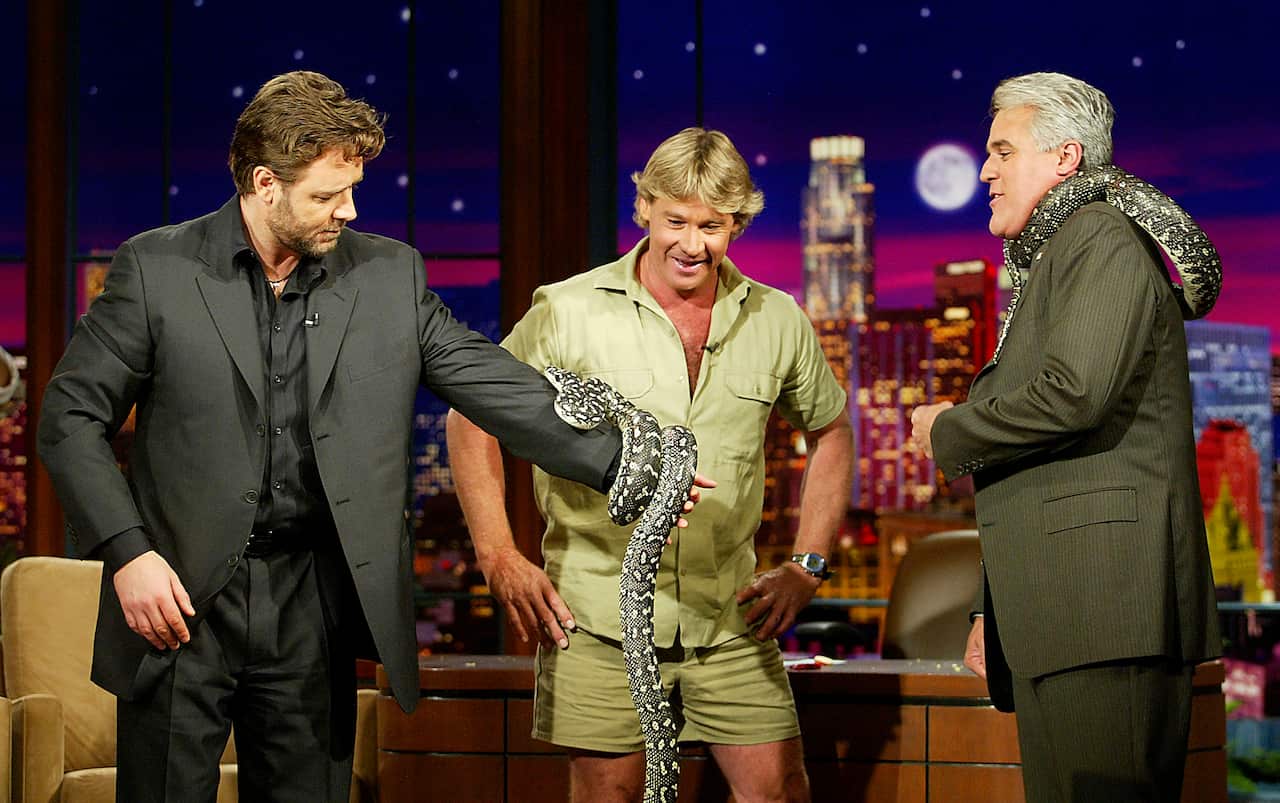
It was in the way he could read a crocodile's body language in a heartbeat or calmly scoop up a six‑foot coastal taipan snake from the grass, keep it unruffled, and then let it slide away as if it were the most natural thing in the world.
"He had this uncanny awareness working with crocodiles and snakes," Read says.
"He was so in tune with them."
He was, Read says, both a "proper stirrer" who loved teasing people in good humour and a deeply tender family man who "lived for his family".
When Steve and Terri Irwin's first daughter was born, they sent boxes of presents and an enormous floral arrangement to the family home.
When the Reads visited Australia Zoo with the baby, Irwin cried upon meeting her.
"He was such a family man. He lived for his family and epitomised that idea of Aussies being the salt of the earth."
It's this mixture of raw emotion, outrageous stunts and genuine care that has kept Irwin's memory alive long after dying from a stingray barb in waters off Port Douglas, North Queensland, on 4 September 2006.
'He inspired whole generations'
For people like Clancy Lester, Irwin has never been forgotten.
Growing up in country Victoria, the native bee researcher says he rarely watched movies or sitcoms on the family TV.
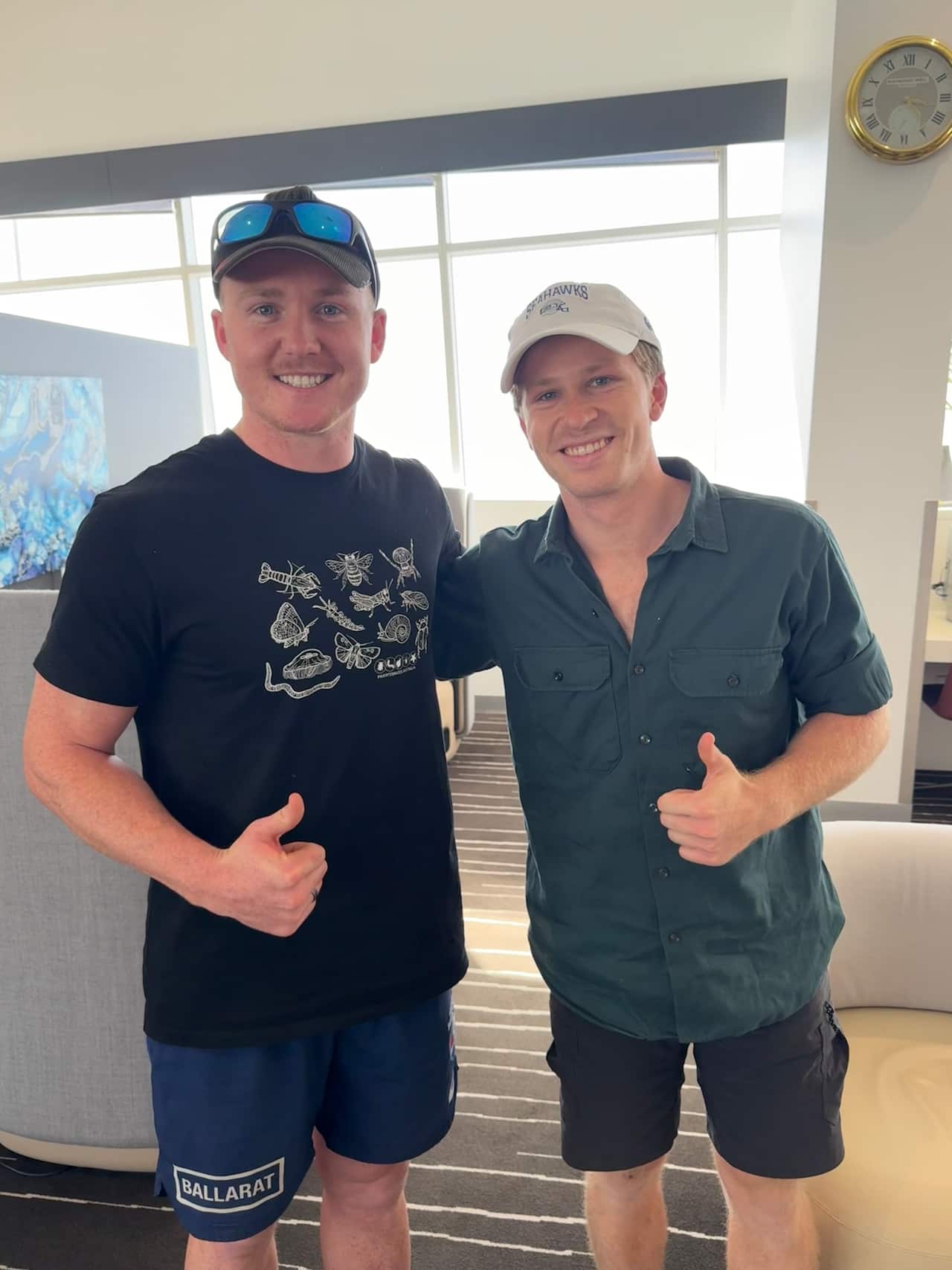
"I loved any nature documentary I could get my hands on," he tells AAP.
"I wasn't interested in watching TV or movies — it was just nature docs — so that's why Steve was always on."
Lester was five or six when Irwin died but the impact has endured.
Asked whether the Crocodile Hunter simply mirrored an existing obsession or lit the spark, he doesn't hesitate.
"Oh no, he absolutely got me interested," he says.
In primary school, when most of his classmates arrived at Book Week dressed as superheroes, Lester turned up in khaki as a tiny Crocodile Hunter.
Years later he completed a master's research project on native bees at the University of Melbourne, specialising in how Australia's pollinators interact with flowering plants.
In workshops, online posts and his Bees and Blossoms business he echoes Irwin's over‑the‑top enthusiasm to get people buzzing about pollinators and native plants.
"I definitely try and channel some of his enthusiasm for nature," Lester says.
"When someone has such a burning passion and is so extreme and just absolutely loves it to bits, it's infectious."
Long before algorithms and clickbait, it was Irwin's charm and love for the natural world that opened doors of wildlife fascination in viewers from Brisbane to New York.
Lester admits he uses Irwin's blueprint: be "a little bit extra", lean into enthusiasm and reach people who might never pick up a conservation report or tune into a science lecture.
"I don't think, I know that he inspired whole generations," he says.
From backpacker hostels overseas to university labs at home, Irwin remains shorthand for Australia itself.
"One of the first things people think of when you mention Australia is snakes and crocodiles and spiders and sharks - and then they go, and you've got the Crocodile Hunter on top," Lester says.
"He's like his own category."
Family carry the torch
Irwin's global recognition has been carried by widow Terri, daughter Bindi and son Robert.
They continue to run Australia Zoo and its wildlife hospital while fronting documentaries, talk shows and social media channels that reach millions.
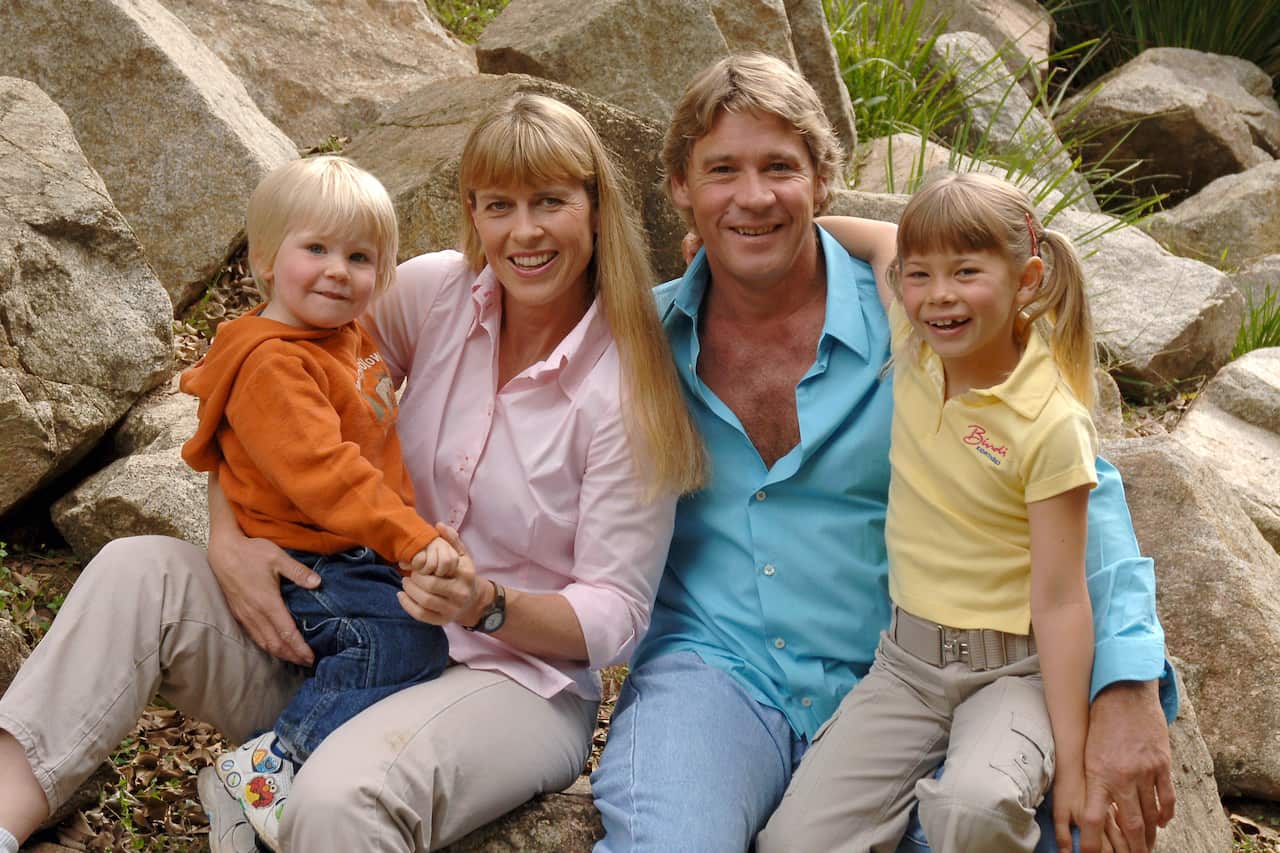
For them, this anniversary is not just about a global wildlife warrior but a much‑missed family man who has been sadly absent from his children's lives longer than he was in them.
"You'll be my hero for my entire existence. I love you more than words can describe," Bindi wrote in one tribute, alongside a photo of Irwin in his trademark khaki, proudly hoisting his infant daughter.
Where Irwin once leapt into frame with a writhing crocodile, today's conservation influencers are just as likely to be found on TikTok or in classrooms, talking about bees, soil microbes or urban wetlands.
But the template — big‑hearted enthusiasm, simple language and an insistence that even "scary" animals deserve protection — is unmistakably his.
Read sees that clearly in Irwin's son.
"One of his most outstanding legacies is the bloke who comes on television pretty regularly now and just looks like him, sounds like him, has the same mindset as him," he says.
"He's unashamedly using whatever weapons he has in his arsenal to promote conservation."
He believes Irwin would be "super proud" of his family and of what Australia Zoo has become, and still out there pushing hard for wildlife and wild places.
"If we want to change people's behaviours, change their mindset about why conserving species and habitats is important, you've got to give them messages that resonate with their value system," Read says.
"Steve could do that better than anyone."
For the latest from SBS News, download our app and subscribe to our newsletter.







