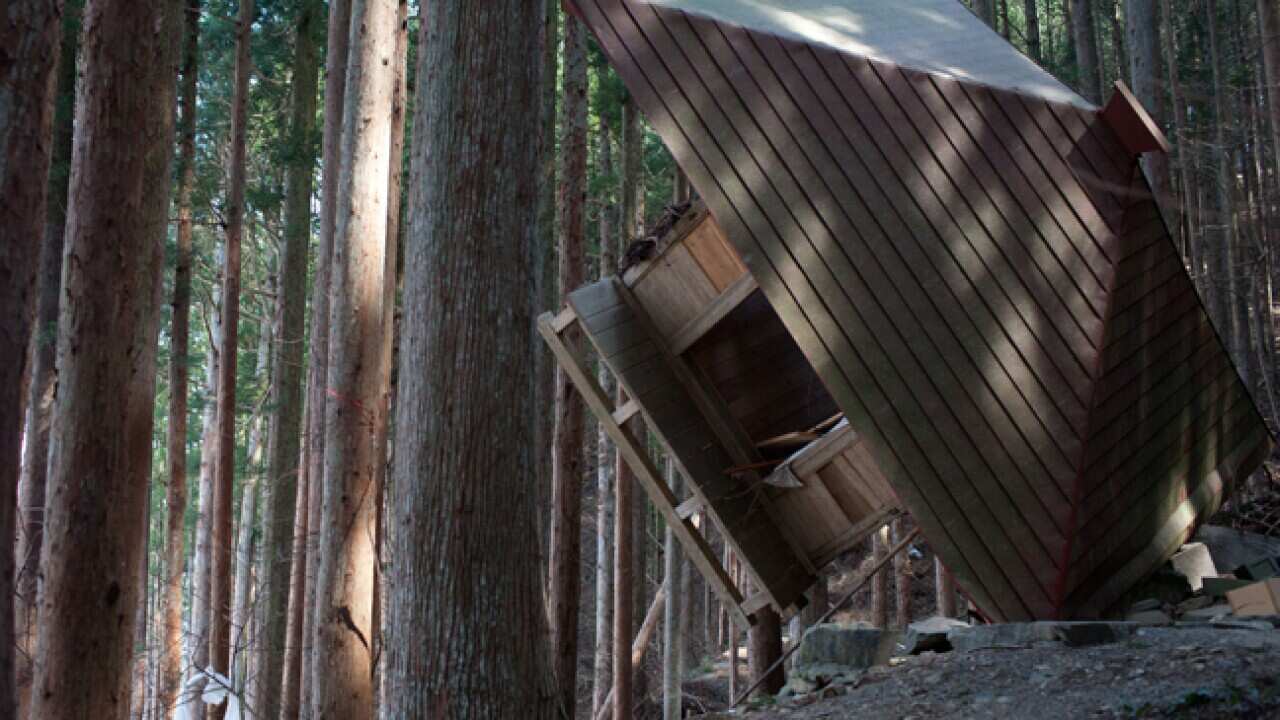
A strong earthquake of magnitude 5.8 hit central Japan on Saturday morning, the US Geological Survey said.
The quake, which shook buildings in Tokyo, struck at 11:19 am (0219 GMT), 83 kilometres (52 miles) north of the capital and at a depth of 20 kilometres, the USGS said.
Operator Tokyo Electric Power Co. (TEPCO) said the tremor did not disrupt the emergency crews who are working around the clock to cool crippled reactors at a nuclear plant hit by a devastating earthquake and tsunami last month.
News that makes sense
Your trusted source for staying up-to-date with the world around you. Get free daily news updates and analysis, straight to your inbox.
That earthquake, the biggest ever recorded in Japan, struck on March 11, triggering a huge tsunami and leaving 13,591 people dead, with another 14,497 still unaccounted for.
Tens of thousands of people lost their homes, while many others were forced to evacuate after a series of explosions at the Fukushima Daiichi nuclear plant sent radiation spewing into the air.
The radiation leaks have resulted in bans on produce from the affected area and hurt the fishing and farming industries because of public fears over radioactivity in food.
On Friday, Japan's government ordered TEPCO to offer payouts to tens of thousands of people made homeless by the ongoing crisis.
The total cost from collapsed or damaged houses, factories and infrastructure such as roads and bridges is estimated to reach 16-25 trillion yen over the next three fiscal years, according to the Cabinet Office.
There were no immediate reports of any damage or casualties from Saturday's quake, which the Japan Meteorological Agency said had a magnitude of 5.9 and struck at a depth of 70 kilometres underground.
Japan mulls 'disaster bonds': report
Japan is considering issuing special bonds to fund reconstruction following last month's massive earthquake and tsunami, and imposing a new tax to repay the debt, a report said Saturday.
The new bonds would be used to finance the rebuilding of infrastructure, creating jobs and supporting local businesses, the Nikkei newspaper reported without citing sources.
Prime Minister Naoto Kan's embattled government has already said it is eyeing an initial budget of more than four trillion yen ($48 billion) to finance the first wave of reconstruction in Japan's devastated northeast.
The total cost from collapsed or damaged houses, factories and infrastructure such as roads and bridges is estimated at 16-25 trillion yen over the next three fiscal years, according to the Cabinet Office.
The upper estimate would put the disaster's financial impact at more than double the 9.6 trillion yen of the 1995 Kobe earthquake, which killed more than 6,400 people.
However, any new borrowing is likely to prove controversial in Japan, which already has the highest debt levels anywhere in the industrialised world, at around 200 percent of GDP.
The new debt could be repaid though an increase in either income or consumption tax, the report said.
Money raised from the special "disaster bonds" would be restricted to financing the recovery, and could not be used for any other purpose, it said.







