
IN BRIEF
- More than 1,200 sharks were spotted along the NSW coast during winter.
- Experts warn drowning is a greater danger for Australians choosing to swim in the sea during summer.
As spring temperatures rise, Australians are flocking to the beaches. But with recent shark attack reports, how can you stay safe in the ocean?
New data released by the NSW Department of Primary Industries showed that more than 1,200 sharks had been detected by SharkWatch drone operations between July and August — leading to 360 interventions, including beach and surf evacuations and siren signalling.
Despite the rise in reports, marine expert Dr Rob Harcourt told SBS News it's a matter of greater visibility, not increasing danger.
"Don't be concerned," he said.
News that makes sense
Your trusted source for staying up-to-date with the world around you. Get free daily news updates and analysis, straight to your inbox.
"There hasn't been an increase in shark attacks. What we've had is a lot more awareness of what is going on."
He said it's common shark behaviour to travel near the shoreline to feed but the rising trend of ocean swimming means more people are "coming into contact with sharks".
"Most of the time, nothing happens."
While Australian waters are home to more than 700 different species of shark, Harcourt said there's three that are most commonly involved in shark attack incidents: bull sharks, tiger sharks and white sharks.
Tiger shark attacks are less common as they live mostly offshore. White sharks are "visual predators" and will hunt prey at any time, day or night.
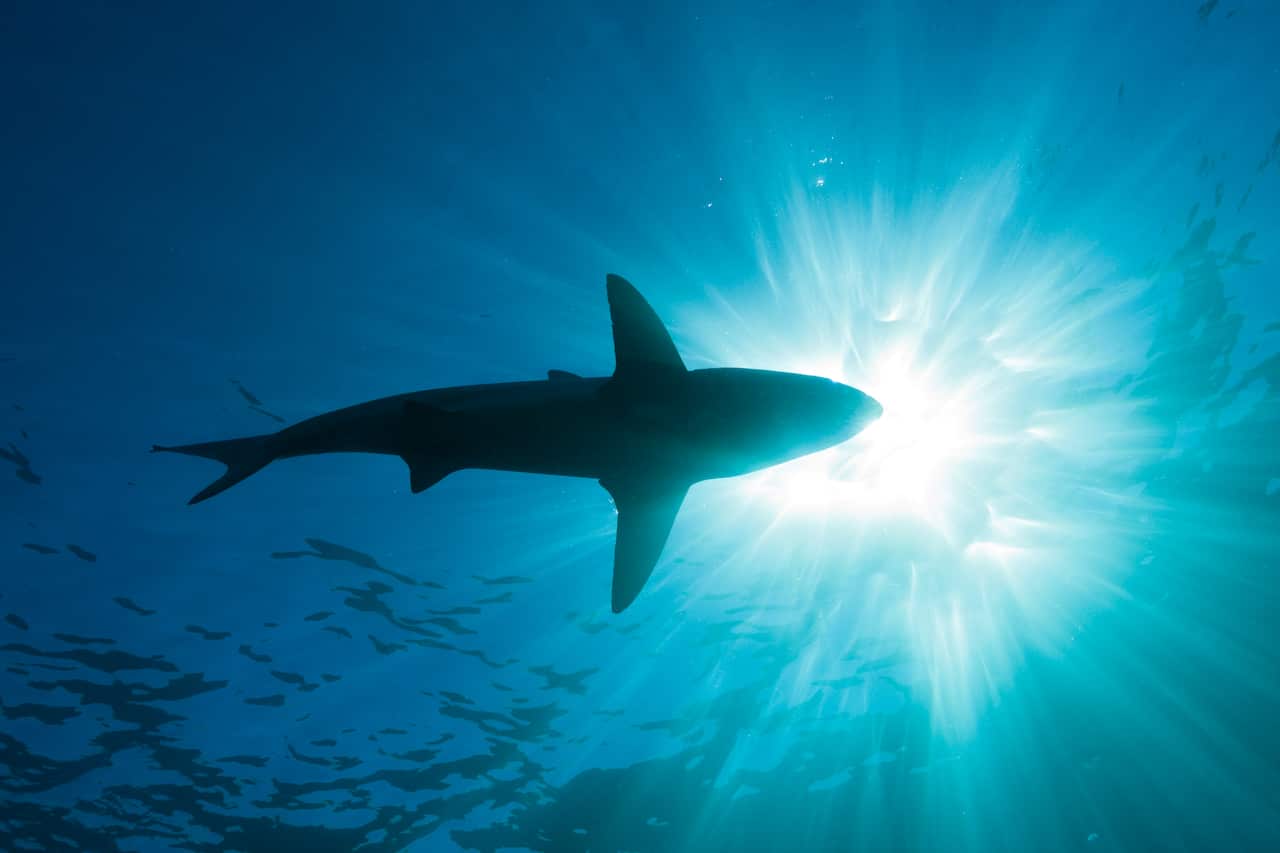
Bull sharks are the most common species beachgoers come into contact with as they are "very coastal and tolerant of lots of fresh water" so swim up into rivers and harbour areas.
They hunt predominantly around dusk and dawn, most commonly after heavy rainfall when water is foggy.
"Lots of the time sharks will swim past people and completely ignore them. If they investigate a person ... they might take an investigative bite which can cause us huge damage," Harcourt said.
"Sometimes they do treat people like prey, sometimes people are completely taken."
To keep safe while visiting the beach, Harcourt said it's crucial to swim between the flags and in a crowd.
"Don't swim where people are fishing and don't swim at dusk or dawn," he said.
If you're surfing, Harcourt advised checking the water pollution.
"Don't go in the water when it's dirty ... if the water is polluted, don't swim; there might be sharks around."
For eight years, NSW Surf Life Saving has run SharkWatch, a shark surveillance program monitoring 95 beaches with 80 drones — operated by around 650 volunteer pilots.
Drones fly from dusk to dawn and are red and yellow coloured, making them easy to identify from the surf. Surf lifesaving staff operate them from the beach while in uniform.
"They're equipped with loudspeakers so the pilots can talk directly to swimmers and surfers in the water if there's impending danger. They also have a loud audible siren," said NSW Surf Life Saving CEO Steven Pearce.
"We both identify the sharks, and then we deploy countermeasures if it's deemed required."
In 2025, 1,000 sharks were spotted via SharkWatch drones, with 800 countermeasures enacted.
"We enacted them because of shark sightings; they were evacuating the beach, setting off the sirens on the drones or evacuating the water."
While Harcourt said it's important to be aware of your risk of danger from sharks, the biggest risk in the ocean is drowning.
"You're more likely to come up against big waves or strong currents. If you do what keeps you safe from that, you're likely to stay safe from sharks," he said.
According to Pearce, 60 people died from coastal drownings in NSW in 2025 — 30 dying after swimming at unpatrolled beaches.
In the same year, only four people died from shark bites.
Pearce said it's crucial for those choosing to swim in the ocean this year to prioritise patrolled beaches and swim between the red and yellow flags.
For the latest from SBS News, download our app and subscribe to our newsletter.







