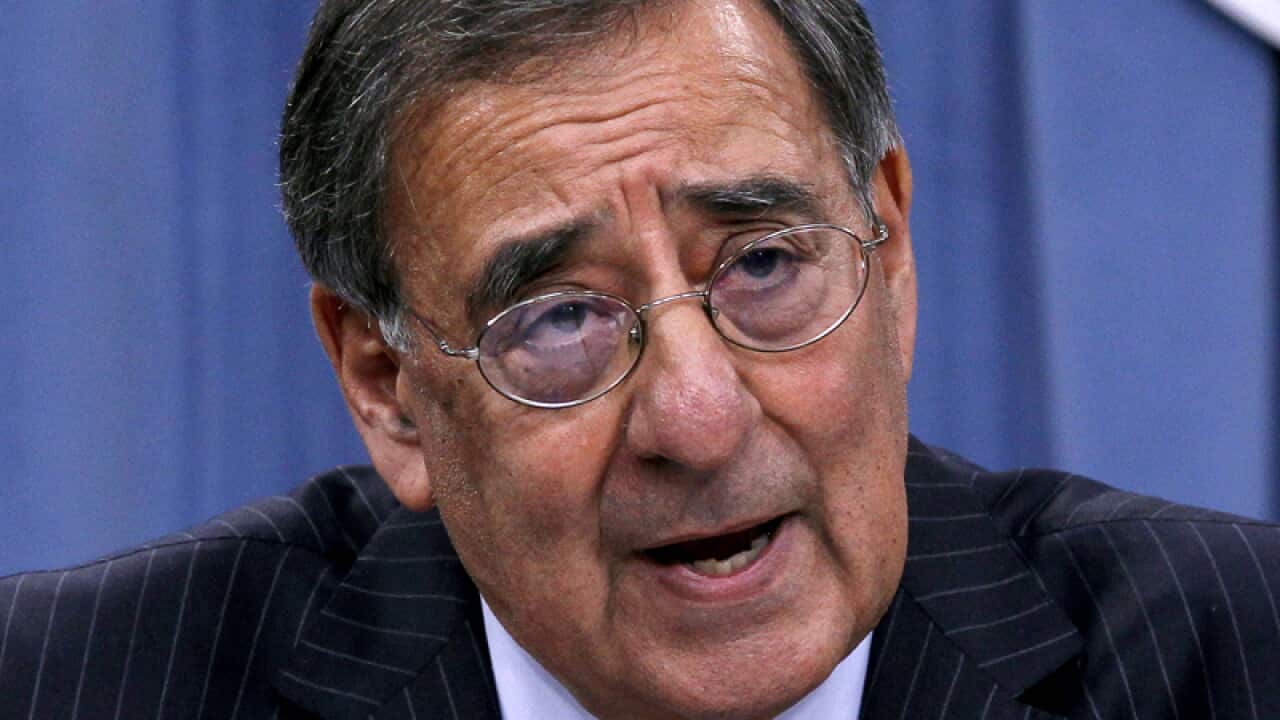
"There has been some intelligence that with regards to some of these sites there has been some movement ... in order for the Syrians to better secure the chemicals," Panetta told a joint news conference with his Canadian counterpart on Friday.
"We still believe, based on what we know and what we're monitoring, that the principal sites remain secure," he said.
News that makes sense
Your trusted source for staying up-to-date with the world around you. Get free daily news updates and analysis, straight to your inbox.
Asked if rebel forces had gotten their hands on some chemical stockpiles, Panetta said: "I don't have any specific information about the opposition and whether or not they've obtained some of this or how much they've maintained."
Syria's chemical weapons stockpile dates back to the 1970s and are the largest in the Middle East, but its precise scope remains unclear.
The regime has said it might use its chemical weapons if attacked by outside countries, although not against its own people.
Last month French President Francois Hollande warned that the use of chemical weapons by the Syrian regime would provide a legitimate cause for a foreign intervention.
The German magazine Der Spiegel reported on Monday that the Syrian army has tested a chemical weapons delivery system, firing shells at a research centre in its northwestern desert region.
Citing witnesses, the magazine said five to six empty shells designed for chemical agents were fired by tanks and aircraft at Diraiham in the desert, at the Safira research centre - the country's largest testing site for chemical weapons.
Iranian officers, believed to be members of the Revolutionary Guards, were flown in by helicopter for the testing, according to witness statements cited by the magazine.
Panetta's comments came as rebel forces in Syria launched a barrage of mortar fire against troops in Aleppo after announcing a "decisive" battle for the city, according to residents and a rights group.
Rebels claimed they had advanced on several fronts, particularly in the southwest, but admitted they had failed to make any significant breakthrough.







