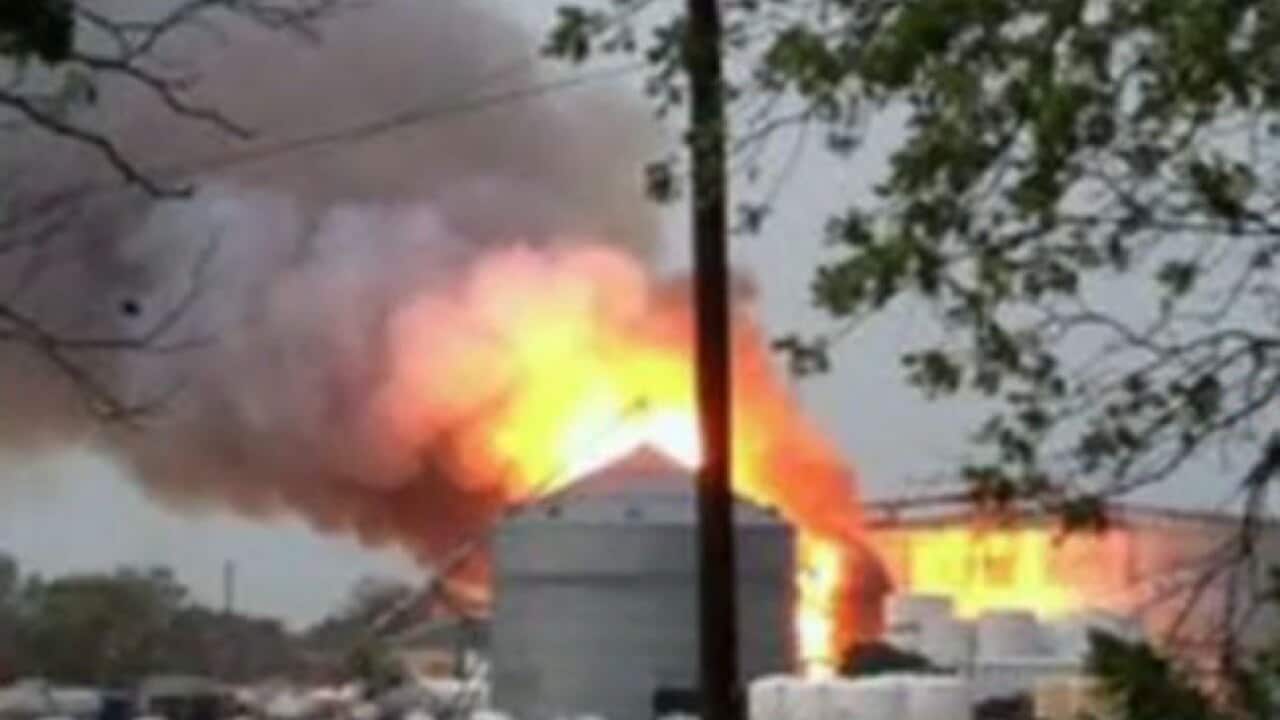
West Fertilizer Co. reported having as much as 54,000 pounds (24,494kg) of anhydrous ammonia on hand in an emergency planning report required of facilities that use toxic or hazardous chemicals.
But the report, reviewed on Wednesday night by The Dallas Morning News, stated "no" under fire or explosive risks. The worst possible scenario, the report said, would be a 10-minute release of ammonia gas that would kill or injure no one.
The second worst possibility projected was a leak from a broken hose used to transfer the product, again causing no injuries.
News that makes sense
Your trusted source for staying up-to-date with the world around you. Get free daily news updates and analysis, straight to your inbox.
The plan says the facility did not have any other dangerous chemicals on hand. It says that the plan was on file with the local fire department and that the company had implemented proper safety rules.
Advisories on safe handling of anhydrous ammonia generally state that the chemical is not considered an explosion risk when in the air as a gas. They say, however, that it can explode in certain concentrations inside a container.
"Emergency responders should not mix water used for firefighting directly with anhydrous ammonia as this will result in warming of the product, causing the liquid to turn into a vapor cloud," says the website of Calamco, a growers' co-operative in California.
Explosive hazards with fertiliser are more commonly linked to ammonium nitrate, which is widely used both in agriculture and as an explosive in construction and mining.
A mixture of ammonium nitrate and fuel oil was used to make the bomb that destroyed the Alfred P. Murrah Federal Building in Oklahoma City 18 years ago on Friday.







