IN BRIEF
- Ukraine says only US-made Patriot systems can stop Russia's fastest missiles, but it lacks enough interceptors.
- Ukraine is targeting Russian launchers and developing new defences to reduce reliance on Patriot systems.
When Russia fires a ballistic missile at Ukraine, air defence systems have only minutes — sometimes seconds — to detect and intercept the deadly threat.
The lack of time has left Kyiv and other Ukrainian cities increasingly exposed to devastating attacks by the missiles that come down so fast and so steeply that Ukraine says only the United States-made Patriot defence system can stop them. But Ukraine says it has too few batteries and interceptors to protect itself.
Unlike cruise missiles, which behave like pilotless planes, ballistic missiles are launched like rockets and then dive steeply toward their targets at several times the speed of sound.
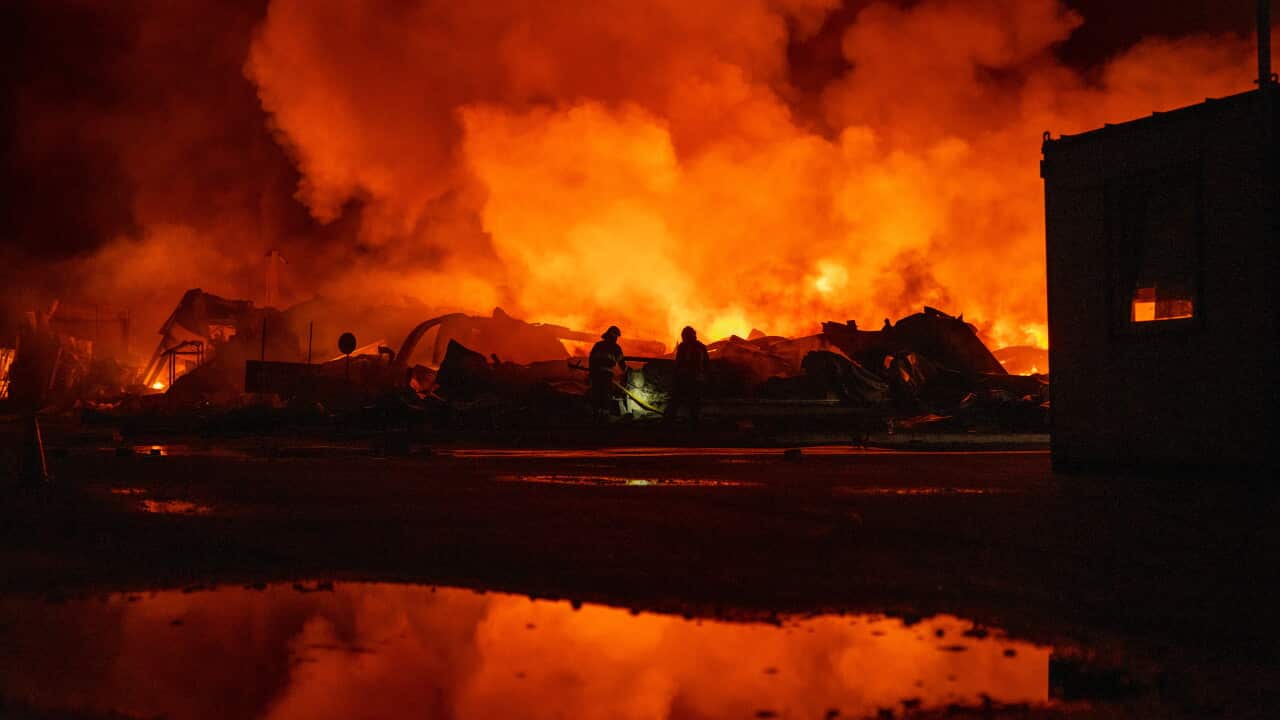
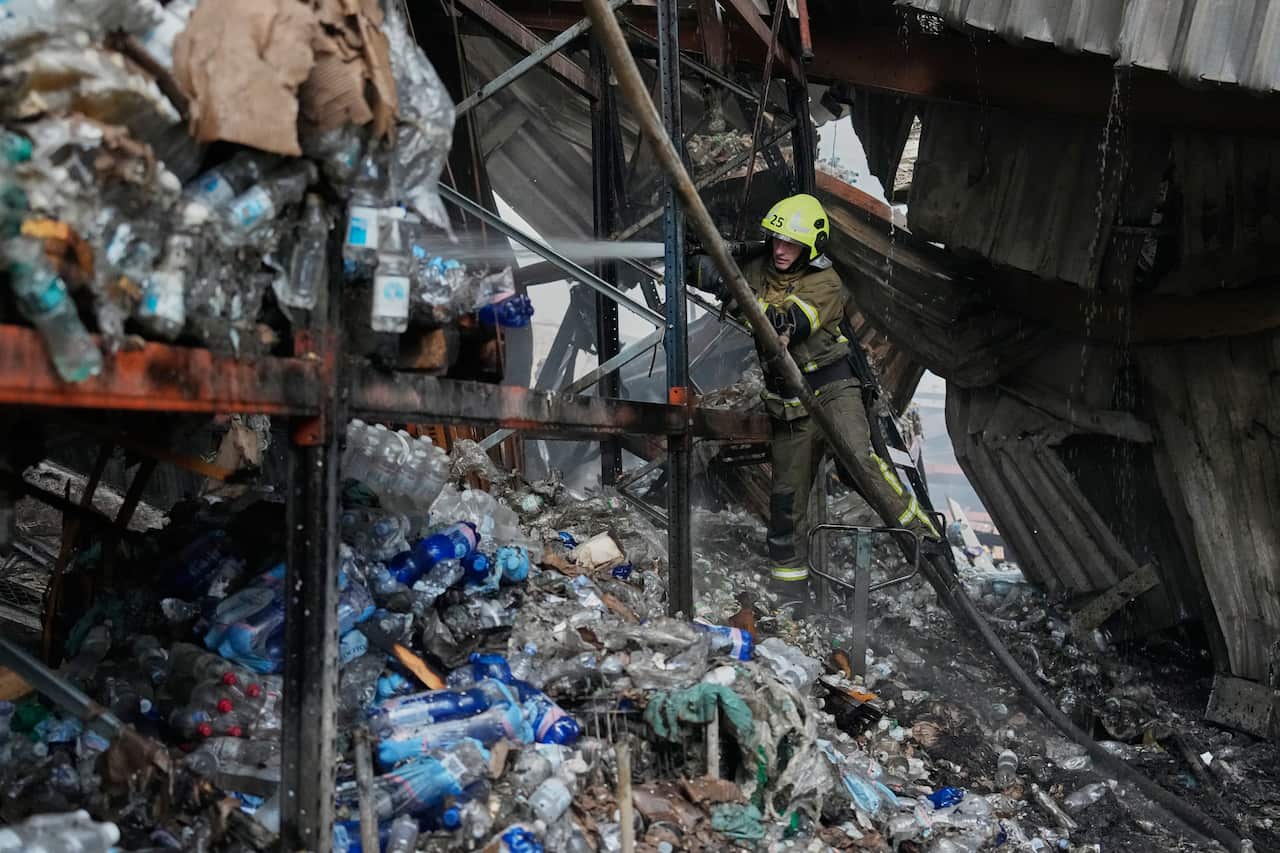
That sharply reduces the time available to find and destroy a warhead. The result has been repeated attacks like the latest barrage on the Ukrainian capital that targeted a brewery, a warehouse and a mail-sorting office. At least 17 people were killed and dozens more wounded in the attack on Wednesday, Ukrainian President Volodymyr Zelenskyy said.
When the warhead is hurled toward its target, "it’s very, very steep and it’s going at a ridiculous speed", according to Thomas Withington, an expert on electronic warfare at the Royal United Services Institute, who compared the physics to playing catch. If the ball is "going really fast, it's harder to catch".
News that makes sense
Your trusted source for staying up-to-date with the world around you. Get free daily news updates and analysis, straight to your inbox.
Russia's ground-launched Iskander-M missile is its main ballistic missile. Another example is the air-launched Kinzhal missile. Russia has also fired S-300 and S-400 air-defence missiles at ground targets. A model known as the Zircon is technically a hypersonic anti-ship cruise missile, but its high speed resembles that of a ballistic missile and creates a similar interception problem.
Here's a look at the challenge of shielding Ukraine from some of Russia's deadliest projectiles.
Patriot system offers some protection
The most capable Patriot system supplied to Ukraine is designed for high-speed missile defence. Instead of exploding near a target, the PAC-3 system uses a manoeuvrable interceptor designed to collide with an incoming warhead. The Patriot technology must track the missile, predict its path and launch within minutes, sometimes leaving seconds for the final engagement.
Patriots are currently the only system in Ukrainian service capable of intercepting the Russian Iskander-M, S-400 and Zircon missiles, according to Ukrainian Air Force spokesperson Yurii Ihnat. The US and its allies operate other anti-ballistic systems, including THAAD and sea-based Aegis defences, but they have not been provided to Ukraine.
Even Patriot protection is not guaranteed. When a Patriot battery is absent, out of position or short of missiles, most other Ukrainian defences cannot substitute for it.
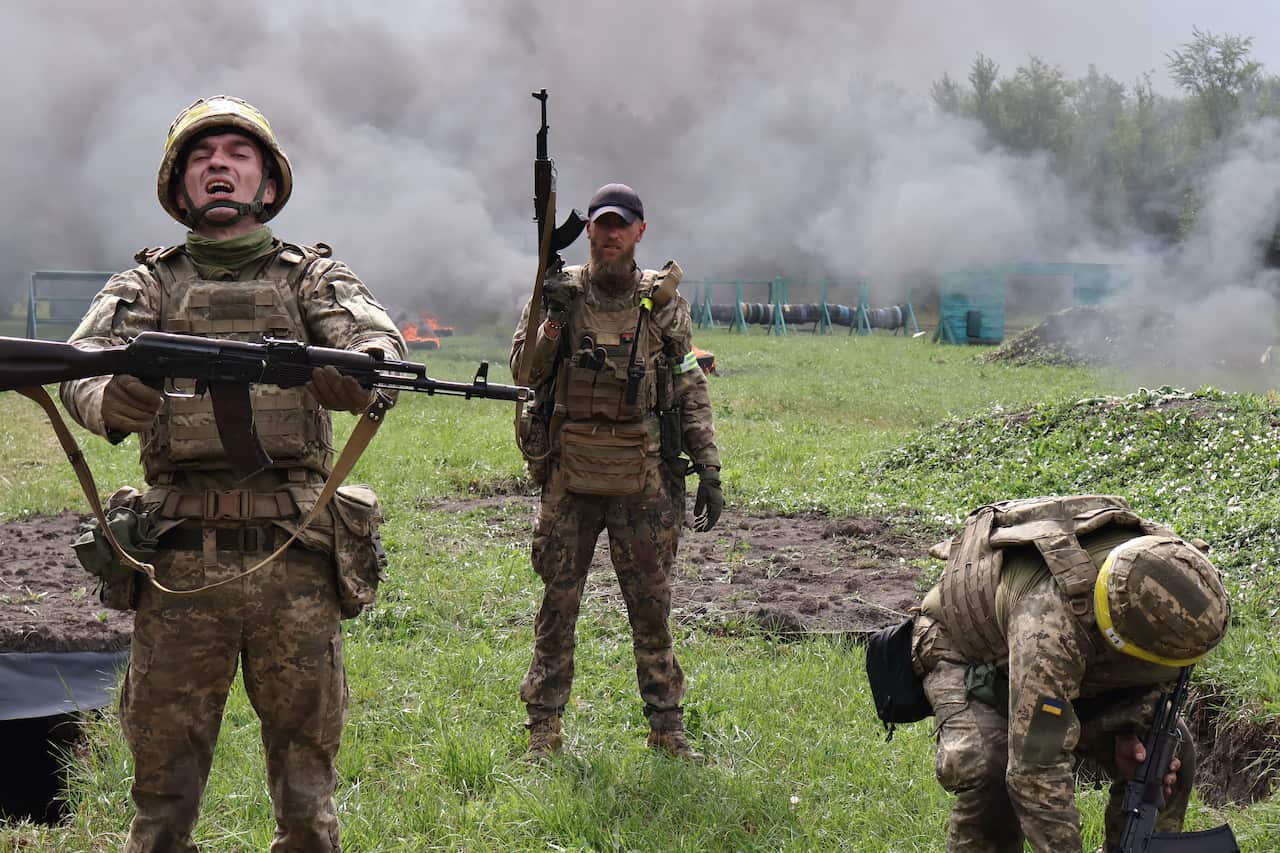
Ukraine has too few batteries to shield every city. Russia combines ballistic missiles with cruise missiles, drones and decoys, forcing defenders to track many threats and ration scarce interceptors.
The Wednesday attacks were described by the United Nations (UN) as the deadliest Russian strikes on Kyiv this year.
Preliminary data from the Ukrainian air force found defence systems shot down 98 of 115 missiles launched by Russia on Wednesday. However, Ukraine was unable to shoot down any ballistic missiles during the attack.
That followed a warning from Zelenskyy last week, who said Ukraine had run out of interceptor missiles for its Patriot air defence systems, and only one of the 27 ballistic missiles fired by Russia had been intercepted.
The Ukrainian president has also said his country received only one-third as many air-defence missiles in the first half of 2026 as in the same period last year. He said Ukraine's partners that are unwilling to increase interceptor deliveries immediately should instead impose new sanctions, noting that a significant share of Russia's ballistic missile production has been untouched by sanctions.
Ukraine has been seeking the latest Patriot interceptor missiles from the US. The Reuters news agency also reported that the US is pressing ahead with discussions to allow Ukraine to manufacture the interceptors domestically, despite US President Donald Trump expressing reservations about the proposal.
Ukraine's struggles to counter Russian ballistic missile attacks have also prompted a renewed push for air defence support, with NATO secretary-general Mark Rutte saying on Thursday he would discuss with allies how to get Ukraine the air defences it "urgently needs".
Ukraine looks beyond air defence to stop strikes at the source
Ukraine is also trying to destroy Russian missile launchers and infrastructure before missiles can be fired — shooting the archer instead of the arrow.
People familiar with the discussions told the Associated Press that Zelenskyy asked Trump to help secure Elon Musk’s permission for Ukrainian forces to use Starlink communications for targeting inside Russia, where Musk has restricted the service.
Such access could help Ukrainian drones hunt launchers and related infrastructure, reducing the number of missiles Patriot batteries must face. The request had not been publicly confirmed by the White House, the Ukrainian Embassy or SpaceX.
Kyiv is also developing Freya, a proposed Ukrainian-led, lower-cost anti-ballistic system intended to reduce dependence on Patriots.
Ukraine and nine European countries formed a coalition in July to pursue a shared missile-defence capability, with Zelenskyy saying they could jointly develop a mass-produced system within 12 months.
Freya remains under development, and it is unclear when it could become operational.
For the latest from SBS News, download our app and subscribe to our newsletter.







