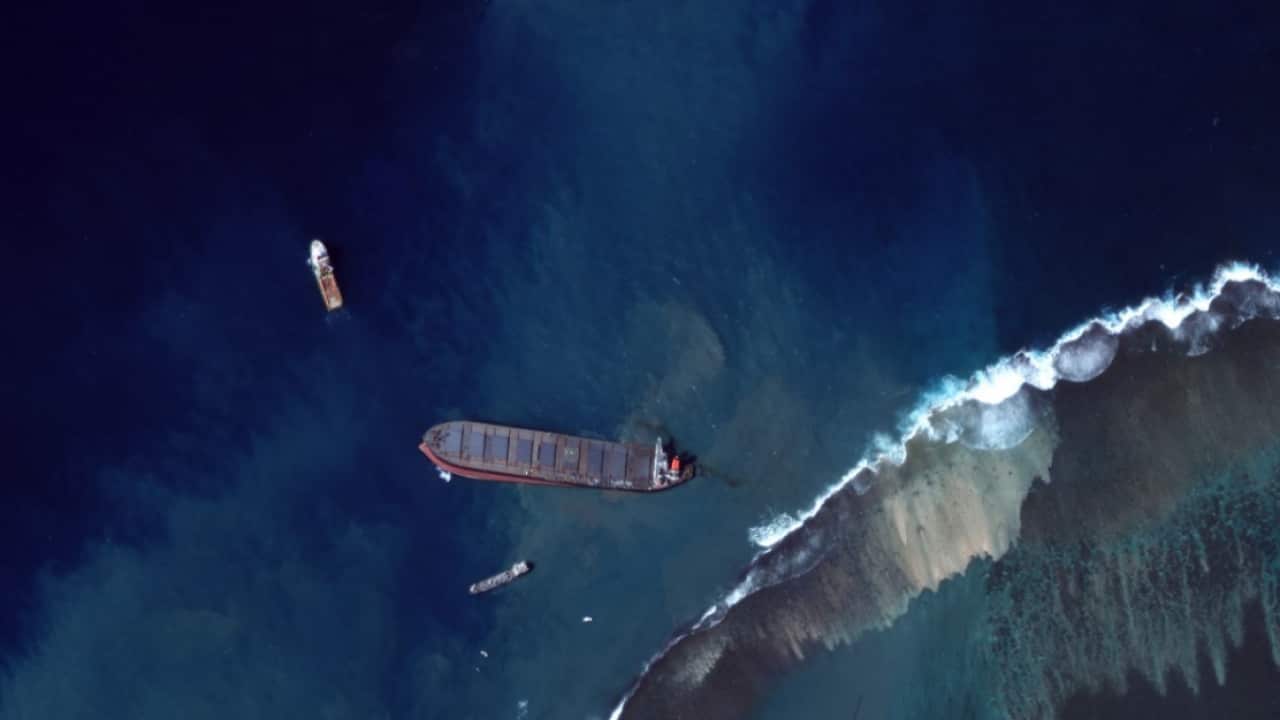
In the usually pristine waters off Mauritius, a devastating environmental disaster is unfolding.
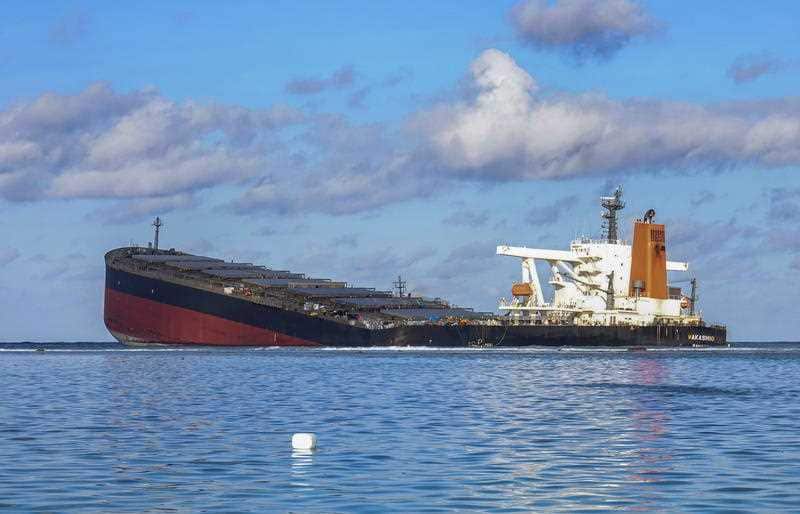
Three weeks ago, a Japanese tanker ran aground, before splitting on the weekend and sending thousands of tonnes of heavy oil, diesel and lubricants into the ocean.
The spill already qualifies as the Indian Ocean island nation's "worst ecological disaster", according to Greenpeace Africa campaigner Happy Khambule, who says it is putting "unique species under immediate threats".
News that makes sense
Your trusted source for staying up-to-date with the world around you. Get free daily news updates and analysis, straight to your inbox.
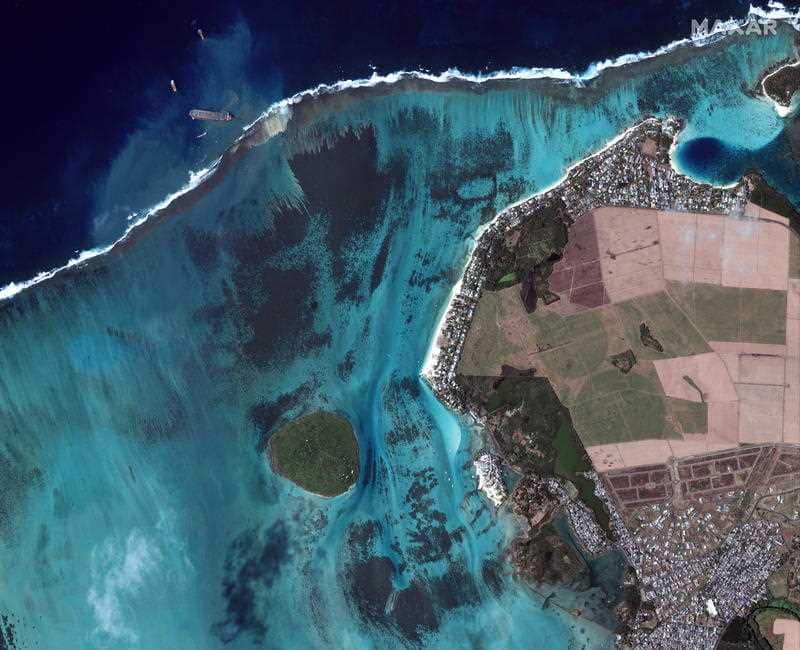
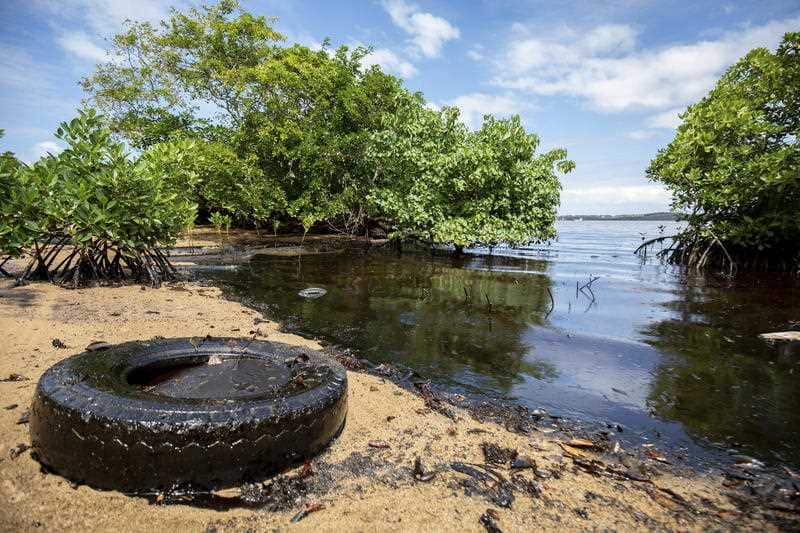
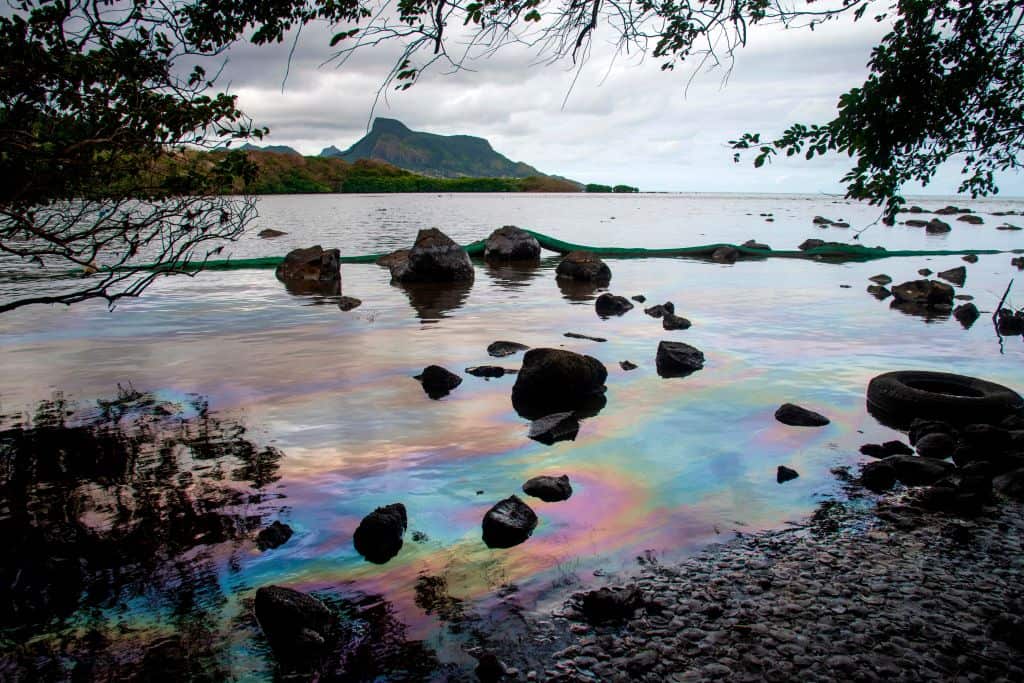
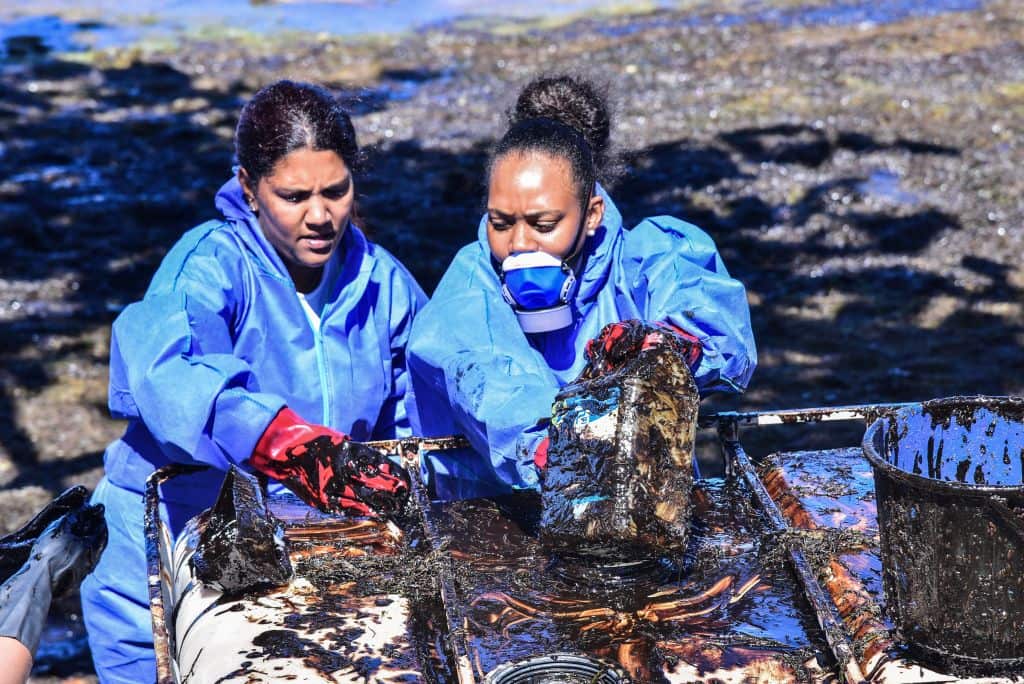
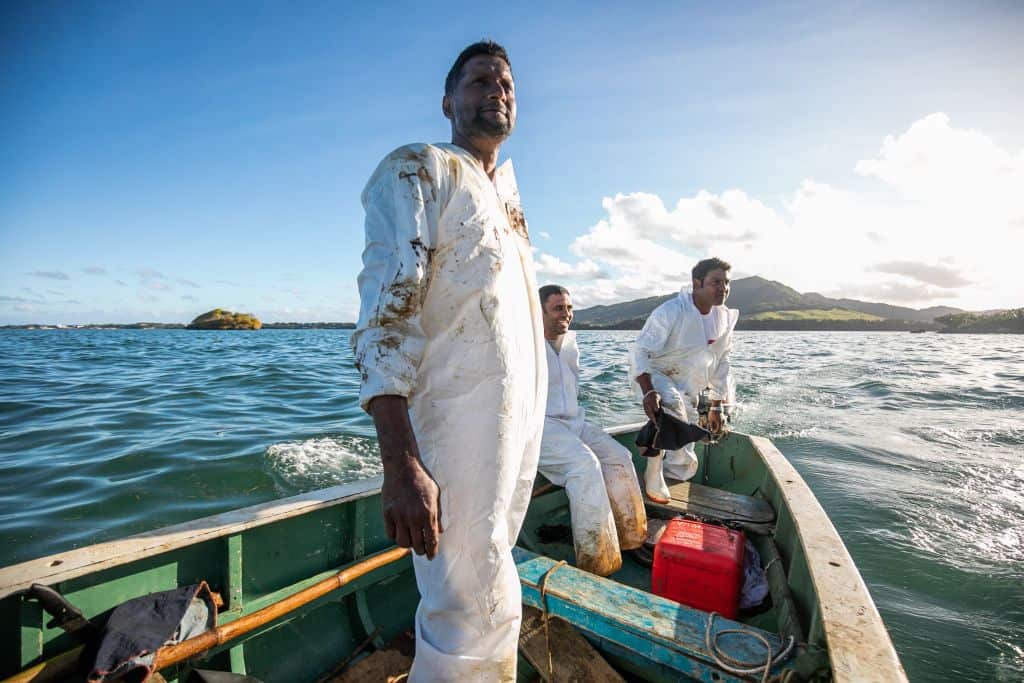
Now, thousands of volunteers are working with international experts to limit the damage from the spill, which has spread into the Ile aux Aigrettes Nature Reserve and the Blue Bay Marine Park, known for their endangered green sea turtles.
Around 1,000 tonnes of oil was believed to have leaked into the sea before the ship split in two on the weekend.
Mauritian authorities say poor conditions made safely pumping out the remaining oil and liquids risky.
“In view of the rough sea condition, the salvage company … has informed us that it cannot carry on with the pumping of the remaining oil,” the Mauritius National Crisis Committee said in a statement.
“This oil spill occurred in one of, if not the most, sensitive areas in Mauritius … We are talking of decades to recover from this damage, and some of it may never recover,” Vassen Kauppaymuthoo, an oceanographer and environmental engineer, told Reuters.
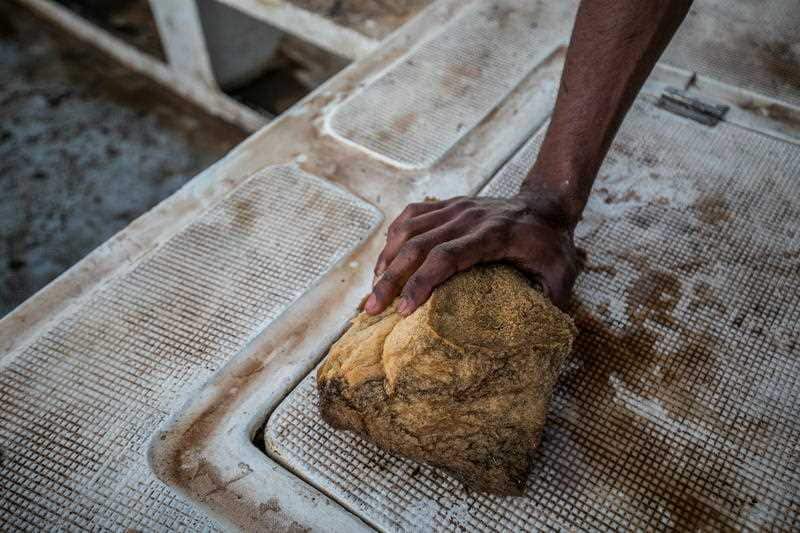
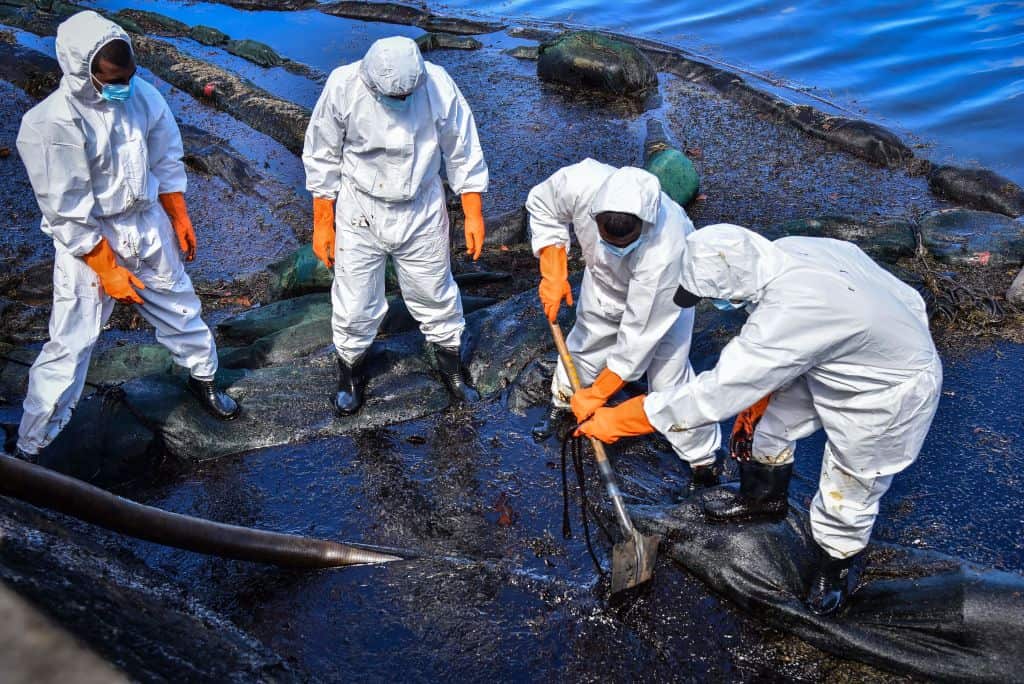
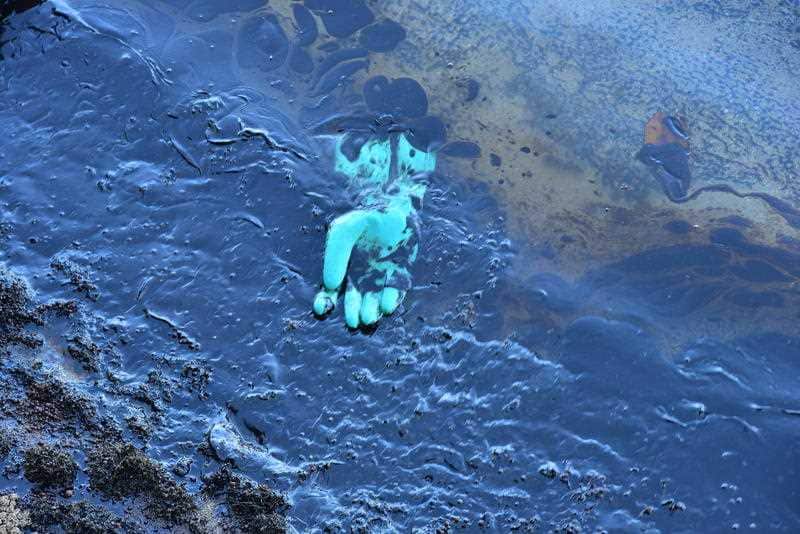
Mangrove trees, critically endangered pink pigeons, sea grasses and clownfish are among the species threatened by the spill.
Officials have warned locals to stay away from the oily water, warning of dangers to their health.
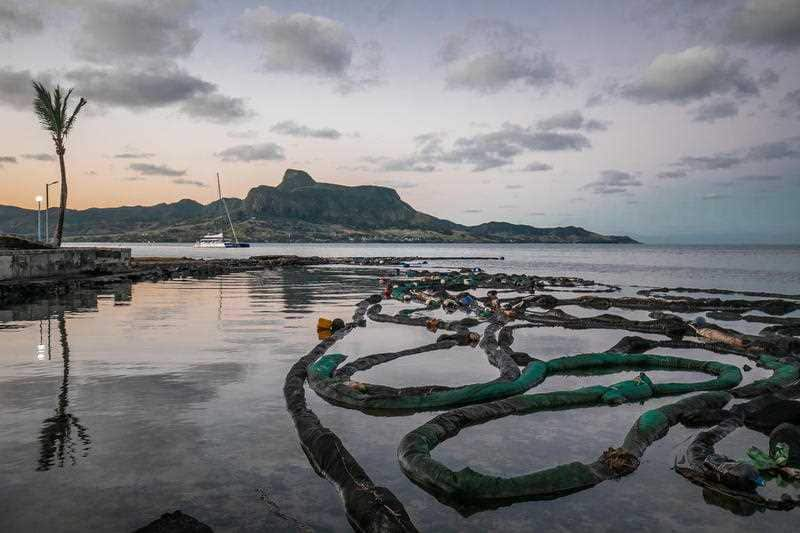
But many have ignored that advice, engaging in desperate attempts to stop the oil spill from spreading, with some even cutting off their own hair to make brushes to attempt to remove oil from the water.







