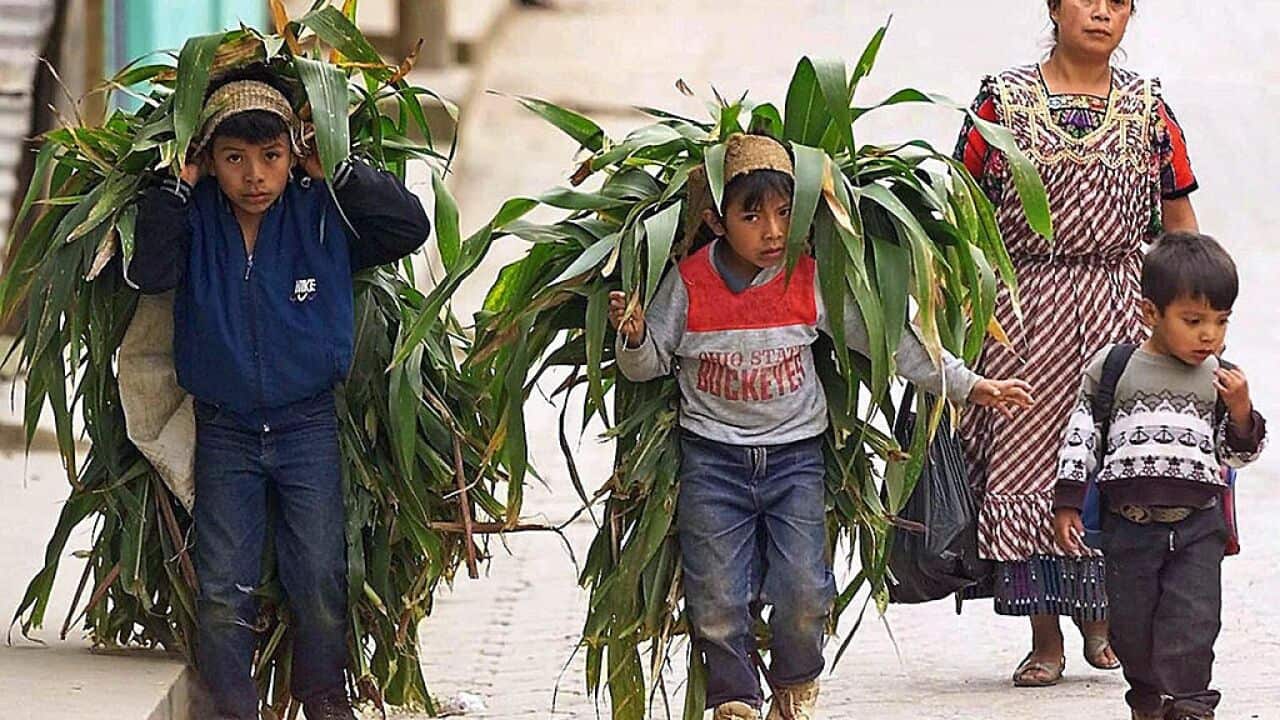
Kids can be seen cleaning windshields or juggling in clown makeup on street corners in Guatemala's cities.
But there's no fun involved: many of these children are abandoned street urchins or "rented out" by their parents to networks that exploit them - effectively slaves.
These child workers are a goldmine to the illegal groups that deploy them throughout Guatemala's capital and other urban centers.
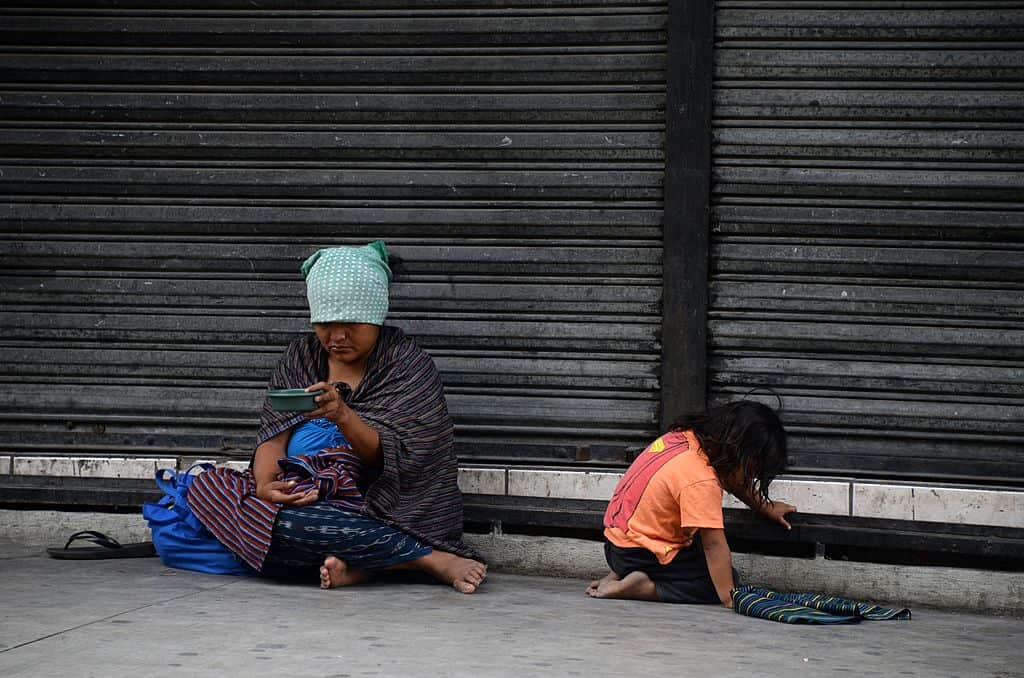
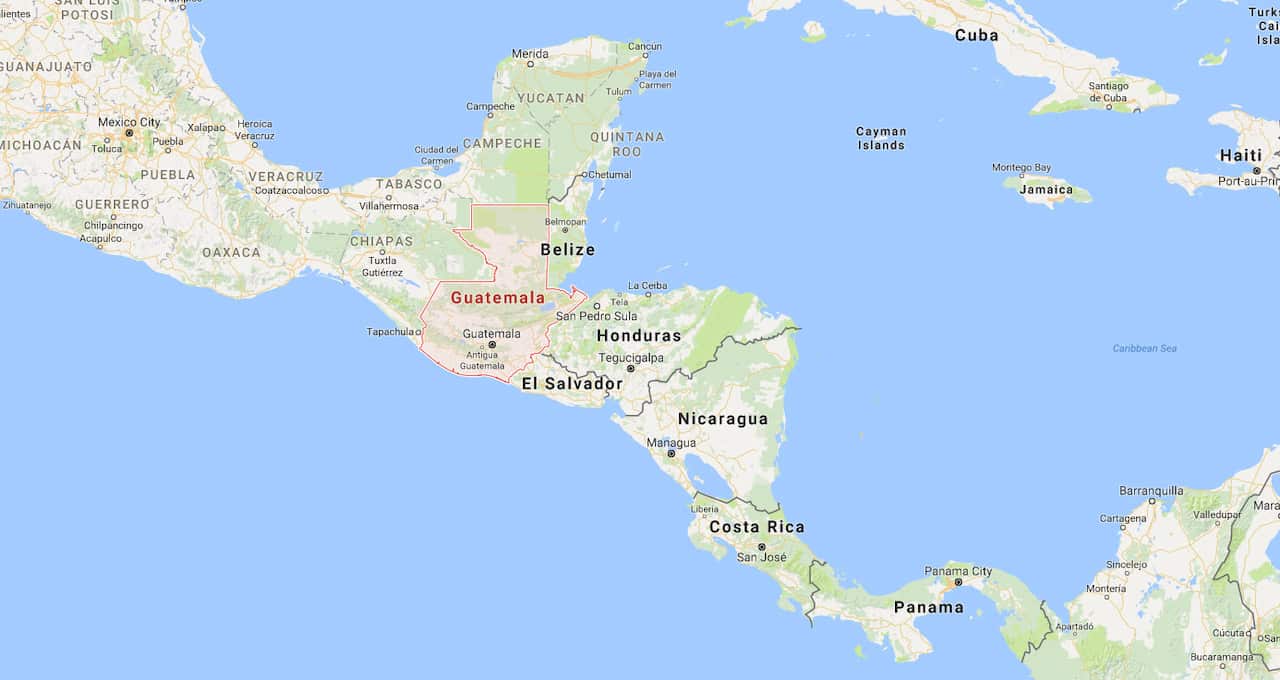
Many are indigenous, and all are from the poor 60 percent of this Central American country's population of 16 million.
News that makes sense
Your trusted source for staying up-to-date with the world around you. Get free daily news updates and analysis, straight to your inbox.
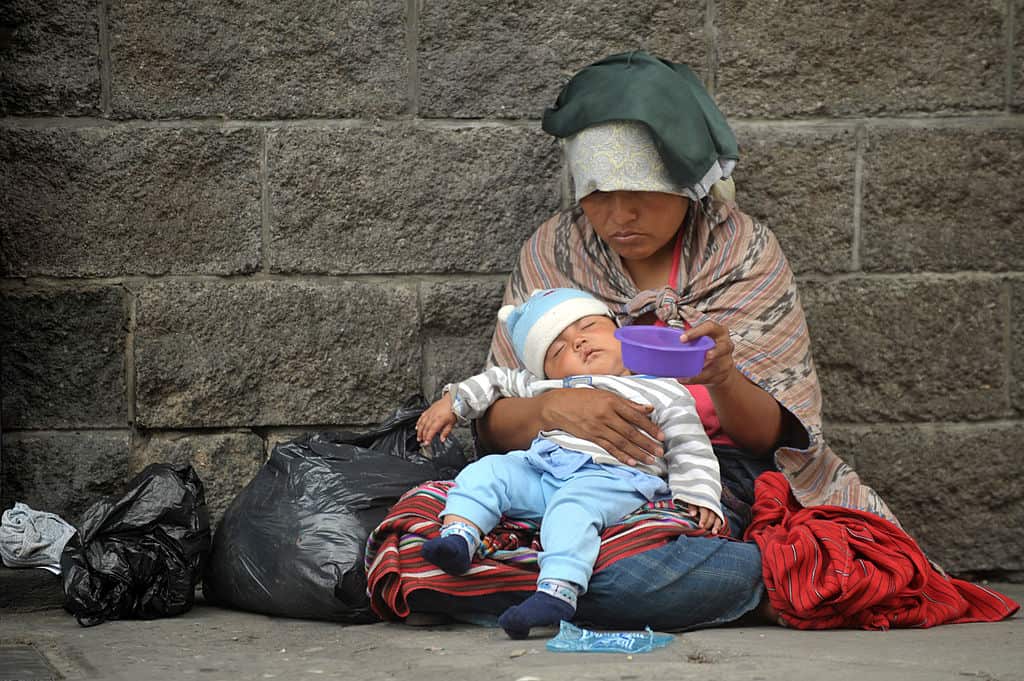
They are "recruited by groups that arrange deals with the parents, who receive a fee for renting out these kids, who come here to the capital to work or beg for money," Rosy Palma, director of the charity El Refugio de la Ninez (Childhood Refuge), told AFP.
Her group helps state institutions carry out operations to rescue exploited minors, many of whom come from predominantly indigenous provinces in the mountainous west of Guatemala.
Authorities estimate around one million children work in the country. But there are no known official statistics on how many of them work the streets or beg.
16-hour days
"Because of this population's economic situation, many organized criminal groups have managed to get hold of them," said Harold Flores, who works as a child protection official within the state prosecutor's office.
He explained that the children are often forced to work 16-hour days, during which they are told to bring back at least $13 or face punishment.
"In some cases, they are told that they are coming to study, or coming to learn a trade, or that they will have a better life than where they are coming from."
Usually, though, they are put up in dingy hotels and receive nothing more than bread and water, Flores said.
Palma from Refugio de la Ninez said the phenomenon is lucrative for the gangs running them, and that there is a regular increase in the number of boys, girls and teens being used this way.
The parents who loan them out receive around $25 a week - a significant sum for families barely eking out a living, she said.
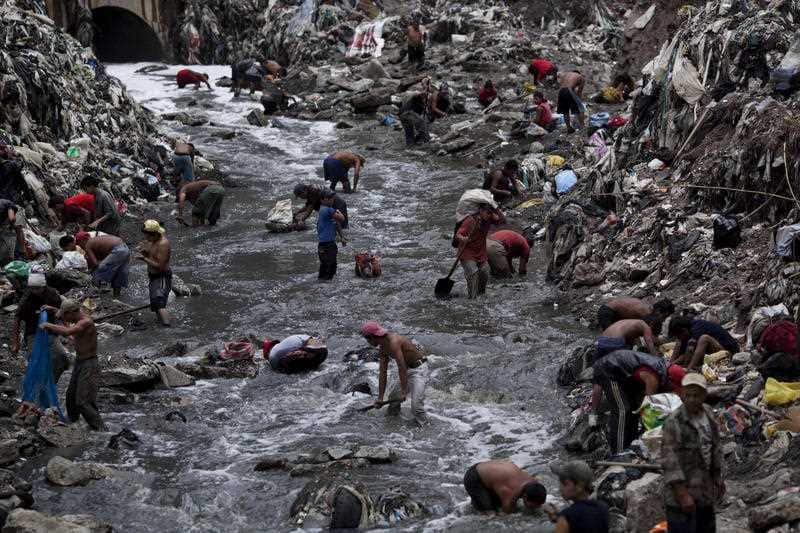
An official survey published in late 2015 found that poverty in Guatemala's indigenous western highlands reached 79 percent.
Official figures show indigenous Guatemalans making up 40 percent of the population. But native leaders give a far higher proportion, of 60 percent.
Child exploitation is concentrated in Guatemala's central province, where the capital is located, and in the west and in towns along the Mexican border in the southwest, according to Refugio de la Ninez.
Not nearly enough done
The prosecutor's office said that, nationally, 68 children were rescued from these labor gangs in the first half of this year - a modest figure given the official estimate of the scale of the problem.
Gloria Castro, a child and adolescent defender in the Ombudsman's office for human rights, noted that the operations were insufficient.
"Unfortunately, the state, through its institutions, has not done nearly enough on this issue," she said, urging prosecutors to step up probes into human trafficking rings and the government to focus on families battling poverty.
Her office also sees the exploitation of children as one of the motivators for the big migration flow from Central America to the United States.
It has found several of the children made to work in Guatemala's streets ended up moving to Mexico or the United States to escape their slavery.







