While much has been said about Australia's two-speed economy, a new analysis of the states and territories suggests there are actually three.
Commonwealth Securities' quarterly State of the States report believes the nation's eight jurisdictions have effectively divided into three groups.
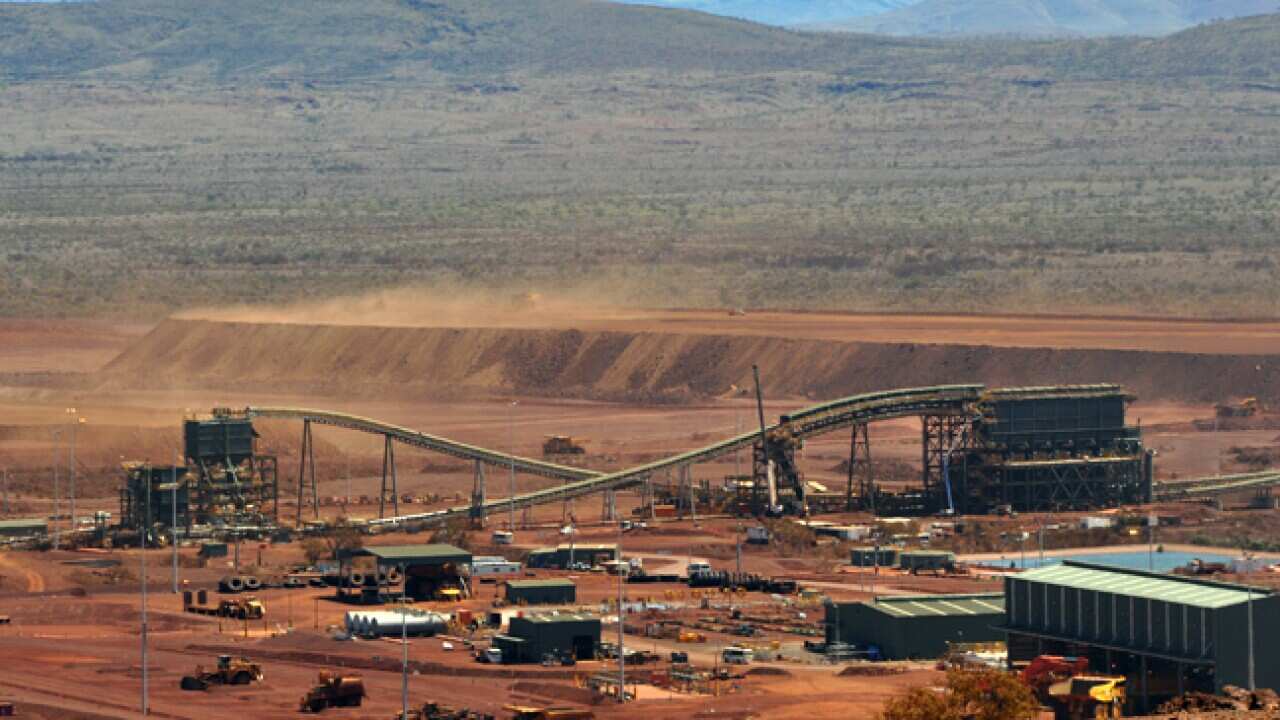
CommSec's chief economist, Craig James, says Western Australia is clearly the nation's strongest economy and sits in a group by itself.
"The next level comprises the ACT, Victoria and South Australia," he said, releasing the report on Monday.
"And then there is another gap to the next four states and territories - Tasmania, NSW, Northern Territory and Queensland."
News that makes sense
Your trusted source for staying up-to-date with the world around you. Get free daily news updates and analysis, straight to your inbox.
Each quarter CommSec analyses the states through eight key indicators - economic growth, retail spending, equipment investment, unemployment, construction work done, population growth, housing finance and dwelling commencements.
"The main change in the state rankings over the past three months has been the significant outperformance of the WA economy," Mr James said.
Still, WA's main weakness is its residential sector, with below-average dwelling starts and falling home prices.
Looking ahead, Mr James expects Queensland should continue to benefit from building activity after the floods and cyclone early this year, and has posted strong results in retail spending, construction and equipment investment over the past quarter.
In the October review, the ACT continued to lead the way on four of the eight indicators, and is clearly the second-strongest economy, but Victoria and South Australia aren't far away.
The ACT scores well on population growth, commercial and engineering construction, housing finance and dwelling starts, but underperforms on retail spending while having the weakest unemployment and equipment investment performance.
Victoria is strongest in the housing sector, while the South Australian economy performs solidly on overall economic growth and on building and construction work.
There is little to separate the four in the third group, Mr James said.
Tasmania outperforms with a relatively low unemployment reading, but somewhat surprisingly underperforms on retail spending.
NSW benefits from above-average population growth, firmer growth in housing finance and above-normal equipment investment, but dwelling starts are both below normal and below year-ago levels.
The Northern Territory continues to outperform with low unemployment and solid growth of retail spending, but population growth, construction work and housing finance are below long-term averages and underperforming other states and territories.
While the Queensland economy should continue to lift over the coming year, it is dragged down by a housing sector that is not helped by weakness in population growth and unemployment.







