
From a small radio studio in Sydney’s western suburbs, Inoke Fotu Hu'akau is spending his morning catching up on the latest news out of Tonga.
He might’ve lived the past 25 years of his life in Australia thousands of kilometres away from his homeland, but his passion for Tongan politics has never faded.
The radio broadcaster, and director of multicultural station Radio 2000 FM in Sydney, will be watching closely as Tonga heads to the polls on Thursday for its general election.
“I am very optimistic for the election,” Mr Hu'akau said.
“Everybody is interested, we talk about it on the radio.”
News that makes sense
Your trusted source for staying up-to-date with the world around you. Get free daily news updates and analysis, straight to your inbox.
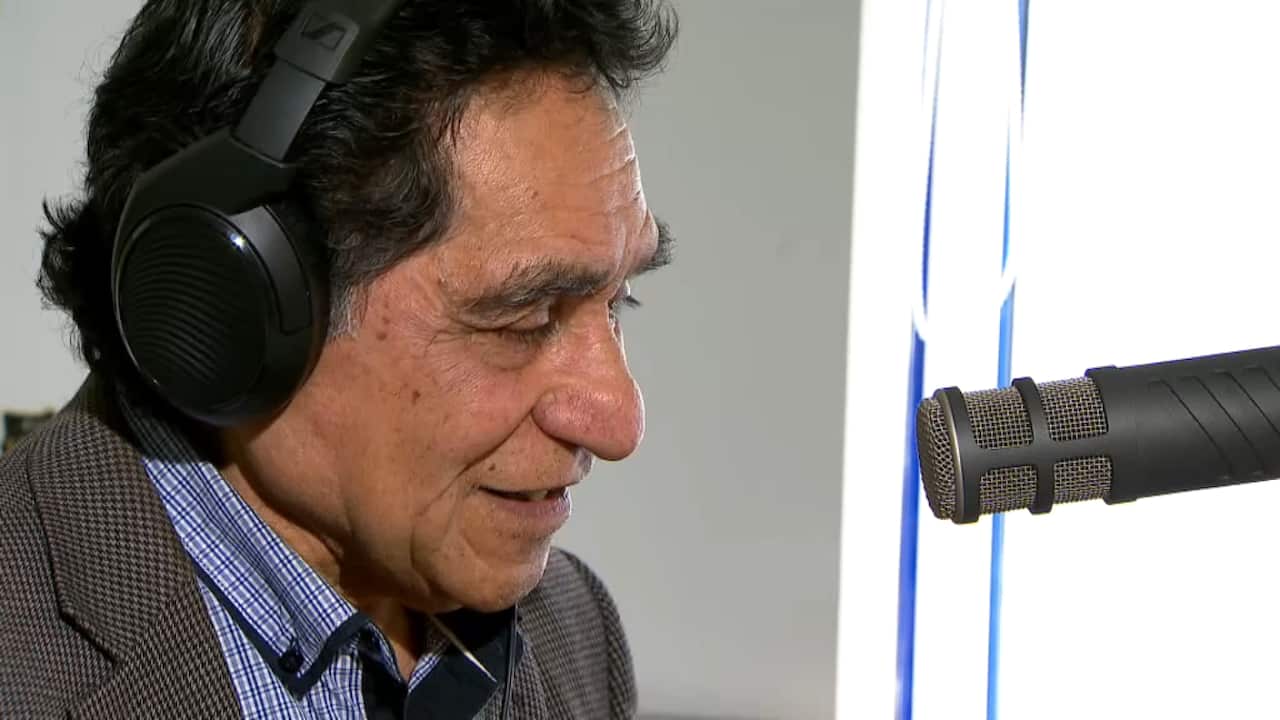
But despite keen interest, Mr Hu’akau - a dual citizen and who once ran for parliament himself - won’t be able to cast his vote as Tongan law stipulates voters must be in the country to cast their ballot.
Mr Hu’akau said given the large Tongan diaspora, estimated to be about 120,000 people, and for the thousands more stuck abroad because of border closures, he would like to see the law changed.
“It should be allowed, I see no difficulty in that,” Mr Hu’akau said.
“Postal votes could be used here, New Zealand and America, but they just don't want that kind of interference.”
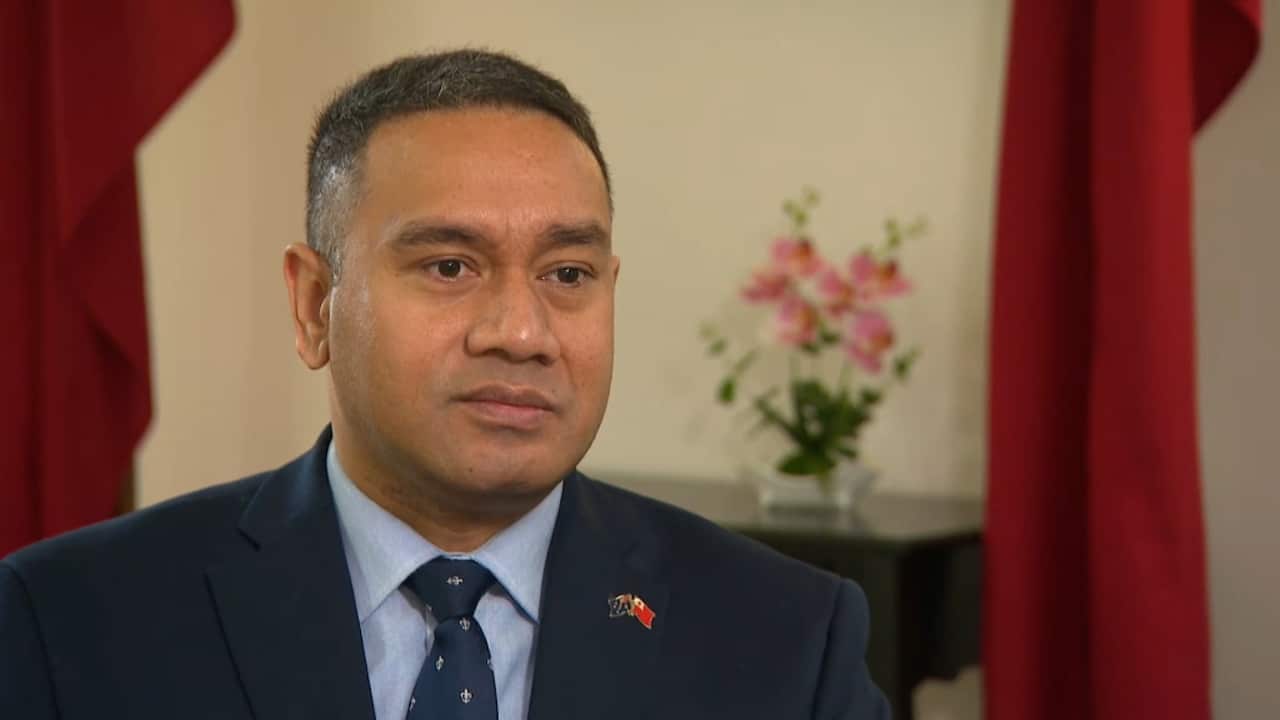
Curtis Tu'ihalangingie, deputy head of mission at the Tongan High Commission in Canberra, said the country's constitution and electotal policies do not permit Tongans to vote from abroad.
He also acknowledged democratic elections are still relatively new in Tonga. A dramatic reform that removed most of the monarch’s executive powers came in 2010, so the government is still working on the voting system, he said.
“This election is a very young policy for us in Tonga, so we want to make sure our democratic system is mature enough before we can move outside of Tonga,” he said.
Mr Tu'ihalangingie said the Tongan government just doesn't have the resources or diplomatic reach to organise voting in Australia, let alone the rest of the world.
“We have to be considerate that we don't have a High Commission in Fiji, or Papua New Guinea and many other countries throughout the Pacific, and the world,” he said.
Tonga has so far fully vaccinated 50 per cent of its eligible population against COVID-19, and the government is aiming to reach 70 per cent by the end of the year.
Acknowledging the more than 2,000 Tongans stranded in Australia due to border closures, Mr Tu'ihalangingie said he is hopeful they could be allowed back early next year.
"Tonga will keep its border closed until March 2022," he said. "But hopefully with high vaccinations rates, we will soon be welcoming people back into Tonga, including tourists from Australia."
What's changed since the last election?
About 64,000 Tongans who are in the country from the overall population of around 106,000 are expected to vote on Thursday in the first general election since 2017.
There are 73 candidates in the running for the 17 democratically elected seats this year, a number that is down from recent years.
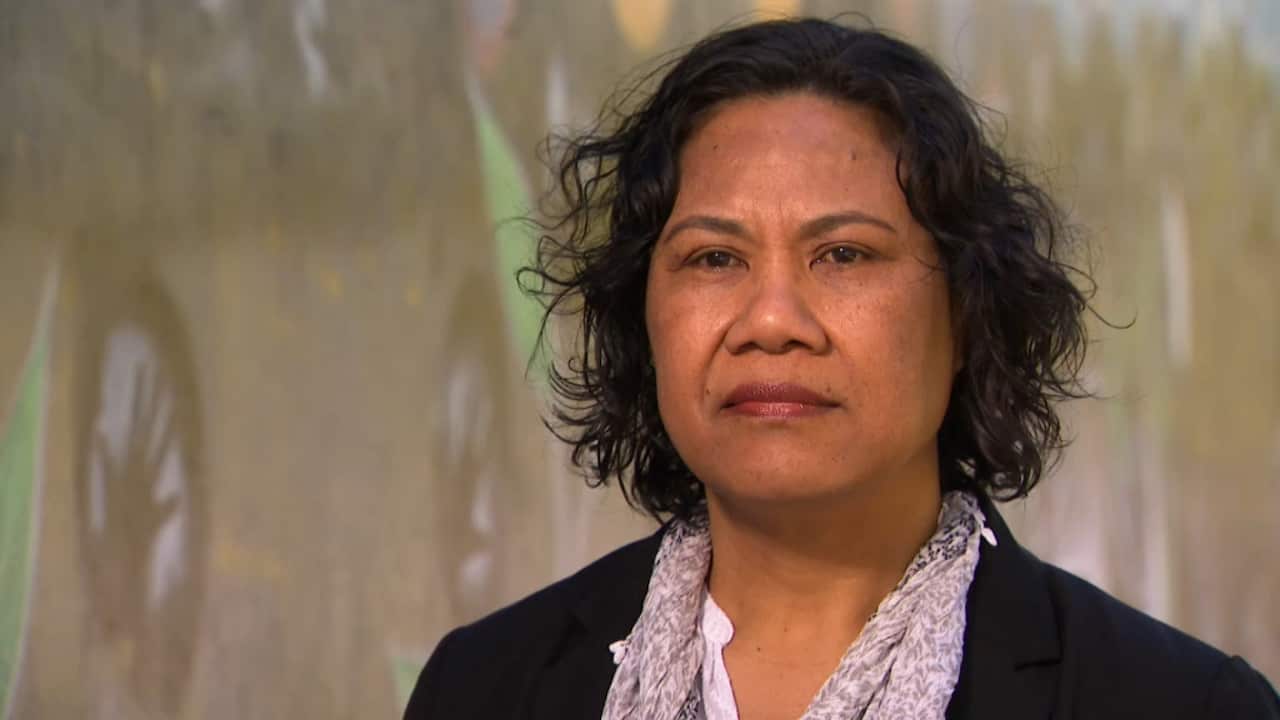
Ema Finau Ivarature, a researcher based in Canberra, said that’s probably due to border closures as well.
“Usually in the past elections, some candidates would have come from overseas and stood but the electoral laws in Tonga require you to be resident in Tonga three months before an election,” she said. “So some of those candidates that probably would have come from overseas to stand for elections are not able to.”
This is also the first general election since the death of former prime minister 'Akilisi Pohiva in 2019.
Since then, the government has been caught up in a lot of political infighting, as well as accusations of conflicts of interest, nepotism, and financial misappropriation.
Incumbent Prime Minister Pōhiva Tuʻiʻonetoa has survived a no confidence vote, and one of his closest cabinet ministers has been jailed for corruption - all in the space of a year.
“This year was the jailing of the minister as well as some allegations of the government having their priorities wrong,” Ms Ivarature said.
“Some people accused the government of not prioritising money for COVID-19 and other health issues, and instead going for other election-targeted issues like infrastructure.”
Drug crisis 'a major conversation'
Another big issue is the growing illicit drugs crisis in the kingdom.
Tonga has witnessed a huge spike in drug use throughout the country, including methamphetamine and cocaine.
Director of the Tongan Women and Children Crisis Centre, Ofa Guttenbeil-Likiliki, said her organisation is now constantly working with cases directly linked to the use of drugs, which was barely a problem even five years ago.
“The impact of drugs when there's addiction involved, particularly in our small population - we don't have a large number of people - the impacts of it can be seen quite vividly,” she said.
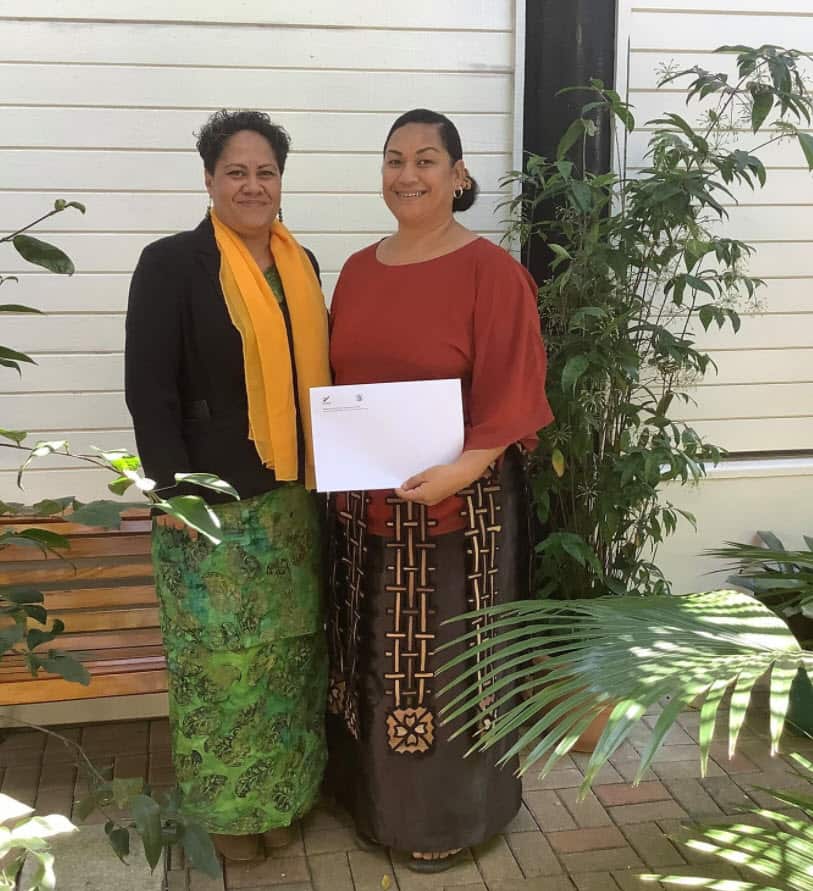
Ms Guttenbeil-Likiliki said Tonga is no longer just a transit point for traffickers taking their products from South America to Australia or New Zealand, but has become its own smaller market.
She said while she welcomes the sudden widespread attention on the issue by politicians, she is still waiting to see whether it’ll translate into real reform once the election is over.
“The drug issue has been a major conversation throughout this year,” she said.
“So there's a real urgency for whoever the new government is to take some concrete measures and ensure that we really address this issue.”
How many women are likely to be elected?
Ms Guttenbeil-Likiliki said female representation in politics is lacking in Tonga and the odds were stacked against female candidates on Thursday.
“There’s just 12 female candidates out of 73 this election,” she said.
“I'll be in for a nice surprise if we do get more than two [elected]. The prediction right now is at least one, pushing it if we do get two in.”
Ms Guttenbeil-Likiliki said the system needs to change, and parliamentarians need to be willing to use some “special measures” to help increase the numbers of women in politics.
“My hope, and my anticipation, is that after the results come out that we're actually able to sit down and have some robust discussion around special measures, like affirmative action quotas, to accelerate the number of women getting into parliament, because if we don't do that, we're going to continue seeing this trend.”







