In brief
- The US has launched a fresh wave of strikes on Iran after saying that the Iranians were delaying making a deal.
- Iran has vowed to retaliate, accusing the US of "war crimes" as they claim civilian infrastructure has been impacted.
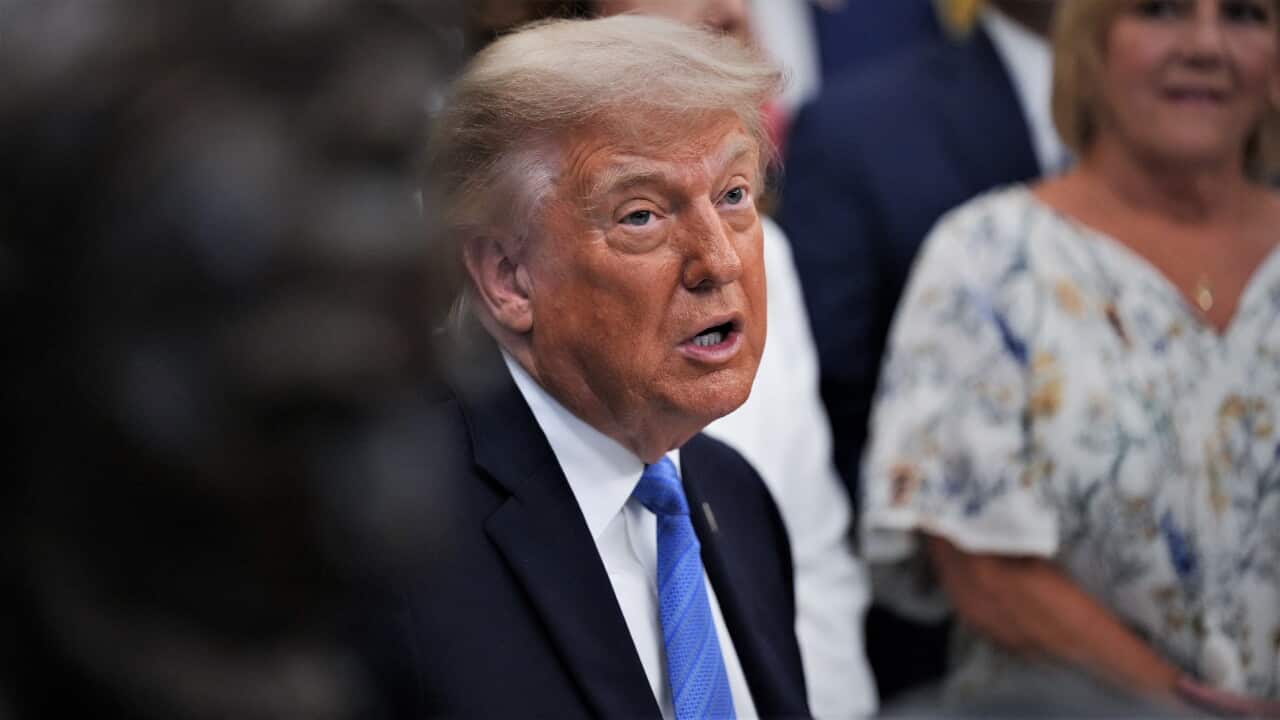
The United States has launched a wave of new strikes against multiple targets in Iran as US President Donald Trump vowed even more attacks if no peace deal is secured.
The military's Central Command announced the strikes were complete about four hours after they began, shortly after midnight in Tehran on Thursday, saying in a post on X that the targets included "military surveillance capabilities, communication systems, and air defence sites across Iran".
"The strikes are in response to Iran's unwarranted and continued aggression," Central Command said.
The attacks were the latest development in an escalating exchange of strikes that threatens to reignite a full-scale war, which was paused in early April when the two sides agreed to a fragile ceasefire.
Iran's Islamic Revolutionary Guard Corps said early on Thursday they had launched counter-attacks on 18 US military targets at airbases in Kuwait and Bahrain, and Bahrain's interior ministry said sirens were sounded.
News that makes sense
Your trusted source for staying up-to-date with the world around you. Get free daily news updates and analysis, straight to your inbox.
Iran's top joint military command also warned it would fire on any vessel attempting to pass through the Strait of Hormuz, which has been largely closed for months. Iranian media reported that two ships were fired upon.
US Central Command denied that the strait was closed, saying commercial ships were still transiting the strait despite Iran's threats. Trump said earlier in the day that vessels have been crossing the strait without Iran's permission as part of a clandestine military mission.
Trump told Fox News reporter Trey Yingst on Thursday that the strikes would stop shortly but that he would "bomb the s--- out of" Iran if its leaders did not sign an agreement with the US immediately, Yingst wrote on X.
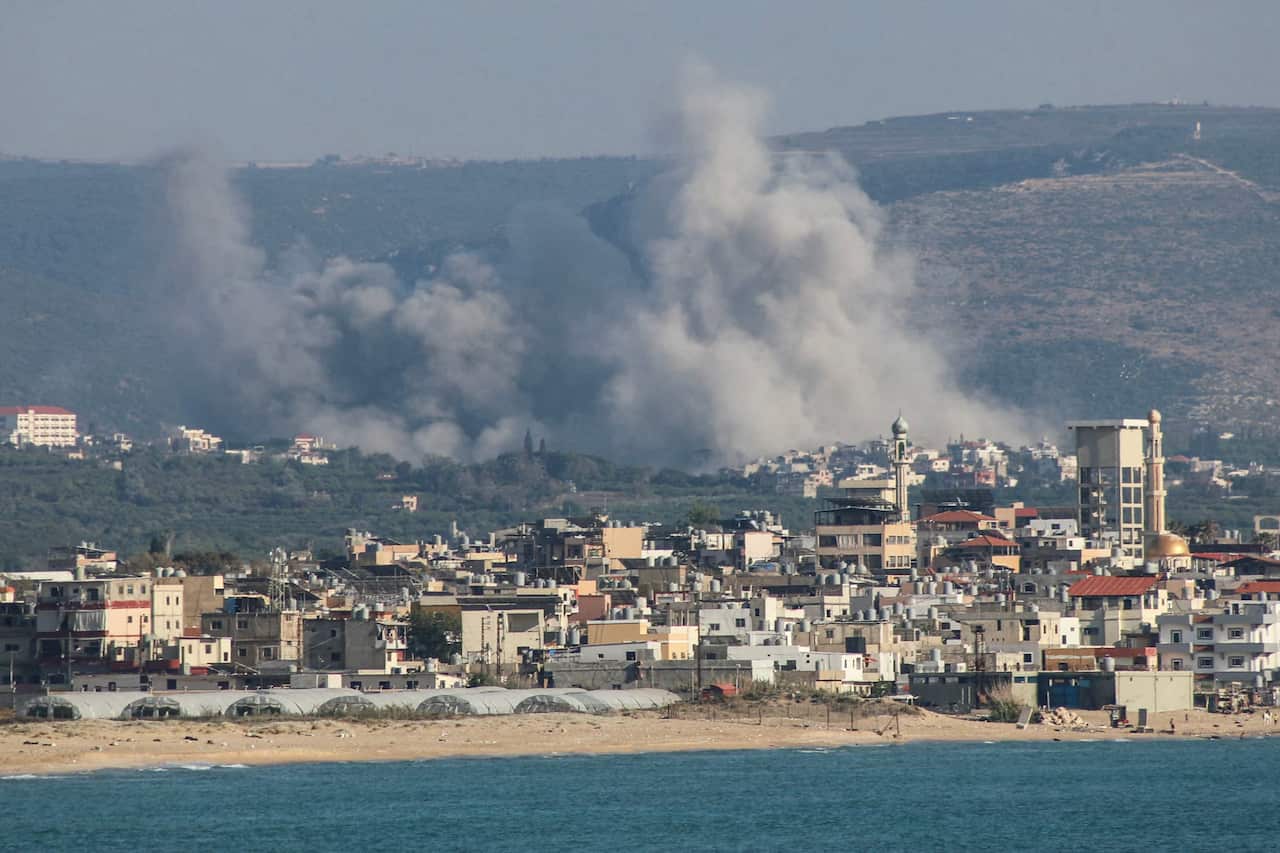
Iranian news agencies reported explosions in several cities, including Sirik, Kargan, Bandar Abbas, Minab, Varamin and Karaj.
US Defence Secretary Pete Hegseth presented the move as an effort to force Iran into a deal to end the conflict, telling reporters during a visit to Central Command in Florida that the strikes would "advance our military interests and also enhance our diplomatic position".
The violence sparked calls for de-escalation from Iranian allies Russia and China.
A Chinese foreign ministry spokesman called on both sides to "stop intensifying the conflict and escalating the situation".
Trump 'loves' inflation as oil fears mount
The conflict has sent energy prices skyrocketing after Tehran retaliated by virtually closing the vital Strait of Hormuz, through which roughly a fifth of global oil normally passes.
Inflation has risen sharply in the US and across the world, driven largely by a spike in oil prices.
On Thursday, Trump appeared to embrace the latest data showing US consumer inflation had climbed above 4 per cent in May, its fastest pace in three years, while insisting prices would ease once the war ended.
Asked whether rising inflation could hurt Republican prospects ahead of November's midterm elections, Trump told reporters: "I love the inflation."
Trump said vessels carrying 100 million barrels of oil have defied Iran to travel through the strait as part of a secret military mission. He said oil prices would be much higher without the effort.
Hegseth said ships have been transiting the strait "in the middle of the night, protected by the United States in a way that Iran can't stop, they can't see it".
Oil prices rose nearly US$3 ($4.26) following Trump's threat of escalation, to $94 ($134.34) per barrel.
Trump has previously described the war as a detour, framing it as a national security issue rather than an economic one, despite concerns the closure of the shipping route could continue to drive up the cost of fuel, fertiliser and other goods.
"When it's over, you will see oil drop to where it was before," Trump said.
"It's coming down. It's going to come down like a rock."
But analysts and industry executives warned supply disruptions could persist even if the strait reopens, with broader effects on global markets and consumer prices expected to continue into next year.
Higher energy prices could also complicate efforts by the US federal reserve to lower interest rates and reduce borrowing costs, ahead of the November midterm elections.
Fighting continues in Lebanon
Fighting in a parallel war between Israel and Iran-backed Hezbollah militants in Lebanon has continued.
Israeli airstrikes in southern Lebanon killed at least 13 people on Wednesday, Lebanese security sources said, while Hezbollah claimed fresh attacks against Israeli forces.
Iran's demands include an end to Israel's attacks in Lebanon, the lifting of sanctions on Iran, the release of billions of dollars in frozen assets, and recognition of its control of the strait.
Trump says Iran must end its restrictions on shipping through Hormuz. He also says any peace deal must ensure Iran cannot develop a nuclear weapon.
Iran denies any such ambition.
The UN nuclear watchdog's 35-nation Board of Governors passed a US-backed resolution on Wednesday telling Iran to declare its remaining enriched uranium stocks and let inspectors verify them. Iran branded the resolution as "political".
'We've packed our things'
Iran has insisted any deal to end the war must include a truce in Lebanon, which was drawn into the conflict when Iran-backed Hezbollah militants within its borders fired rockets at Israel on 2 March.
Israel responded with airstrikes and a ground invasion that have killed more than 3,600 people, while exchanges of fire with Hezbollah have continued despite a nominal truce.
On Wednesday, a medical source told the Agence France-Presse (AFP) that Israeli strikes on south Lebanon had killed 12 people.
A strike hit the centre of Sidon, with an AFP correspondent seeing a car burning and emergency personnel heading to the scene after hearing a blast.
Israeli Prime Minister Benjamin Netanyahu, meanwhile, called on the Lebanese people to join Israel's fight against Hezbollah, saying their country had been taken "hostage" by the group.
On Tuesday, the Israeli military had told the entire southern city of Tyre to evacuate.
"We've packed our things, and we're leaving," Tyre resident Elias Barbour told AFP.
"What have we done wrong? What are we supposed to do?"
For the latest from SBS News, download our app and subscribe to our newsletter.







