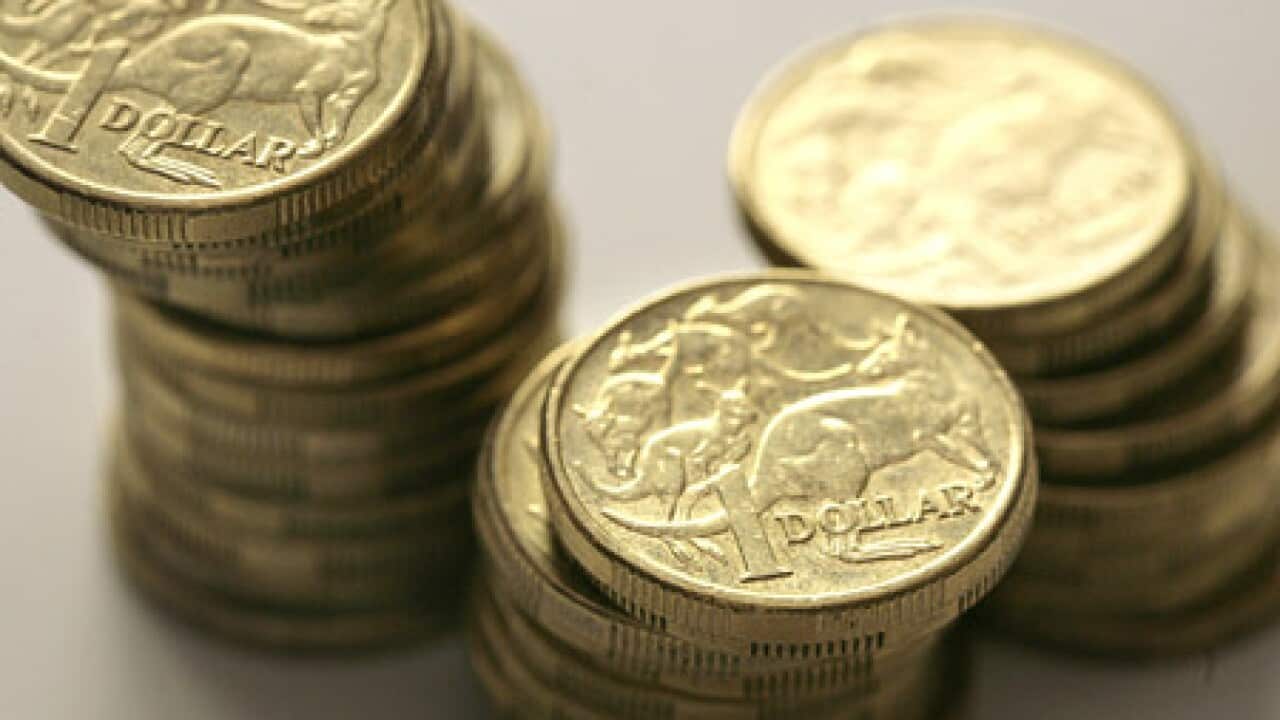
At 0700 AEST on Wednesday, the local unit was trading at 93.96 US cents, up from Tuesday's close of 93.28 cents.
It reached 94.57 US cents overnight, the highest since August 1, 2008.
News that makes sense
Your trusted source for staying up-to-date with the world around you. Get free daily news updates and analysis, straight to your inbox.
Since 0700 AEST, the local currency traded between 93.14 cents and 94.57 cents.
Bank of New Zealand currency strategist Mike Jones said the local unit pushed above a key barrier of 94 US cents during the offshore session.
"We saw the Aussie rocket to 25-month highs overnight," Mr Jones said from Wellington.
"The gain in the Aussie mostly came about through a sharply weaker US dollar and dragging the US dollar lower, we had a plunge in bond yields and a fresh 15-month low in (US) dollar/yen.
"Yen buying continued following Japanese Prime Minister Naoto Kan's defeat of his challenger."
The US dollar hit a one-month low against the euro on Tuesday and dropping to a new 15-year low versus the yen after a key election made Japanese intervention to weaken its currency less
likely.
The American dollar also fell below one Swiss franc, which investors are using as a safe-haven currency.
Mr Jones said the developments brought about talk on markets about the prospect of a restart in the US Federal Reserve's quantitative easing policy.
"That really saw sentiment towards the US dollar and US bond yields deteriorate sharply late in the session, propelling most of the major currencies higher, the Aussie included."
Mr Jones said Tuesday's NAB business confidence survey had also assisted the currency.
He predicted further strength in the Australian dollar in the short term.
"I wouldn't rule out a retest of last night's highs," he said."
He said the Westpac Consumer sentiment survey for September and local Australian Bureau of Statistics (ABS) dwelling starts data to be released on Wednesday morning would provide direction for the
Australian dollar.







