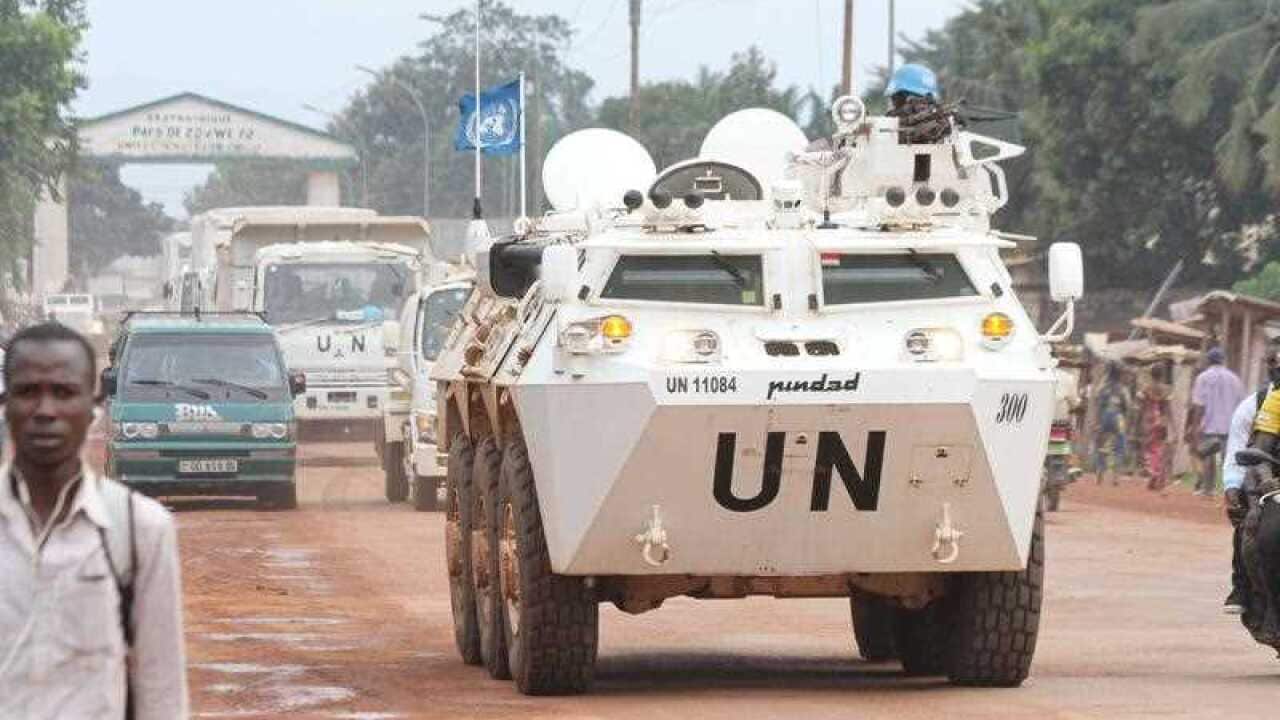
There were 99 new allegations of sexual exploitation or sexual abuse against United Nations staff members across the U.N. system last year, a sharp increase from the 80 allegations in 2014, according to a new U.N. report.
The majority of those allegations - 69 in all - involved personnel in 10 peacekeeping missions, the report said. The military and police personnel accused of sexual crimes while serving for the United Nations involved some 21 countries, most of them African.
The report by U.N. Secretary-General Ban Ki-moon does not identify the nationalities of the 30 U.N. staff members accused of sexual abuse or exploitation who were not working for peacekeeping missions.
The report, an advance copy of which was obtained by Reuters, came in response to a new U.N. "name and shame" policy for U.N. peacekeepers implemented after a series of allegations of rape and sexual abuse by international troops in Central African Republic (CAR).
Most of the allegations involved peacekeepers from the Democratic Republic of the Congo, seven in all, serving in CAR. There were also allegations against several European countries and Canada.
News that makes sense
Your trusted source for staying up-to-date with the world around you. Get free daily news updates and analysis, straight to your inbox.
There were allegations against troops and police from Burundi, Germany, Ghana, Senegal, Madagascar, Rwanda, Congo Republic, Burkina Faso, Cameroon, Tanzania, Slovakia, Niger, Moldova, Togo, South Africa, Morocco, Benin, Nigeria and Gabon.
In addition to CAR, the allegations involved peacekeeping missions in places like Haiti, Mali, Democratic Republic of the Congo and Ivory Coast.
The report includes recommendations for member states to make it easier to identify suspected perpetrators and prosecute them.
It calls for the U.N. General Assembly and troop contributing countries to allow prosecutions inside the countries where the alleged crimes took place and creation of a DNA registry of all peacekeepers.
One of the problems, human rights groups say, is that it is currently up to U.N. troop-contributing countries to prosecute their soldiers accused of abuse. When such prosecutions happen, the groups say, they often take place quietly and it is difficult to follow up on the results and punishments, if any.
In December an independent review panel accused the United Nations and its agencies of grossly mishandling numerous allegations of child sexual abuse by foreign troops in CAR in 2013 and 2014.
The idea of prosecutions in theater would likely be unpopular among U.N. troop-contributing countries, U.N.diplomats and officials say, though they suggest it is an idea worth pursuing as a deterrent.







