In brief
- Trump's Iran threat joins a long list of dramatic moments at the UN General Assembly.
- They include walkouts, shoes banging on desks and threats to other countries.
United Nations General Assembly (UNGA) speeches tend to follow a familiar script: warnings about global conflict, calls for international cooperation, and appeals for peace and human rights.
But the world's premier diplomatic forum in New York City has also produced its share of remarkable moments.
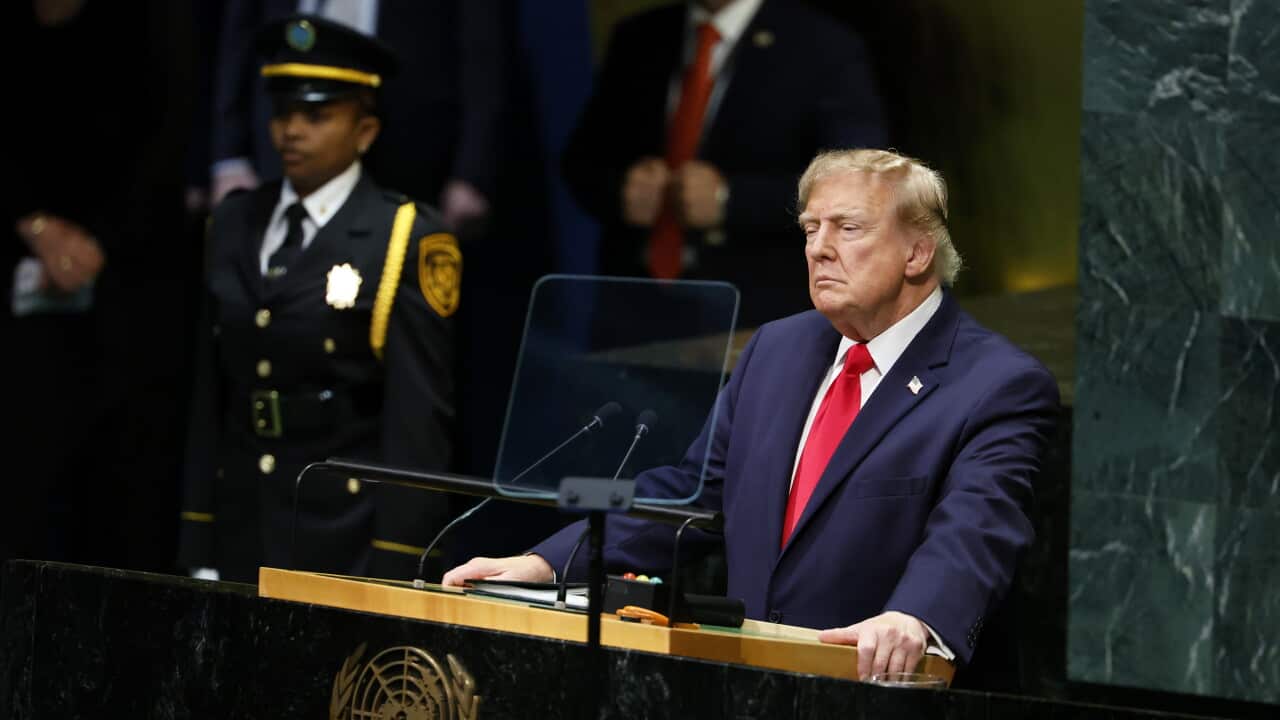
United States President Donald Trump added to that history on Tuesday, using his General Assembly address to muse about whether he should "annihilate" Iran, a fellow UN member.
His comments were extraordinary, but they were hardly unprecedented.
Over the UN's 80-year history, the General Assembly hall has seen a Soviet leader allegedly bang his shoe on a lectern, a prime minister brandish a cartoon bomb, and heads of state threaten their rivals — alongside displays of global unity.
News that makes sense
Your trusted source for staying up-to-date with the world around you. Get free daily news updates and analysis, straight to your inbox.
Gaddafi tearing up the UN charter
No stranger to theatrics, former Libyan leader Muammar Gaddafi tore up a copy of the UN Charter during a scathing speech in 2009.
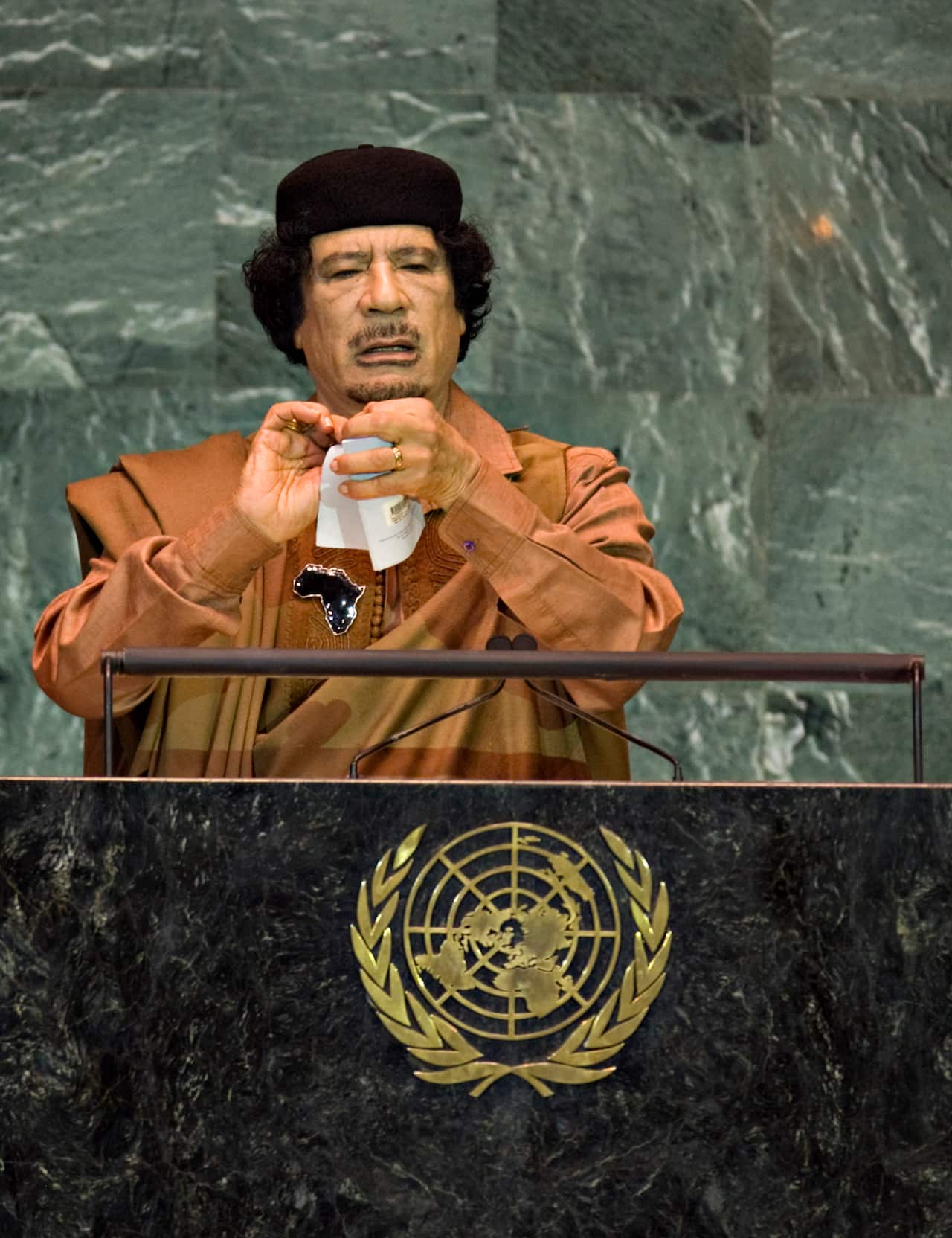
Speaking for almost 100 minutes, far longer than the 15 minutes allocated, Gaddafi described the UN Security Council as a "terrorist body", demanded trillions of dollars in reparations for colonialism in Africa and questioned who assassinated former US president John F Kennedy.
A few weeks earlier, Gaddafi had submitted a UN proposal calling for the carving up of Switzerland between Germany, France and Italy after his son was arrested in Geneva over allegations he assaulted a servant.
Khrushchev's alleged shoe-banging incident
There is still dispute over whether one of the General Assembly's most legendary incidents even happened.
In 1960, Soviet leader Nikita Khrushchev allegedly became furious during a speech by Philippine delegate Lorenzo Sumulong, who accused the Soviet Union of double standards by denouncing Western colonialism, while simultaneously depriving human rights in Eastern Europe.
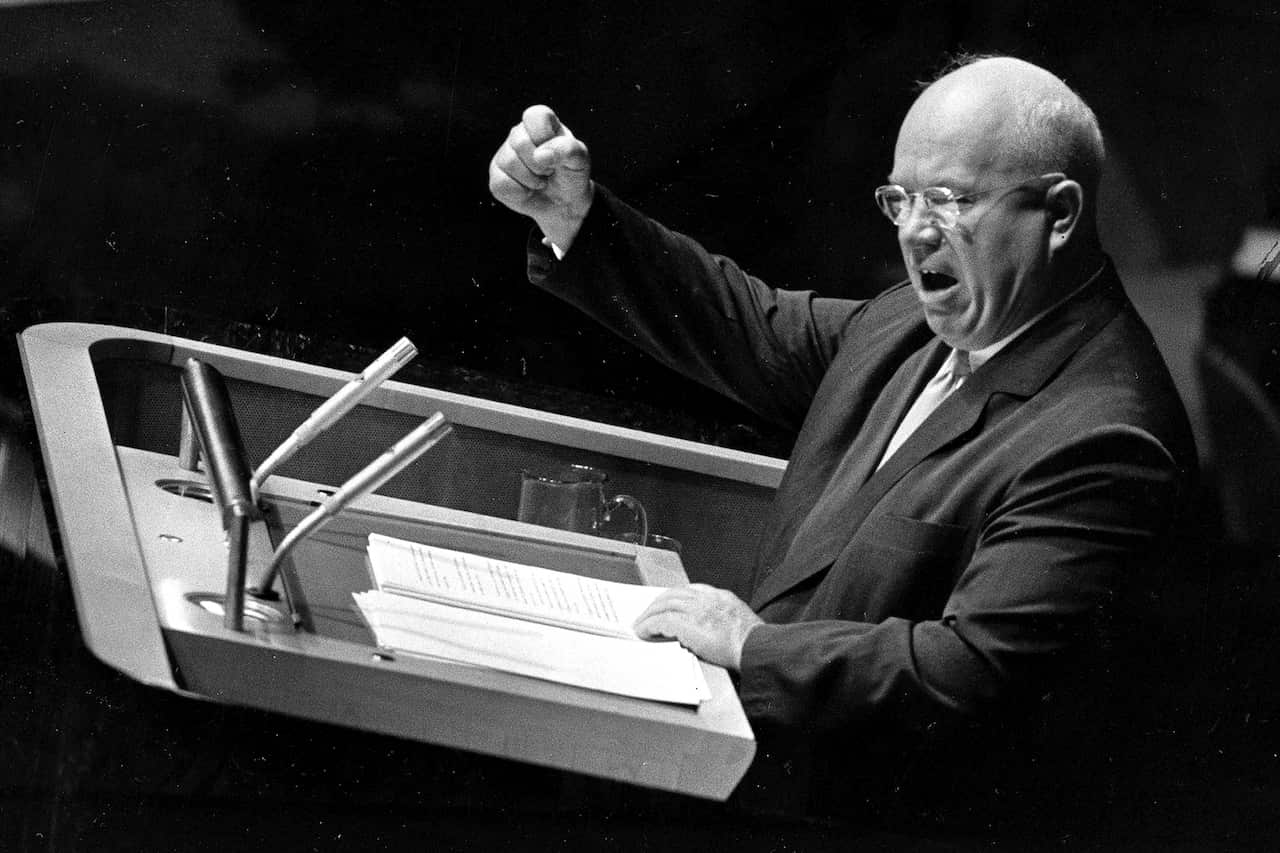
Khrushchev supposedly took off his right shoe, stood up, and banged it furiously on his desk. His impassioned speech led to general uproar in the chamber and UNGA president Frederick Boland accidentally broke his gavel trying to restore order.
No video or photographs exist of Khrushchev actually hitting the desk, and a famous photo later turned out to be doctored.
Contradictory claims persist to this day about what actually happened, including that the shoe was simply taken off and placed on the desk because it was too tight.
Arafat's gun-and-olive-branch speech
Yasser Arafat, then leader of the Palestine Liberation Organisation, delivered his historic gun and olive branch speech at the General Assembly in 1974.
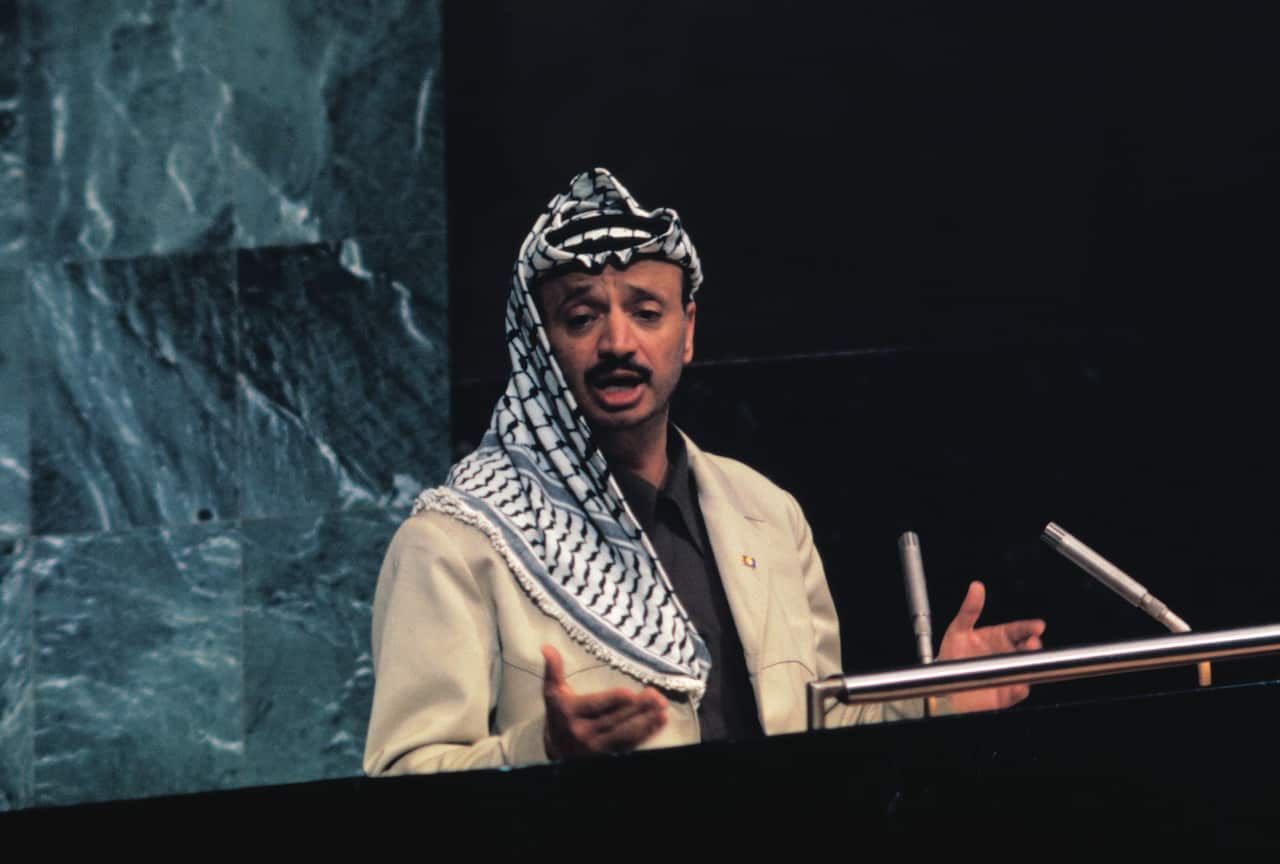
Wearing a signature keffiyeh, a traditional square woven headdress, and an empty pistol holder, Arafat spoke about the right of the Palestinian people to self-determination and his vision for a single, democratic state where Jews and Muslims would live together in equality.
"Today I have come bearing an olive branch and a freedom-fighter's gun. Do not let the olive branch fall from my hand," he famously declared.
Mandela's historic appearance
In 1994, anti-apartheid leader Nelson Mandela addressed the General Assembly as South Africa's first democratically elected president, celebrating the emergence of a democratic and non-racial nation.
Mandela helped end apartheid, an official system of institutionalised racial segregation and white supremacy enforced in South Africa from 1948 to 1994, through decades of activism. He served as a symbol of resistance during his 27-year imprisonment.
In his address, he thanked the international community for pressuring South Africa to end apartheid through diplomatic isolation and sanctions.
"The millions across our globe who stand expectant at the gates of hope look to this organisation to bring them peace, to bring them life, to bring them a life worth living," he said.
"We pray that the new South Africa which you helped to bring into being and which you have so warmly welcomed among the community of nations will, in its own and in the wider interest, make its own contribution, however small, to the realisation of those hopes."
Trump's North Korea threat
Trump has had plenty of viral moments at the UNGA, from insulting other countries to questioning the UN's purpose.
During his first address in 2017, Trump warned the US would "totally destroy" North Korea if it threatened the US and called Kim Jong-un "rocket man".
In 2018, there was laughter when he claimed his government had accomplished "more than almost any administration in the history of our country".
"Didn't expect that reaction but that's okay," he quipped.
Other notable comments include telling European countries they were "going to hell", that climate change was a "con job" and questioning the purpose of the UN.
"These are the two things I got from the United Nations — a bad escalator and a bad teleprompter," he said last year.
Ardern's baby at the UN
In 2018, then New Zealand Prime Minister Jacinda Ardern made history by bringing her three-month-old daughter Neve into the UNGA hall.
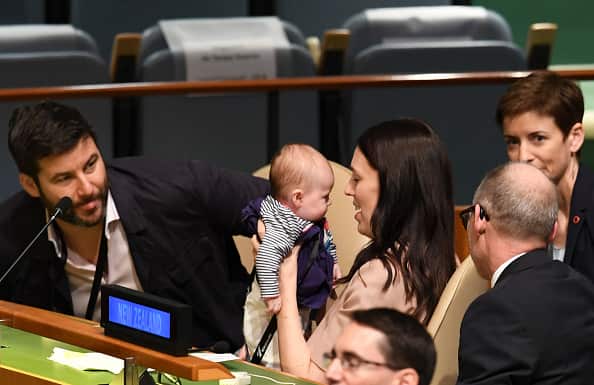
Ardern was photographed bouncing Neve in the main assembly hall next to partner Clarke Gayford, at a plenary meeting known as the Nelson Mandela Peace Summit, which she also addressed.
The UN even issued a mock diplomatic ID and security pass for Neve, officially listing her designation as the "New Zealand first baby".
Netanyahu's cartoon bomb
In 2012, Israeli Prime Minister Benjamin Netanyahu used a cartoon image of a bomb to underline the threat posed by Iran's nuclear program.
He drew a red line near the top of the bomb to illustrate that Iran was close to developing a nuclear weapon, as he called for the international community to establish a "red line" that Iran could not cross before action was taken.
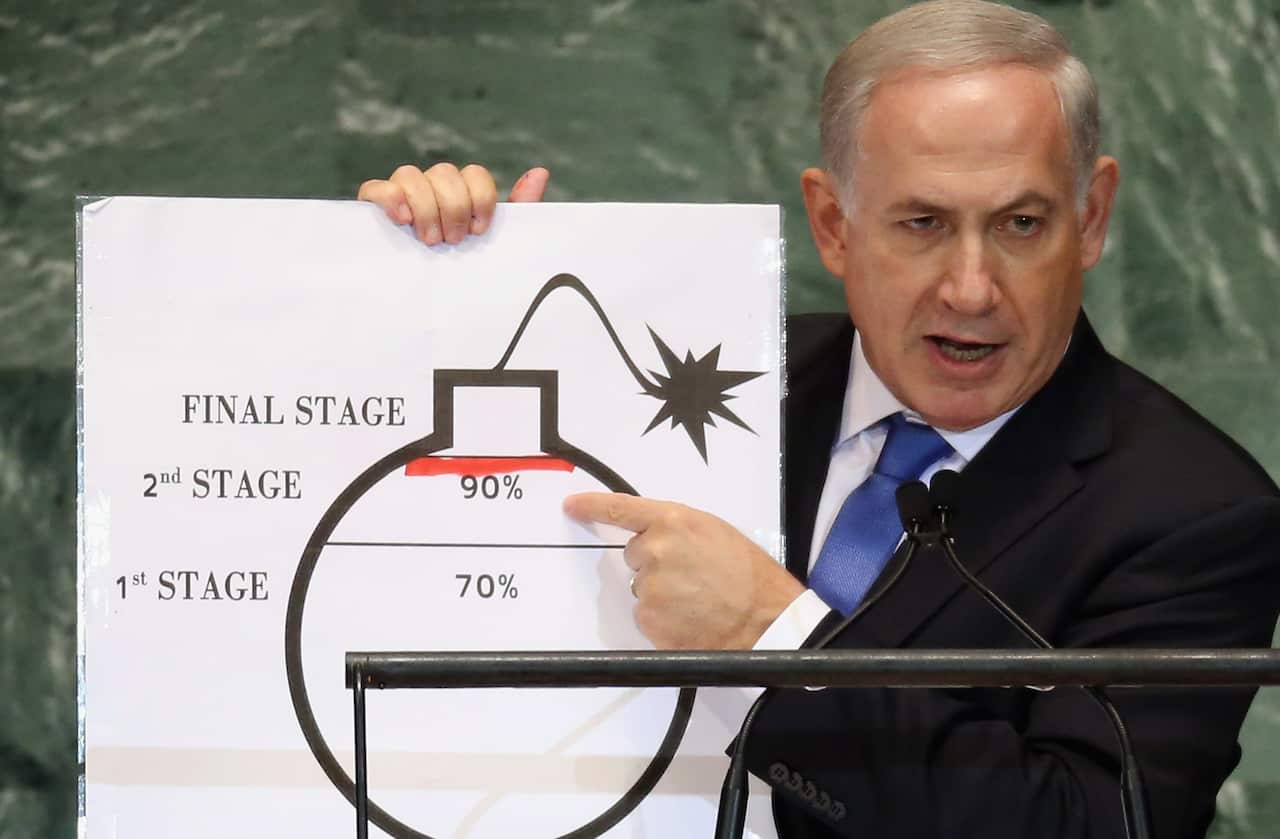
In his 2024 address, Netanyahu held up two signs showing "the blessing" and "the curse", envisioning differing future scenarios: Middle Eastern peace and an Iranian-led conflict.
In 2025, Israel and the US carried out joint strikes on Iranian nuclear sites, before launching a wider war in February this year.
Dozens of UN delegates staged a walkout of Netanyahu's speech last year in protest against Israel's conduct during the war in Gaza.
Chávez calling Bush 'the devil'
Former Venezuelan leader Hugo Chávez famously referred to then US President George W Bush as "the devil" in 2006, using his address to criticise US foreign policy and warning of its threat to world peace.
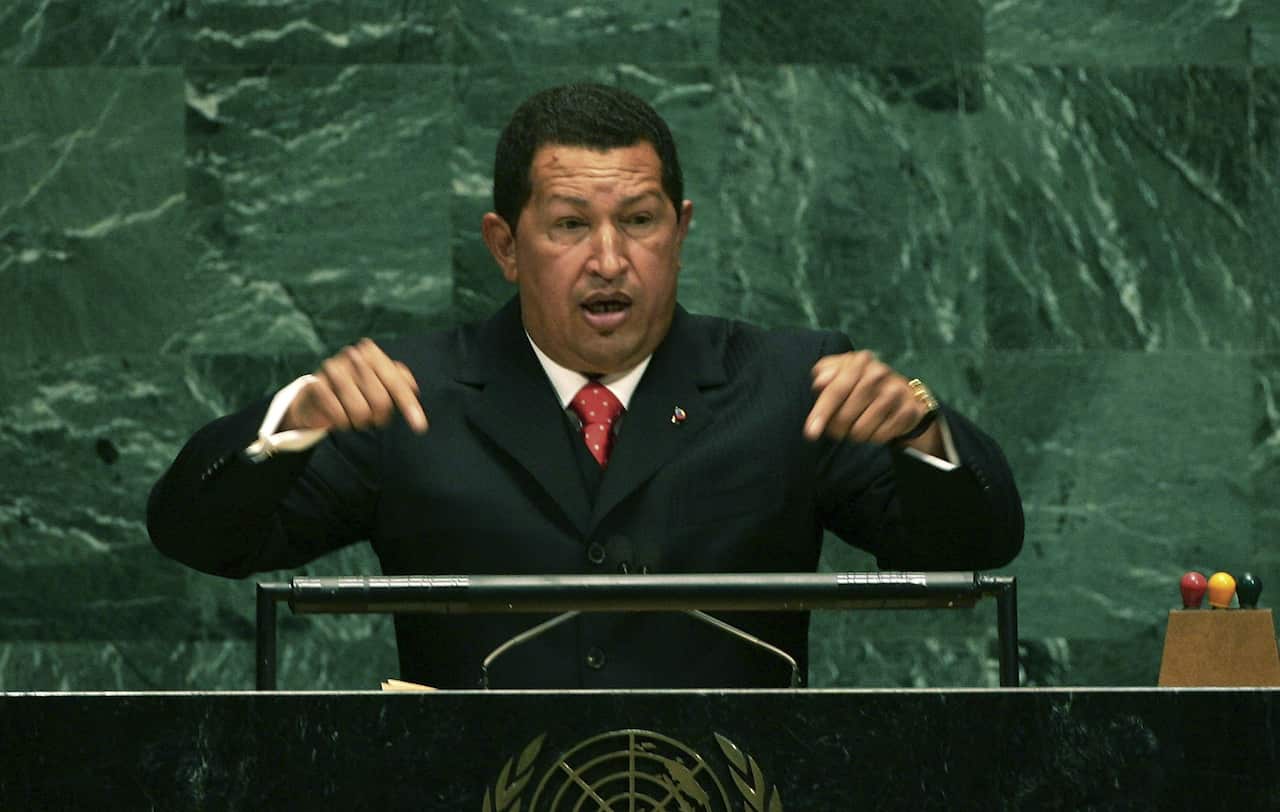
"Yesterday, the devil came here, right here, and it smells of sulphur still today," he said in Spanish.
The comment drew a mixed reaction of laughter, gasps and side-glances. Bush was not in the room, but US officials from both sides of politics widely condemned the remark.
Chávez died from cancer in 2013. His hand-picked successor Nicolás Maduro was captured by US forces during a raid in the capital Caracas in January, before he was taken to the US, where he is awaiting trial for "narco-terrorism".
The Paris climate agreement celebrations
While it was negotiated at the UN Climate Change Conference rather than the UNGA, the Paris Agreement — signed by 195 countries to limit the effects of climate change by cutting greenhouse gases — produced one of the strongest displays of international unity in decades.
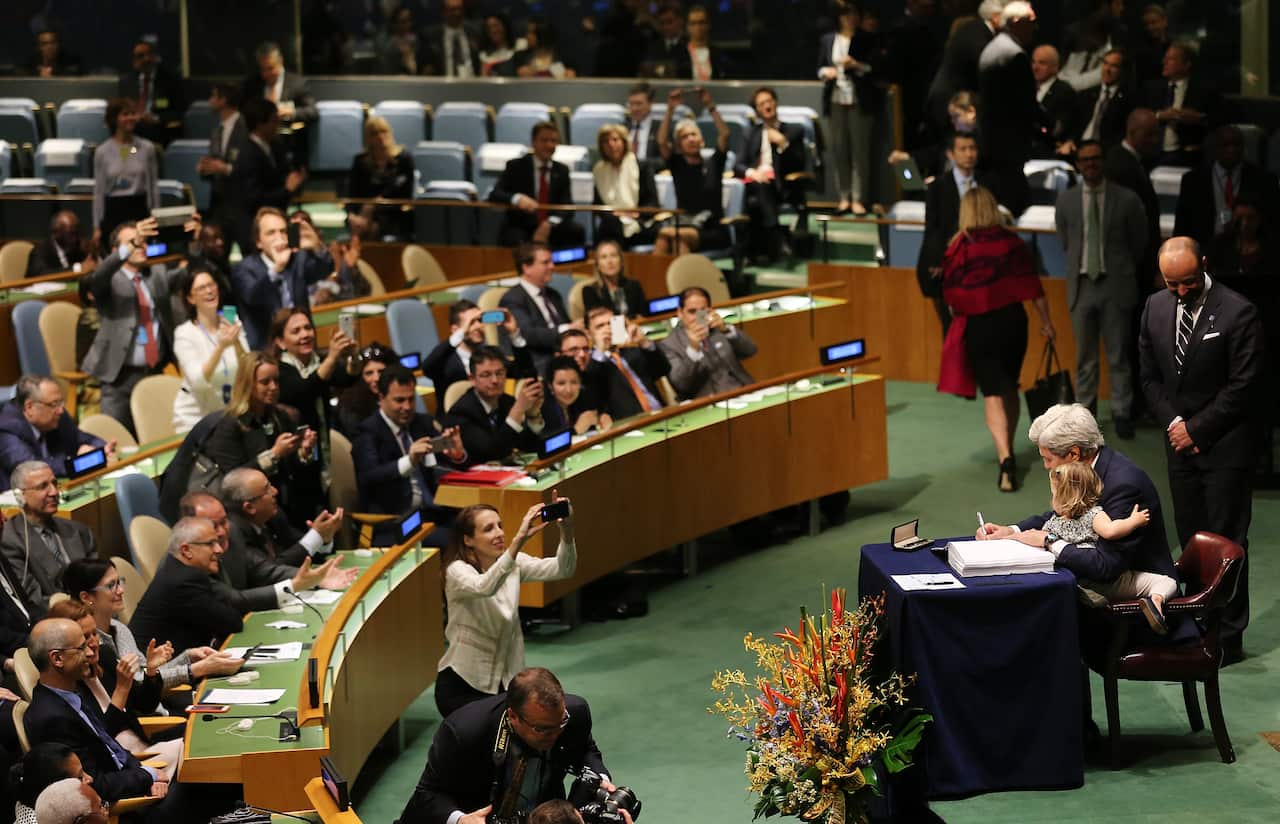
World leaders gathered at the UNGA in 2016 to sign the historic accord, with delegates erupting in applause, hugging and crying.
"Today is an historic day," then UN secretary-general Ban Ki-moon said at the time.
"This is by far the largest number of countries ever to sign an international agreement on a single day."
For the latest from SBS News, download our app and subscribe to our newsletter.







