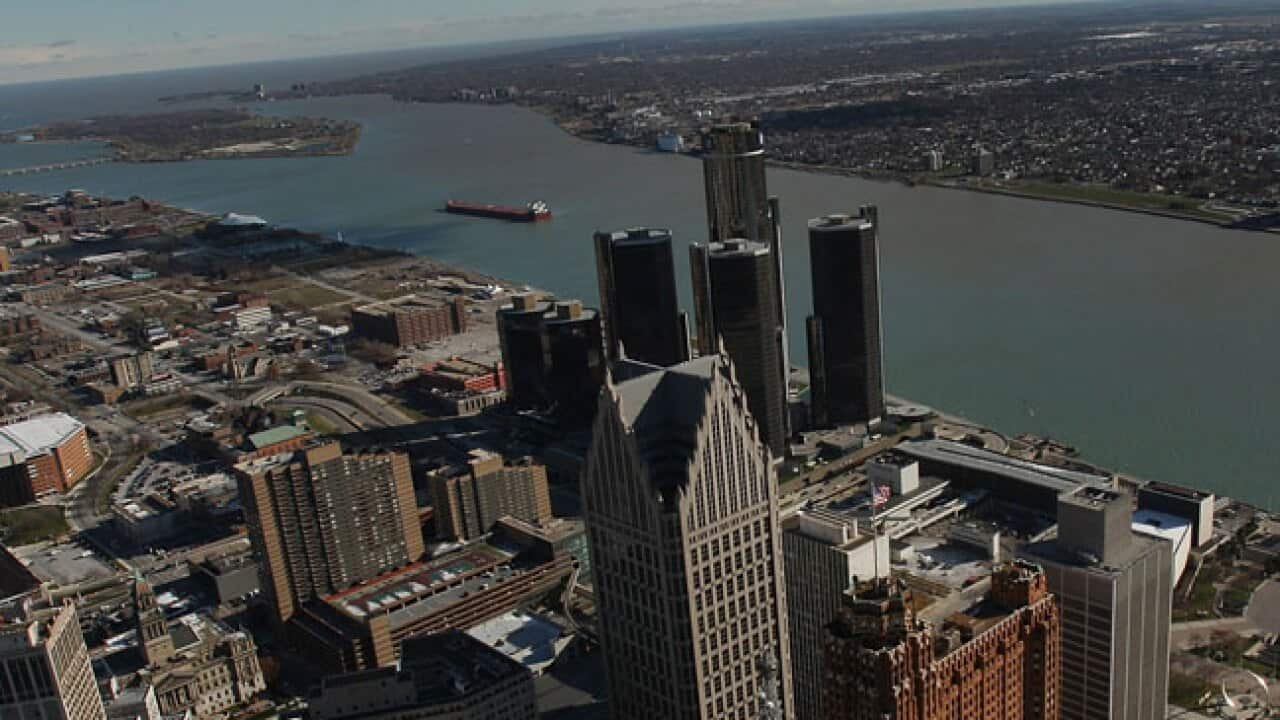
Detroit has become the largest city in US history to file for bankruptcy protection after decades of decline and mismanagement rendered the home of the nation's car industry insolvent.
Once a bustling beacon of industrial might, the city is now a poster child for urban decay, its landscape littered with abandoned skyscrapers, factories and homes.
Crime is rampant, and the city literally cannot afford to keep the lights on - a whopping 40 per cent of streetlights are out.
News that makes sense
Your trusted source for staying up-to-date with the world around you. Get free daily news updates and analysis, straight to your inbox.
Detroit's bankruptcy is expected to make it harder for municipalities in Michigan and other US states to borrow money by undermining confidence in what used to be among the most trusted bonds available.
Michigan Governor Rick Snyder said on Thursday there was no other option.
"This is a difficult step, but the only viable option to address a problem that has been six decades in the making," Snyder said in a press release.
Detroit has seen its population shrink by more than half, from 1.8 million people in 1950 to 700,000 today.
Racial tensions sparked by the civil rights movement - and the devastating 1967 riots - exacerbated white and middle-class flight to the suburbs. Businesses followed suit, further shrinking the tax base.
With less revenue, Detroit had to cut back on services, prompting even more people to leave and eventually sending the city into an economic tailspin.
The Motor City meanwhile saw its main employers go through round after round of mass layoffs as car factories were automated or outsourced and Asian competitors siphoned away market share.
"The citizens of Detroit need and deserve a clear road out of the cycle of ever-decreasing services," Snyder said in a letter accompanying the court filing.
"The only feasible path to a stable and solid Detroit is to file for bankruptcy protection."
Snyder listed a host of problems to illustrate why Detroit cannot meet its obligations to its citizens while weighed down by debt.
The homicide rate is the highest in nearly 40 years and, for more than two decades, Detroit has been on the list of the most dangerous cities in the United States.
People have to wait an average of 58 minutes for the police to respond to their calls, compared with an average of 11 minutes nationwide.
There are 78,000 abandoned buildings scattered across the city and a lack of funds for maintenance and repairs means only a third of the city's ambulances work.
The city has been borrowing money to pay its bills for more than a decade, a short-sighted move that further depleted its coffers.
About 38 cents of every city dollar is going to debt repayment and obligations such as pensions, and that is projected to hit 65 cents on the dollar by 2017.







