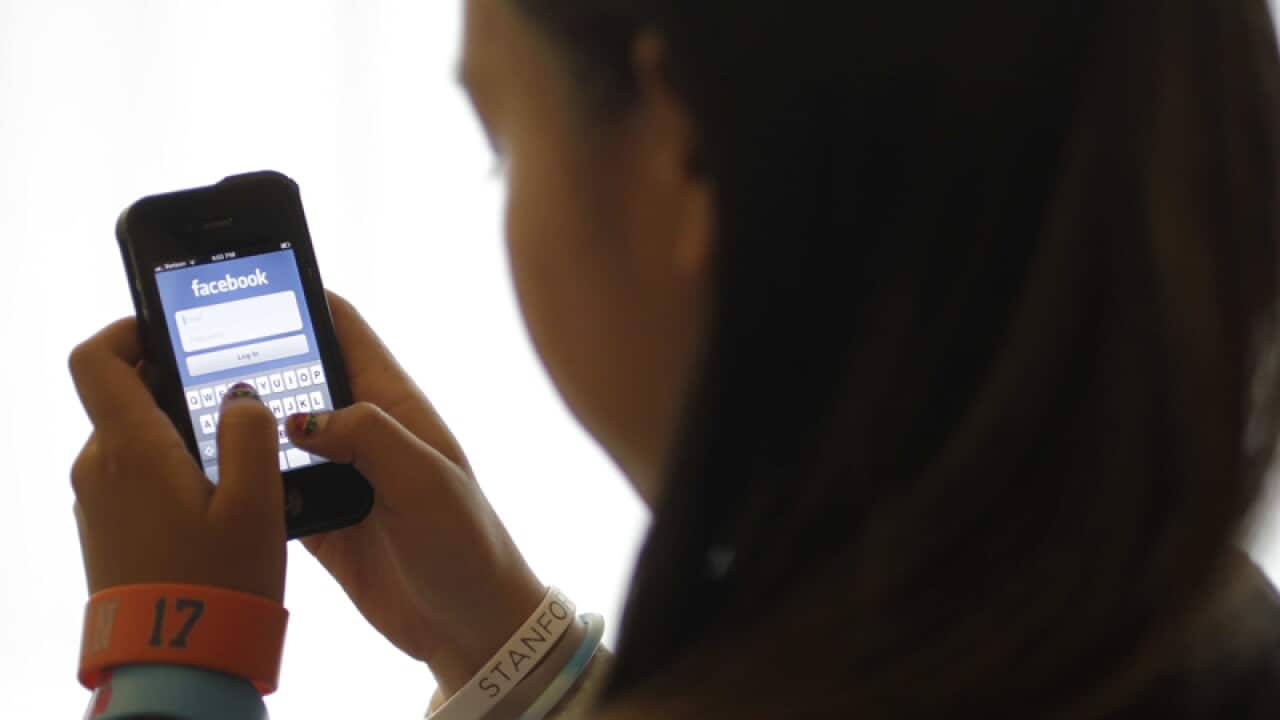
Behold the cascade of baby photos, the flood of funny kid anecdotes and the steady stream of school milestones on Facebook.
It all makes Sonia Rao, a stay-at-home mother of a one-year-old in the US, "a little uncomfortable".
At a time when just about everyone and their mother - father, grandmother and aunt - is intent on publicising the newest generation's early years on social media sites, an increasing number of US parents like Rao are bucking the trend by consciously keeping their children's photos, names and entire identities off the internet.
"I just have a vague discomfort having her photograph out there for anyone to look at," says Rao.
"When you meet a new person and go to their account, you can look them up, look at photos, videos, know that they are travelling."
News that makes sense
Your trusted source for staying up-to-date with the world around you. Get free daily news updates and analysis, straight to your inbox.
Reasons for the baby blackout vary. Some parents have privacy and safety concerns. Others worry about what companies might do with their child's image and personal data. Some simply do it out of respect for their kids' autonomy before they are old enough to make decisions for themselves.
"I have a no tolerance policy," says Scott Steinberg, a business and technology consultant. Steinberg says he shares no photos, videos or any information about his child.
As for Rao, she stays active on Facebook. She's happy posting photos of her dog, but not the many snapshots of her daughter and the pet together - no matter how cute they are. Rao does share baby pictures, via email or text, but only with close friends and family.
Facebook, for its part, encourages parents to use the site's privacy setting if they want to limit who can see baby photos and other posts. It's possible, for example, to create a group of close friends and relatives to share kid updates with. But that's not enough for some users.
A big reason parents are wary, even if they use social media sites themselves, is that the companies "have not been very transparent about the way they collect data about users," says Caroline Knorr, parenting editor at the nonprofit Common Sense Media, which studies children's use of technology.
"Facebook's terms of service and privacy (policies) - no one reads it, it's too obscure."
Some parents look back to their own childhoods, when they were able to make mistakes without evidence of those blunders living on - forever - online.
People have shared baby photos since the dawn of the camera, and stories about kid's shenanigans long before that. Parents who decide to keep photos of their children and other data off social media say they still want to share those things, but are bothered by the idea of online permanence.
Parents who enforce strict blackout rules are still in the minority. In a 2011 poll conducted at the University of Michigan, 66 per cent of Generation X parents (people born in the 1960s and '70s) said they post photos of their children online, while more than half said they have shared news about a child's accomplishment online.
Aisha Sultan, a fellow at the Michigan institute where the poll was conducted, thinks the results might be different if the same questions were posed to respondents today.
"Back (then) there wasn't a lot of conversation about this," says Sultan, who is a parenting advice columnist.
"When parents first started joining Facebook in large numbers it wasn't the primary concern. We felt like we were in control of information we were sharing with friends and family."
Facebook's privacy blunders over the years, not to mention frequent updates to its confusing privacy policies, changed all that. Now, Sultan says, parents are more aware of the little control they have over their personal data online.
Politicians have begun to pay attention to the issue, too. A new California law requires online services, websites or apps that collect personally identifiable information to remove content that minors have posted, if requested. The measure goes into effect next year.
"It's a good start, but I don't think it replaces a lot of parental conversation, regulation and oversight," Sultan says.







