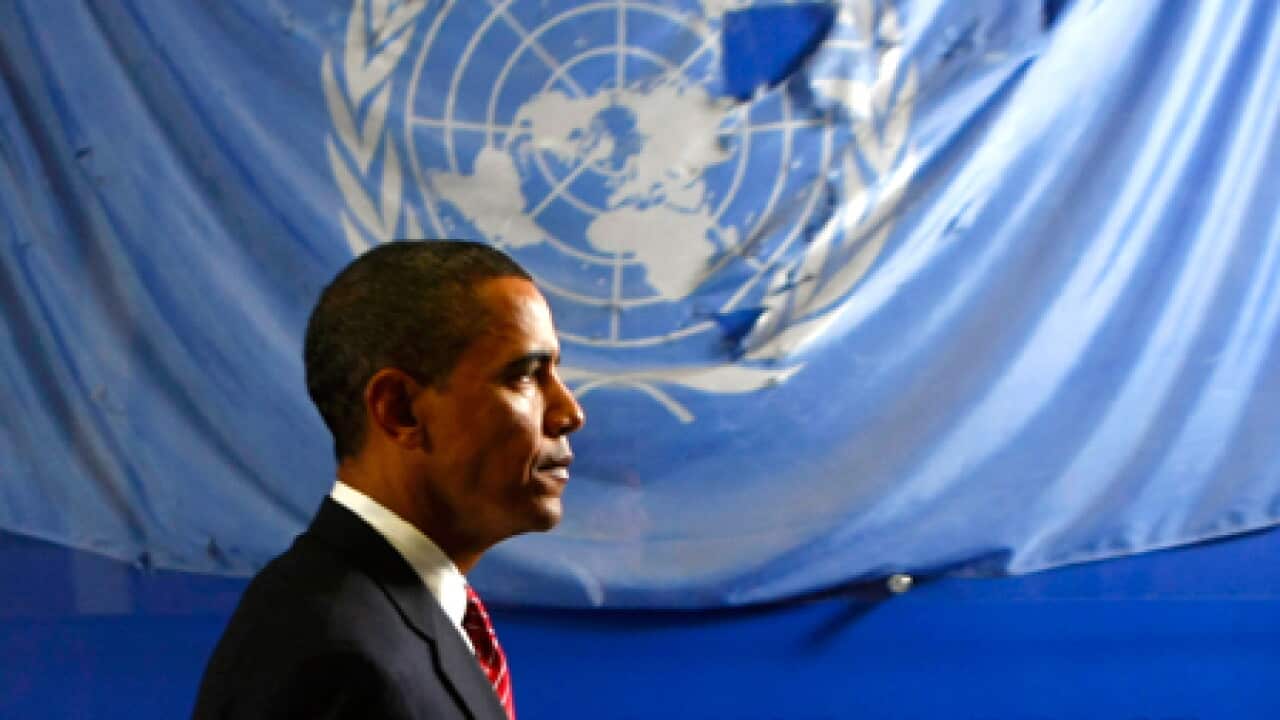
Whistleblower website WikiLeaks on Sunday unleashed a damaging torrent of US diplomatic cables, detailing episodes from a nuclear standoff with Pakistan, to claims the US spied on foreign dignitaries and the United Nations.
The leaked memos describe a Chinese government bid to hack into Google, plans to reunite the Korean peninsula after the North's eventual collapse, and quote Saudi Arabia's king as saying the United States should bomb Iran to halt its nuclear drive, telling it to "cut off the head of the snake."
The confidential cables also reveal how the State Department has ordered diplomats to spy on foreign dignitaries, including obtaining their credit card and frequent flier numbers.
News that makes sense
Your trusted source for staying up-to-date with the world around you. Get free daily news updates and analysis, straight to your inbox.
Kadhafi claims
The memos recount closed-door remarks that could stoke scandal, including Yemen's president telling a top US general: "We'll continue saying the bombs are ours, not yours" when discussing secretive US strikes on al-Qaeda, and a description of Libyan leader Moamer Kadhafi as always being attended by a "voluptuous blonde" Ukrainian nurse.
The New York Times, The Guardian, Germany's Der Spiegel, France's Le Monde and Spain's El Pais released the first batch of the documents on Sunday, saying more would follow in the coming days.
The whistleblower website's chief Julian Assange described the release as a "diplomatic history of the United States" that would cover "every major issue" as governments braced for damaging revelations.
WikiLeaks started publishing the 251,287 cables -- 15,652 of which are "classified" -- from 274 US embassies around the world, on its own website http://cablegate.wikileaks.org.
In an introduction, it paints the United States as a hypocritical superpower and attacks "the contradictions between the US's public persona and what it says behind closed doors.
US 'turning a blind eye'
"The cables show the extent of US spying on its allies and the UN; turning a blind eye to corruption and human rights abuse in 'client states'; backroom deals with supposedly neutral countries; lobbying for US corporations; and the measures US diplomats take to advance those who have access to them."
The White House hit back, saying the release was a "reckless and dangerous action" that put lives in danger.
"To be clear -- such disclosures put at risk our diplomats, intelligence professionals, and people around the world who come to the United States for assistance in promoting democracy and open government," White House press secretary Robert Gibbs said in a statement.
The Pentagon, which was infuriated by the website's publication of secret Afghanistan and Iraq war logs earlier this year, also condemned the latest, more explosive release and unveiled new steps designed to prevent future disclosures.
US officials in recent days had raced to contain the fallout by warning more than a dozen countries of the impending leaks.
WikiLeaks 'putting lives at risk'
On Saturday Washington ruled out negotiating with WikiLeaks, saying it possessed the cables in violation of US law.
Assange has denied the planned release placed individuals at risk.
"As far as we are aware, and as far as anyone has ever alleged in any credible manner whatsoever, no single individual has ever come to harm as a result of anything that we have ever published," he said Sunday.
The New York Times explained its decision to publish the cables by saying they "serve an important public interest."
The newspaper said it had "taken care to exclude... information that would endanger confidential informants or compromise national security."
It said it had notified White House officials of the cables and asked if other information should be redacted, adding that it "agreed to some, but not all" of their suggestions.
The Guardian said all five papers had decided "neither to 'dump' the entire dataset into the public domain, nor to publish names that would endanger innocent individuals."
Former agent under suspicion
US officials have not confirmed the source of the leaks, but suspicion has fallen on Bradley Manning, a former army intelligence agent arrested after the release of a video showing air strikes that killed reporters in Iraq.
WikiLeaks argues that the first two document dumps -- nearly 500,000 US military incident reports from 2004 to 2009 -- shed light on the wars in Afghanistan and Iraq.
Sweden recently issued an international warrant for Assange's arrest, saying he is wanted for questioning over allegations of rape and sexual molestation.
At least one senior US Republican congressman has called for Assange to be prosecuted and for WikiLeaks to be declared a "terrorist organization."







